Typhoon Haiyan: A Historical Overview
2013 · Tacloban, Philippines
Typhoon Haiyan, one of the most powerful tropical cyclones ever recorded, made landfall in the Philippines, causing widespread devastation and loss of life.
July 12, 2014
Typhoon Rammasun, the strongest typhoon to hit the Philippines in 2014, makes landfall, causing widespread damage.
Legazpi, Philippines | Philippine Atmospheric, Geophysical and Astronomical Services Administration
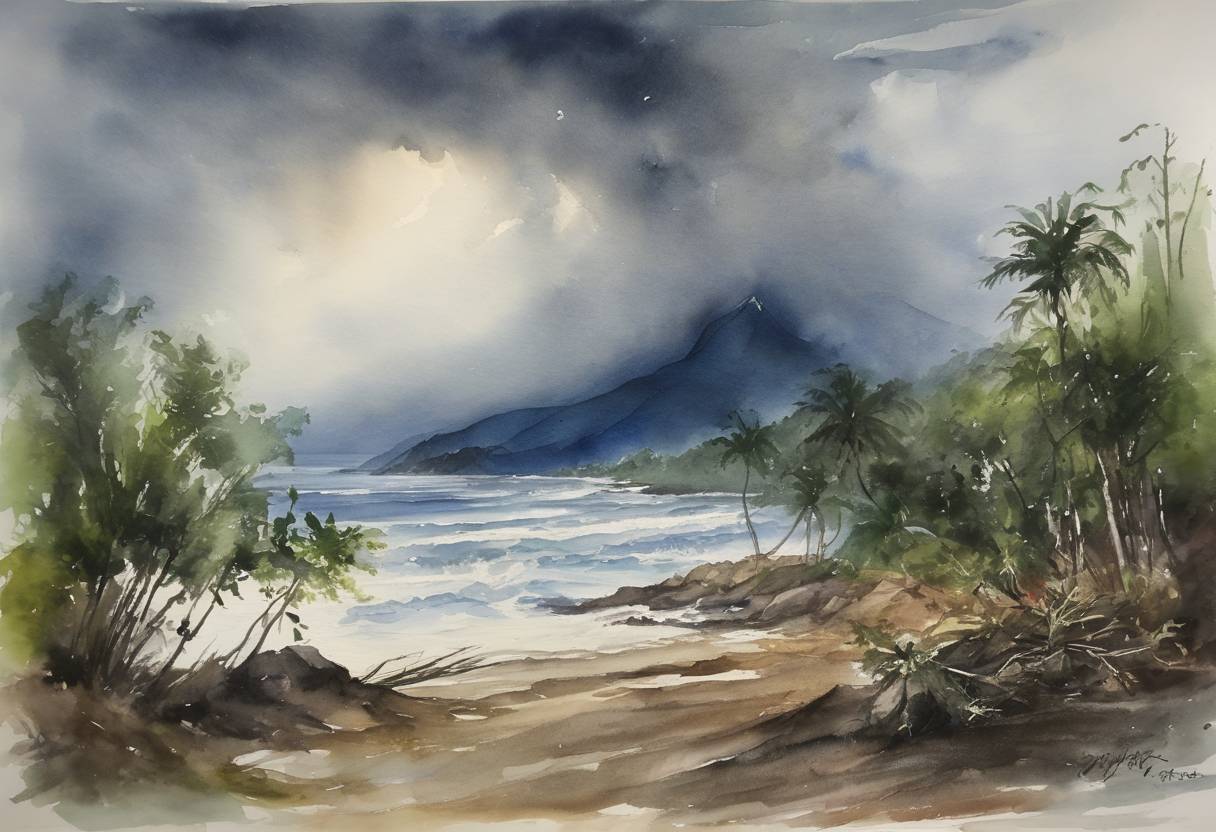
Typhoon Rammasun, known in the Philippines as Typhoon Glenda, was the first typhoon to make landfall in the country during the 2014 Pacific typhoon season. It struck with significant force on July 15, 2014, rather than July 12, with its impact deeply felt on July 16, as it crossed the archipelago.
Typhoon Rammasun formed as a tropical depression on July 9, 2014, over the Pacific Ocean. It steadily gained strength as it moved westward, developing into a typhoon by July 15. By the time it made landfall in the Philippines later that day, it had intensified into a strong Category 3 typhoon with winds reaching up to 185 kilometers per hour (115 mph).
Typhoon Rammasun caused extensive damage across the central and southern parts of Luzon.
The Philippines conducted extensive relief operations in response to the devastation:
Typhoon Rammasun was a significant event within the context of increasing natural disasters affecting the Philippines. As one of the most disaster-prone countries in the world, this typhoon underscored ongoing vulnerabilities and the critical need for effective disaster preparedness and climate resilience strategies.
The impact of Rammasun served as a poignant reminder of the resilience required by the Filipino people in the face of such natural challenges, and it highlighted the importance of international cooperation in disaster relief efforts.
Source: reliefweb.int