Deployment of Additional U.S. Troops to the Middle East - June 20, 2019
2019 · Washington, D.C., United States
The United States announces the deployment of 1,000 additional troops to the Middle East amid tensions with Iran.
February 2, 2022
The United States announced it would deploy additional troops to Eastern Europe amid rising tensions with Russia over the Ukraine border situation, seeking to reinforce NATO allies in the region.
Washington D.C., United States | United States Department of Defense
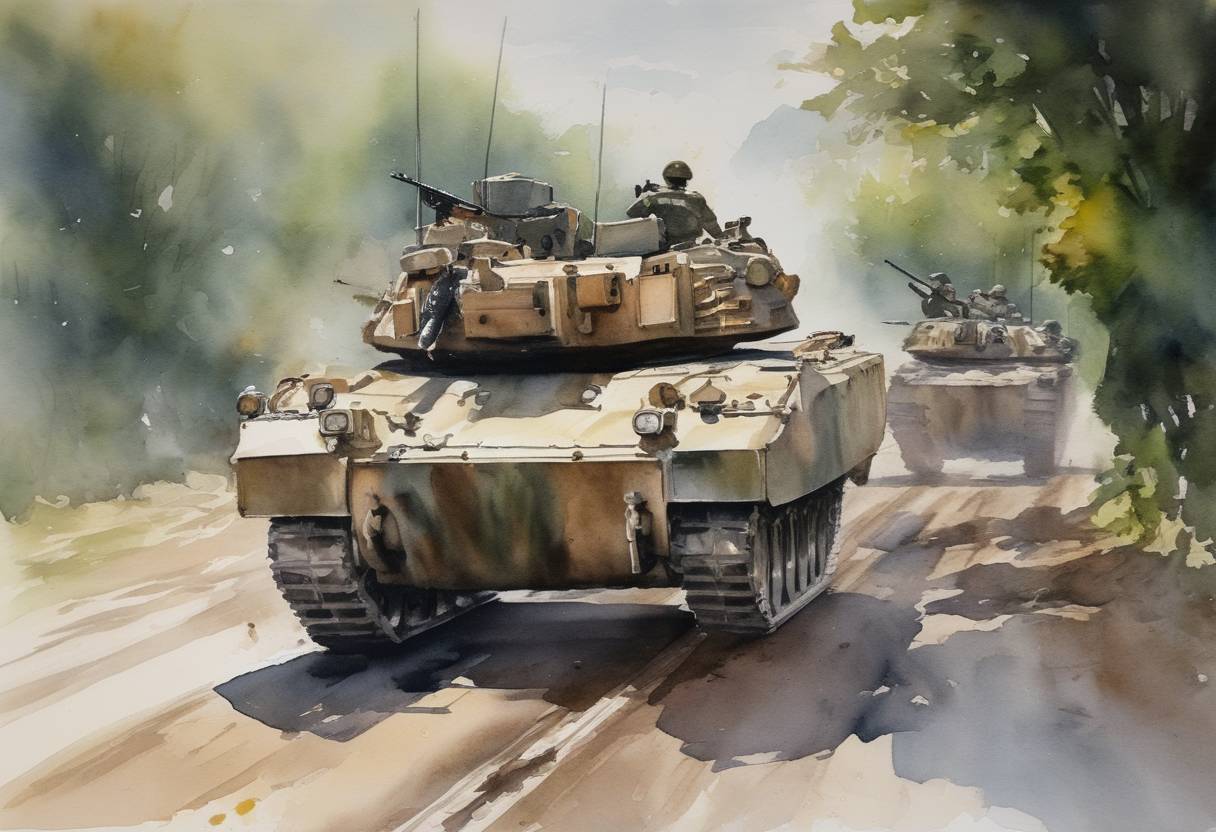
On February 2, 2022, the United States announced its decision to deploy additional troops to Eastern Europe. This strategic move was part of an effort to bolster NATO allies amidst escalating tensions with Russia concerning its military buildup along Ukraine’s border.
In the months preceding this announcement, Russia had amassed a significant number of troops and military equipment near the Ukrainian border. This military buildup triggered widespread international concern over a potential Russian invasion of Ukraine, reminiscent of the 2014 situation that led to the annexation of Crimea. NATO and Western allies were keen to deter further Russian aggression and reassure Eastern European member states of their security commitments.
The Pentagon confirmed that roughly 3,000 U.S. troops would be sent to Eastern Europe. This deployment involved sending approximately:
These movements were intended as a clear signal of the U.S. commitment to NATO’s Collective Defense Clause (Article 5), ensuring that an attack against one member is considered an attack against all.
The deployment underscored the geopolitical rift between NATO allies and Russia, a continuation of tensions post-Cold War. It highlighted ongoing concerns about European security and the international legal norms concerning sovereignty and territorial integrity.
The U.S. troop deployment was also symbolic, further intensifying the diplomatic and military dialogues intended to de-escalate the situation without resorting to military conflict. As diplomatic efforts continued, this display of military readiness played a critical role in the multi-faceted approach to managing Russia’s ambitions in the region.
While the deployment did not immediately resolve the tense situation, it reassured Eastern European countries of NATO’s defensive readiness and commitment. This decision to increase troop presence in Eastern Europe was part of broader diplomatic and economic strategies, including sanctions and dialogues, aimed at curbing Russian aggression.
In the weeks following the deployment, diplomatic engagements continued in an effort to find a peaceful resolution to the crisis, while still maintaining military vigilance in the region.
Source: www.nytimes.com