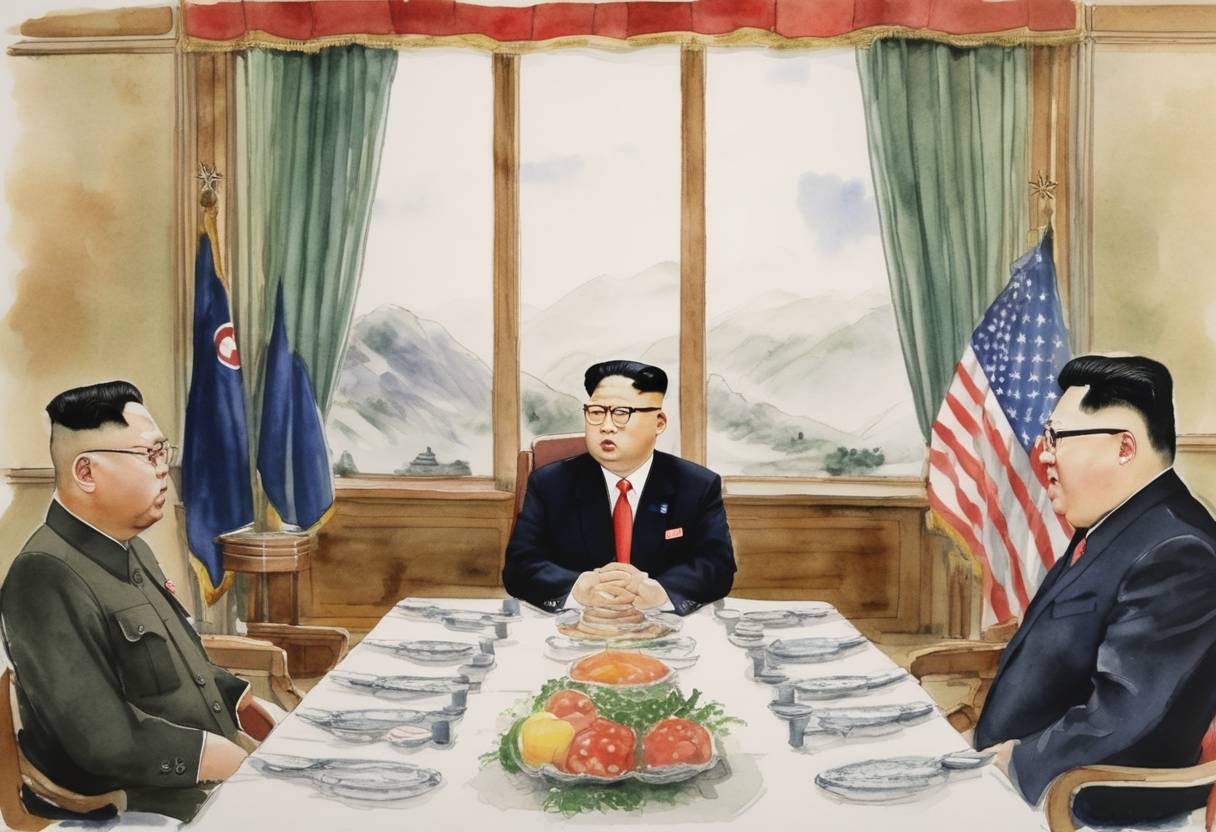
August 15, 1995: U.S.-North Korea Food Aid Agreement
On August 15, 1995, a significant development occurred in U.S.-North Korea relations as both nations reached an agreement centered around food aid and nuclear non-proliferation assurances. This accord was part of a broader diplomatic strategy following the earlier Agreed Framework of October 1994.
Background Context
The 1995 agreement emerged against a backdrop of escalating tensions over North Korea’s nuclear program. North Korea’s pursuit of nuclear capabilities had garnered international concern, particularly from the United States and its allies, leading to diplomatic efforts to curb these ambitions.
The previous year, the Agreed Framework was established, wherein North Korea agreed to freeze its illicit plutonium weapons program in exchange for two light water reactors and a supply of heavy fuel oil. However, ongoing challenges persisted, particularly concerning North Korea’s food security and economic hardship.
Key Aspects of the Agreement
Food Aid: The United States pledged to provide food aid to North Korea. This was a response to worsening food shortages in North Korea, where natural disasters and systemic economic issues had led to a significant famine that affected millions.
Nuclear Non-Proliferation Assurances: In return for the aid, North Korea reiterated its commitment to adhere to nuclear non-proliferation measures. This included maintaining a freeze on their existing nuclear program and allowing inspections to ensure compliance.
Significance and Aftermath
The August 1995 agreement was part of a continuing series of diplomatic engagements aimed at defusing tensions on the Korean Peninsula. It showcased a pragmatic approach by the U.S., balancing humanitarian assistance with strategic security interests.
While the food aid provided temporary relief to North Korea, the broader issues surrounding its nuclear ambitions would continue to be a focal point of international diplomacy well into the 21st century. Subsequent events would underscore the fragile nature of agreements with North Korea, as nuclear and missile tests in later years would challenge the commitments made in these accords.
The developments around this agreement underscored the complex interplay between humanitarian needs and geopolitical strategy during the post-Cold War era, highlighting the intricate dynamics of U.S.-North Korea relations.