The Ratification of the Treaty of Guadalupe Hidalgo: May 19, 1848
1848 · Mexico City, Mexico
Mexico ratified the Treaty of Guadalupe Hidalgo, ending the Mexican-American War and ceding large territories to the United States.
November 10, 1821
The Treaty of Córdoba, which established Mexican independence from Spain, was signed by the last viceroy of New Spain, Juan O'Donojú and Agustín de Iturbide.
Córdoba, Mexico
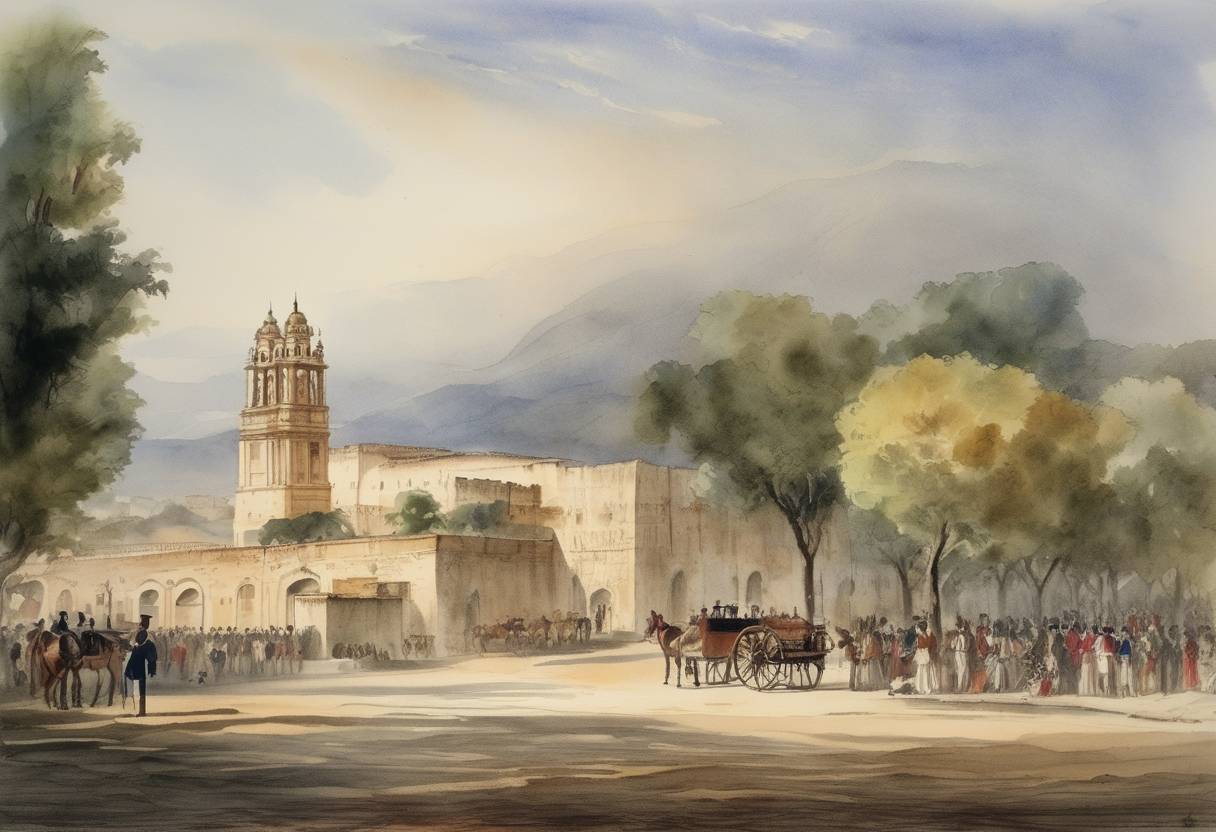
The Treaty of Córdoba was signed on August 24, 1821, in Córdoba, Veracruz, Mexico. This document marked a pivotal moment in history as it established Mexican independence from Spanish rule, concluding over a decade of conflict and struggle during the Mexican War of Independence.
Juan O’Donojú: The last viceroy of New Spain, O’Donojú arrived in Mexico in 1821 and faced a rapidly changing political landscape. Although appointed by Spain, O’Donojú acknowledged the untenable position of the Spanish authority in Mexico and opted to negotiate peace rather than continue conflict.
Agustín de Iturbide: A former royalist officer turned leader of the independence movement, Iturbide played a crucial role in negotiating the terms of the treaty. He envisioned a constitutional monarchy with himself as a key leader of the new independent Mexico.
Mexico’s fight for independence began in 1810, led by figures such as Miguel Hidalgo and José María Morelos. After years of intermittent fighting, political instability in Spain and the rise of Iturbide’s Plan of Iguala set the stage for negotiations. Iturbide’s plan called for three main guarantees: independence from Spain, Catholicism as the nation’s religion, and equality for all social and ethnic groups.
The Treaty of Córdoba consisted of 17 articles addressing the transition of power:
The treaty effectively acknowledged the sovereignty of the Mexican state and facilitated the formal withdrawal of Spanish troops.
The Treaty of Córdoba allowed for a relatively peaceful transition to Mexican independence. It led to the creation of the Mexican Empire and shortly after, on September 27, 1821, the official entrance of Iturbide into Mexico City, symbolizing definitive liberation from colonial rule. Spain, however, did not formally recognize Mexico’s independence until 1836.
The treaty’s provisions were significant as they laid the groundwork for Mexico’s constitutional development, although the initial monarchical aspirations quickly gave way to a republican form of government.
The signing of the Treaty of Córdoba represents a decisive end to Spanish colonial rule in Mexico. It set a precedent for other Latin American nations seeking independence and marked a fundamental transformation in the Western Hemisphere’s political landscape during the 19th century. The treaty is a cornerstone in the history of Mexican sovereignty and national identity.
Source: en.wikipedia.org