1564 · Stratford-upon-Avon, England
William Shakespeare is baptized in Stratford-upon-Avon, England. He would become one of the most influential playwrights and poets in the English language.
February 26, 1564
Christopher Marlowe, an English playwright and poet of the Elizabethan era, is baptized.
Canterbury, England | The Church of England
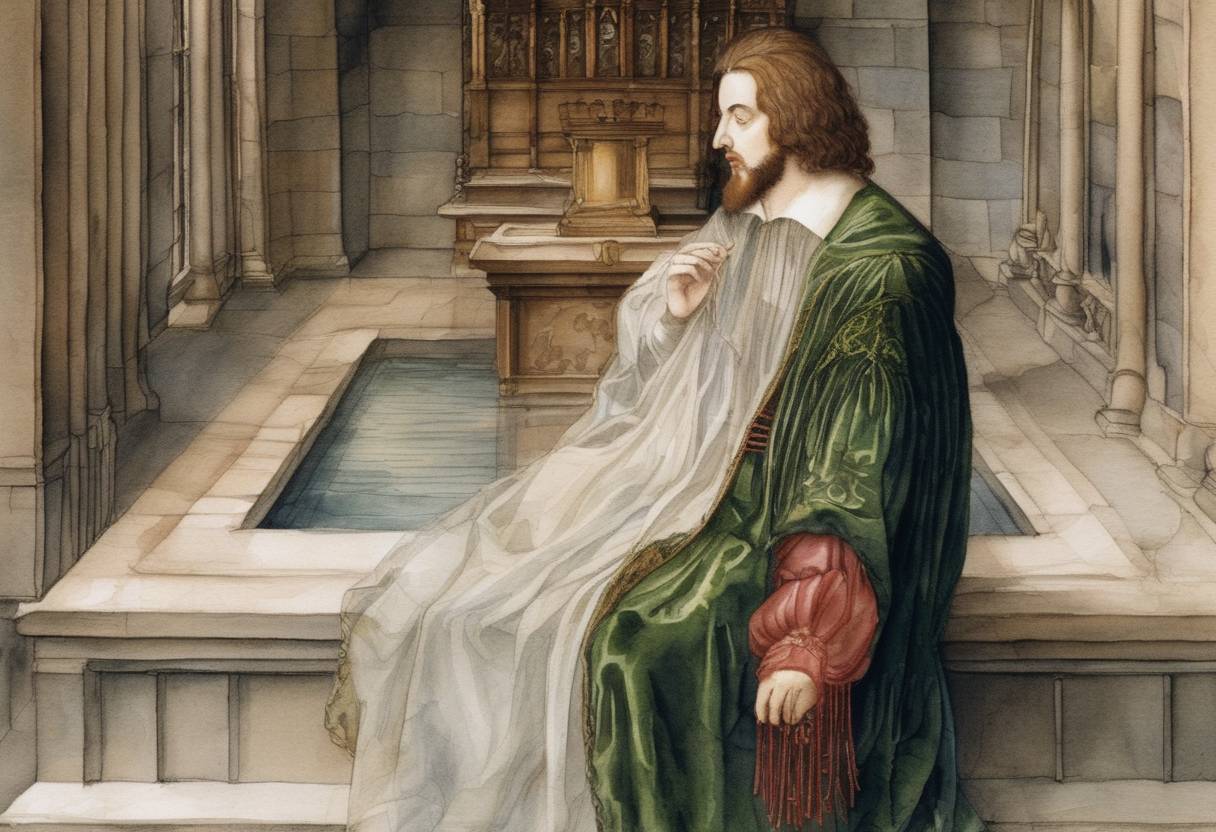
Christopher Marlowe, one of the most prominent figures in English literature, was baptized on February 26, 1564, in Canterbury, England. Marlowe’s baptism signified the entry of a significant contributor to the Elizabethan theatre and the broader English Renaissance into the records of history.
Marlowe was born in Canterbury to John Marlowe, a shoemaker, and his wife, Katherine. The exact date of his birth is unknown, but it is customary in this period to baptize infants shortly after birth, suggesting he was born in late February 1564. Raised in a modest cultural and economic environment, Marlowe’s early life in church-governed Canterbury might have significantly influenced his later works, which often include themes of religion and authority.
Marlowe’s outstanding academic performance at The King’s School in Canterbury earned him a scholarship to study at Corpus Christi College, Cambridge, where he received his Bachelor of Arts degree in 1584. It was here that he not only deepened his knowledge of the classics but also fostered his skills in poetry and drama. Marlowe’s Cambridge education endowed him with a unique intellectual toolkit that he later used to craft his seminal works.
Christopher Marlowe was a pioneering force in the development of English drama. His works are known for their blank verse, overreaching protagonists, and engagement with themes of ambition and power. His most famous plays, including “Tamburlaine” (published in 1590), “Doctor Faustus” (1604, published posthumously), and “The Jew of Malta” (1633, also published posthumously), challenged contemporary norms and laid the groundwork for future playwrights, such as William Shakespeare.
Marlowe’s influence on English literature is profound. He is credited with popularizing the use of blank verse in drama and inspiring subsequent generations of writers. His works continue to be studied for their innovative use of language and exploration of controversial subjects. Despite his untimely death at the young age of 29 under mysterious circumstances in 1593, Marlowe’s legacy endures, marking him as a key figure in the cultural renaissance of Elizabethan England.
Source: www.britannica.com