North Korea's First Successful ICBM Test on July 4, 2017
2017 · Pyongyang, North Korea
North Korea conducted its first successful test of an intercontinental ballistic missile (ICBM), claiming it could reach the United States.
October 18, 2022
A South Korean ballistic missile successfully hit a target in half the maximum range capability in a test near the coast, conducted amid heightened tensions on the Korean Peninsula, with North Korea frequently testing its own missile systems.
Seoul, South Korea | Ministry of National Defense of South Korea
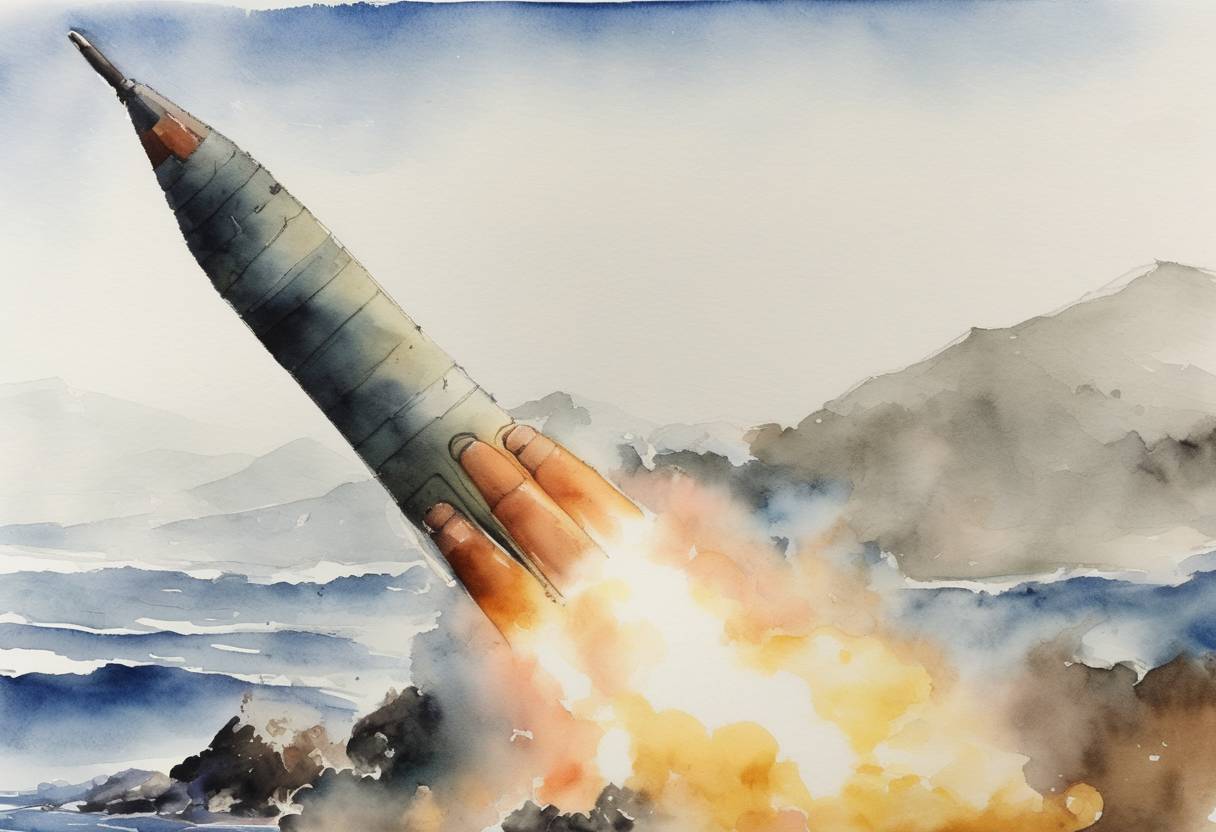
On October 18, 2022, South Korea successfully conducted a test of a domestically developed ballistic missile, demonstrating its capabilities to hit a target at half the maximum range. This test took place near the coast, amid heightened tensions on the Korean Peninsula. The event was part of a broader effort by South Korea to enhance its self-defense capabilities, particularly in response to North Korea’s frequent missile tests.
Heightened Tensions: The Korean Peninsula has experienced ongoing security challenges, with North Korea conducting numerous missile tests, citing the need to defend against perceived threats from South Korea and its allies, especially the United States.
Military Advancement: In response to the North’s activities, South Korea has been actively developing and testing its missile technology to ensure credible deterrence and retaliatory capabilities.
Missile Specifications: While specific types and capabilities of the missile were not disclosed in-depth, it was noted to be a significant part of South Korea’s growing arsenal intended for long-range precision strikes.
Trajectory and Range: The test demonstrated the missile’s ability to accurately strike a designated target at half its potential range, showcasing effective operational capability under controlled conditions.
Deterrence Enhancement: The successful test underscored South Korea’s intention to maintain a robust deterrent against potential aggression, particularly amid North Korea’s persistent advancements in missile technology.
Regional Stability: This event occurs in a delicate geopolitical environment, where actions by regional actors contribute to the ongoing discourse on security and stability in East Asia.
The event marked a moment in the ongoing arms race dynamics between the North and the South. It highlighted the difficulties of achieving long-term peace and denuclearization on the Korean Peninsula. As both Koreas continue to develop their military capacities, the risk of miscalculation or escalation remains a critical concern for neighboring countries and the wider international community.
Source: www.koreaherald.com