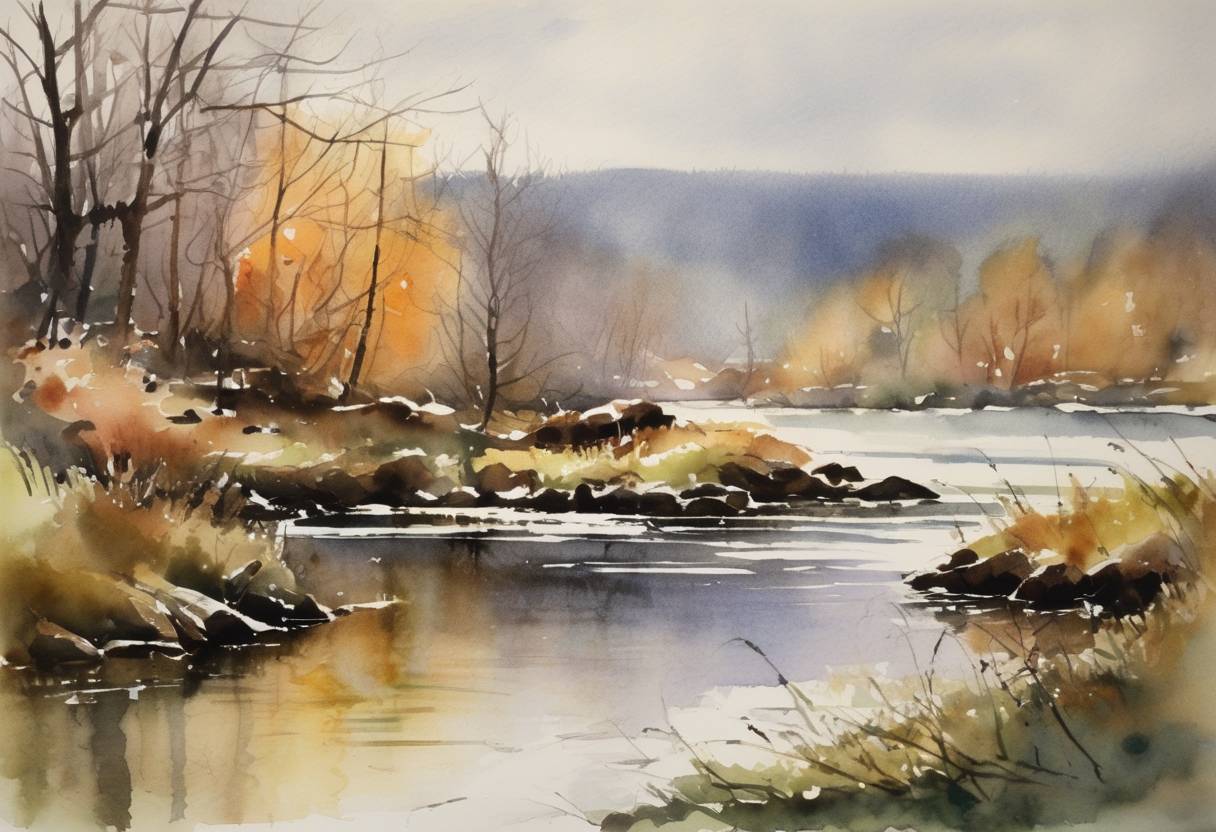
Publication of “Silent Spring”
On September 27, 1962, Rachel Carson’s revolutionary book “Silent Spring” was published, marking a pivotal moment in the environmental movement. Carson, a marine biologist and talented writer, highlighted the dangers of indiscriminate pesticide use, particularly focusing on the effects of DDT.
Context and Background
- Post-WWII Era: The widespread use of synthetic pesticides increased dramatically following World War II. DDT, discovered in the late 19th century, emerged as a highly effective pesticide during the war and gained popularity among farmers and government programs.
- Environmental Concerns: Carson began to notice the impact of pesticides on wildlife and human health through her own research and reports by colleagues and other scientists.
Contents of “Silent Spring”
- Impact on Ecosystems: Carson documented the detrimental effects of pesticides on birds and other wildlife, suggesting a future where the spring season would be silent due to the absence of bird songs.
- Human Health Risks: The book raised awareness about the potential human health risks caused by the accumulation of chemicals in the food chain.
- Scientific Evidence and Public Awareness: Carson meticulously detailed scientific studies and used eloquent prose to make a compelling case, making the book accessible to the general public and policymakers.
- Public Reaction: “Silent Spring” sparked widespread public concern and debate about the use of pesticides and the need for regulatory measures. It challenged the practices of agricultural scientists and the government, pushing for more responsible and informed use of chemicals.
- Policy Changes: The book’s influence was instrumental in the eventual establishment of the U.S. Environmental Protection Agency in 1970 and the subsequent nationwide ban on DDT for agricultural use in 1972.
- Legacy: “Silent Spring” is credited with advancing the global environmental movement, inspiring future generations to advocate for ecological health and sustainability.
Broader Historical Significance
Rachel Carson’s “Silent Spring” remains a seminal work that transformed public perception of environmental issues, highlighting the interconnectedness of human and ecological health. Its legacy endures in ongoing environmental policy discussions and advocacy efforts worldwide.