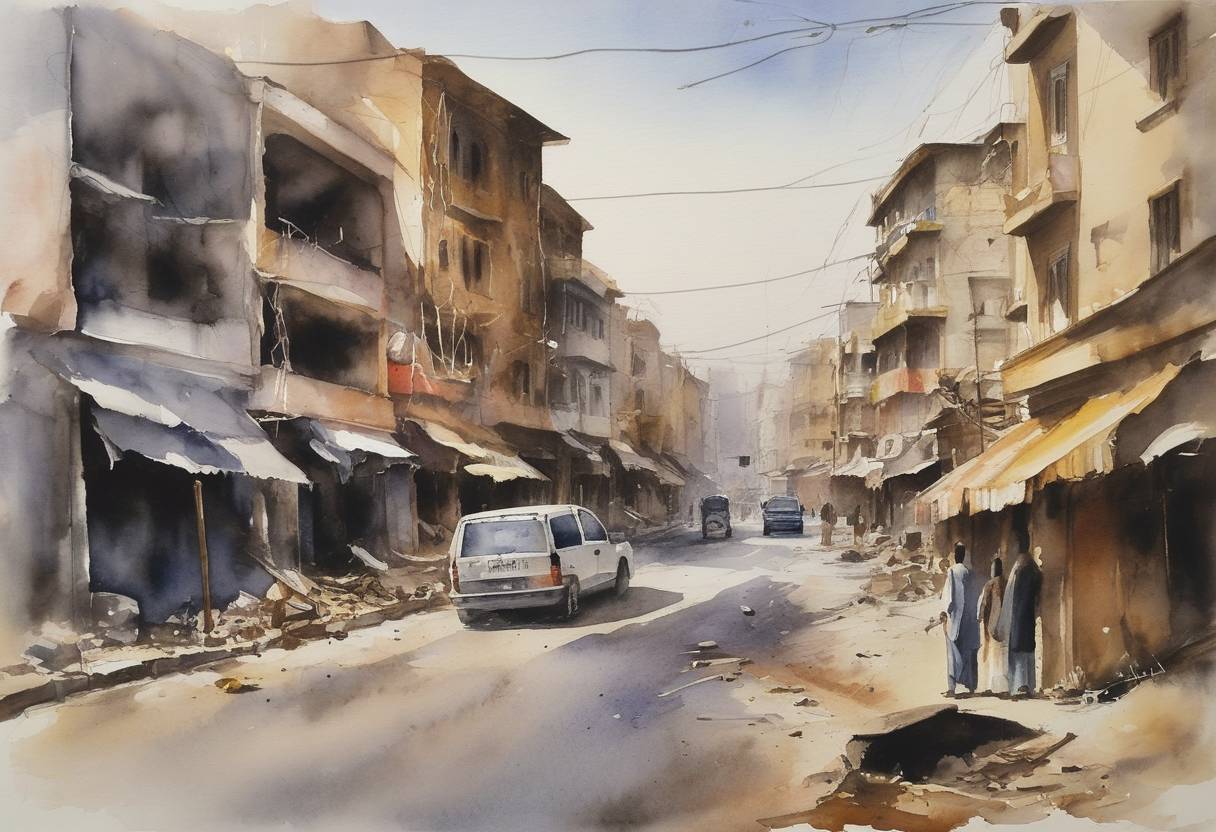
Suicide Bombings in Rawalpindi on September 4, 2007
On September 4, 2007, the Pakistani city of Rawalpindi was shaken by a series of coordinated suicide bombings that claimed at least 25 lives. The attacks targeted areas with a heavy presence of military and defense personnel, highlighting the vulnerabilities within the country’s security infrastructure and escalating the ongoing conflict with militant groups.
Context and Background
In the early 2000s, Pakistan faced rising tensions with extremist groups operating within its borders, often linked to the ongoing conflict in Afghanistan. The country was a pivotal ally of the United States in the war on terror, leading to military operations against insurgent strongholds within its territory. This commitment made Pakistan a target for retaliatory attacks from militant groups opposed to its government and its cooperation with Western powers.
Details of the Attacks
Location and Targets: The bombings occurred near high-security zones in Rawalpindi, specifically targeting locations frequented by Ministry of Defence employees. The city is a garrison hub and houses the headquarters of the Pakistani Army, making it a strategic target for causing maximum disruption.
Casualties: The death toll reached at least 25, including many Ministry of Defence employees and military personnel. Numerous others were injured, some critically, amplifying the tragedy and strain on medical services.
Responsibility: Although no group immediately claimed responsibility, such attacks were typically associated with militant networks operating in Pakistan, including those affiliated with the Taliban or Al-Qaeda.
Aftermath and Response
The bombings underscored the severe security challenges facing the Pakistani government. In response, authorities tightened security measures, increasing military and police presence in potential target areas. The attack provoked widespread condemnation and underscored the need for enhanced intelligence and counterterrorism strategies.
Broader Impact
The Rawalpindi bombings of September 2007 were part of a series of violent incidents that plagued Pakistan during this period, illustrating the deep-seated challenges of extremism and the complex socio-political landscape. The attacks further strained the relationship between the civilian population and the state and highlighted the ongoing threat posed by militant activities in the region.
These events were a critical point in Pakistan’s ongoing battle with insurgency and set the stage for future policy developments aimed at curbing domestic terrorism. The continued threat necessitated international cooperation and extensive internal reform, emphasizing the global dimensions of Pakistan’s security concerns.