Saint Kitts and Nevis Gains Independence from the United Kingdom
1983 · Basseterre, Saint Kitts and Nevis
Saint Kitts and Nevis gains independence from the United Kingdom.
September 23, 1983
Saint Kitts and Nevis gained independence from the United Kingdom, becoming the newest nation in the world at that time.
Basseterre, Saint Kitts and Nevis | Government of Saint Kitts and Nevis
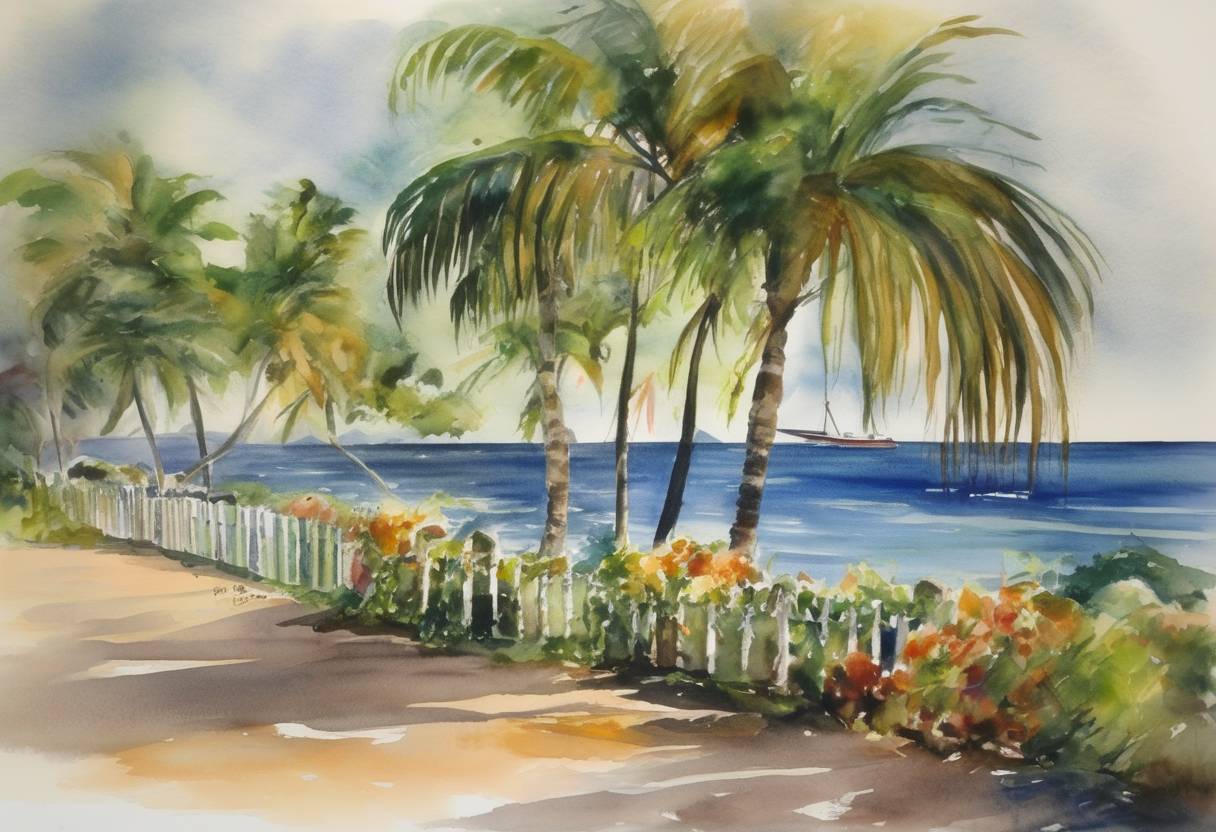
On September 23, 1983, Saint Kitts and Nevis declared its independence from the United Kingdom, marking a significant milestone as it became the newest sovereign nation in the world at that time. This small Caribbean country, comprised of the islands of Saint Kitts and Nevis, entered this new chapter as the world’s youngest nation after centuries of colonial rule.
Saint Kitts and Nevis have a lengthy history of European colonization. The islands were first settled by the English and French in the early 17th century. Saint Kitts was colonized by the English in 1623, while Nevis followed in 1628. Saint Kitts, in particular, was one of the earliest English colonies in the Caribbean, often referred to as the “Mother Colony” of the West Indies.
Over the next several centuries, Saint Kitts and Nevis changed hands multiple times between the British and the French due to colonial conflicts, ultimately falling under British control. In 1882, they were united with Anguilla, forming a British dependency known as Saint Christopher-Nevis-Anguilla. This association lasted until 1980, when Anguilla seceded following its own struggles for autonomy.
Following the wave of decolonization after World War II, the Caribbean islands began to gain increased self-government. Saint Kitts and Nevis achieved associated statehood with the United Kingdom in 1967, granting them full control over internal affairs while the UK retained responsibility for defense and foreign relations.
The move towards full independence was driven by growing nationalist sentiments and the efforts of local leaders. In the early 1980s, Premier Kennedy Simmonds spearheaded the drive for full sovereignty. As leader of the People’s Action Movement, Simmonds played a pivotal role in negotiating the terms of independence.
On September 23, 1983, the islands celebrated their newfound status with a formal independence ceremony. This event featured the lowering of the British flag and the hoisting of the new national flag of Saint Kitts and Nevis. The ceremony was attended by various regional and international dignitaries, marking the official transition to an independent constitutional monarchy with Queen Elizabeth II as the ceremonial head of state, represented by a governor-general.
The independence of Saint Kitts and Nevis was a significant step in the broader Caribbean post-colonial narrative. This newfound autonomy allowed the nation to develop policies tailored to its socio-economic needs and forge its path on the international stage. Kenneth Simmonds became the first Prime Minister of Saint Kitts and Nevis, heading the initial government of an independent nation.
As a member of the Commonwealth of Nations, Saint Kitts and Nevis has since engaged in diplomatic relations and participated in numerous international organizations. Independence has allowed the islands to bolster their tourism-driven economy and cultural heritage, contributing to their current status as a vibrant and resilient nation.
The story of Saint Kitts and Nevis’s independence exemplifies the broad historical movements of decolonization and self-determination that characterized the late 20th century, highlighting the persistent global shift towards nationhood and sovereignty for many former colonies around the world.
Source: en.wikipedia.org