The Lewis and Clark Expedition: Departure from Camp Dubois
1804 · Camp Dubois, United States
The Lewis and Clark Expedition, commissioned by President Thomas Jefferson, departed from Camp Dubois to explore the newly acquired Louisiana Territory.
April 30, 1803
The United States purchased the Louisiana Territory from France in a deal known as the Louisiana Purchase, effectively doubling the size of the nation.
Paris, France | United States government
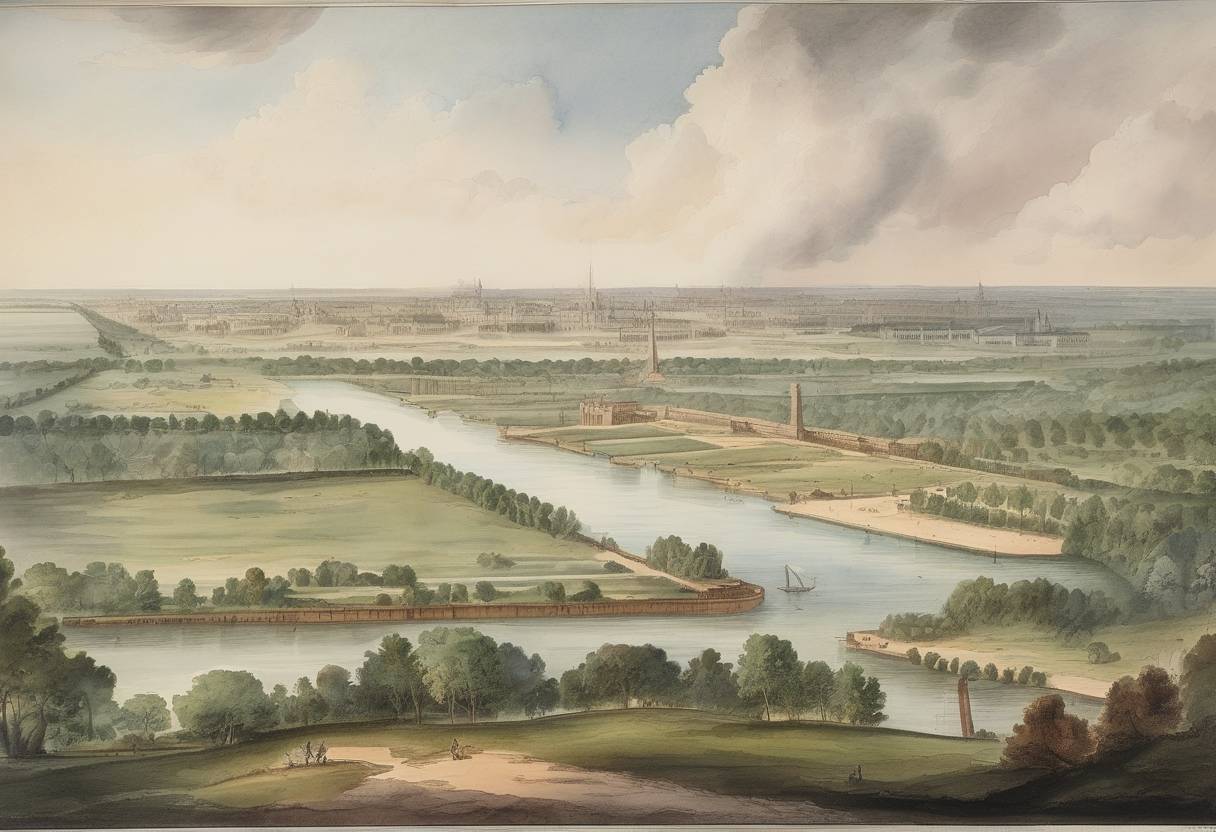
On April 30, 1803, the United States completed a monumental transaction with France known as the Louisiana Purchase. This agreement effectively doubled the size of the young nation, marking a significant expansion of its territory and influence.
The Louisiana Territory, a vast expanse of land west of the Mississippi River, had been under French control since 1699. However, it was ceded to Spain in 1762 following the Seven Years’ War. In 1800, under the secret Treaty of San Ildefonso, France regained control of the territory. Napoleon Bonaparte, then the leader of France, envisioned re-establishing a French empire in North America.
President Thomas Jefferson, recognizing the strategic importance of New Orleans and the Mississippi River for American trade, initially sought to purchase only New Orleans and its immediate surroundings. He dispatched James Monroe and Robert R. Livingston to negotiate with the French government.
However, by 1803, France faced mounting financial pressures due to ongoing conflicts in Europe, particularly the Napoleonic Wars, and a slave revolt in Saint-Domingue (present-day Haiti) that thwarted Napoleon’s plans for a North American empire. Consequently, Napoleon offered to sell the entire Louisiana Territory to the United States.
On April 30, 1803, the United States and France signed the Louisiana Purchase Treaty. The U.S. agreed to pay $15 million for approximately 828,000 square miles of land, which equates to about four cents per acre. This purchase effectively doubled the size of the United States, adding territory that would eventually become 15 new states.
The Louisiana Purchase had several significant impacts:
The Louisiana Purchase set the stage for further exploration and settlement of the American West. It led to the Lewis and Clark Expedition (1804-1806), which provided valuable information about the newly acquired lands and their resources. The purchase also laid the groundwork for future territorial acquisitions and the concept of Manifest Destiny, which would drive American expansion throughout the 19th century.
In summary, the Louisiana Purchase was a landmark event in American history, significantly altering the nation’s landscape and setting a precedent for future growth and expansion.
Source: en.wikipedia.org