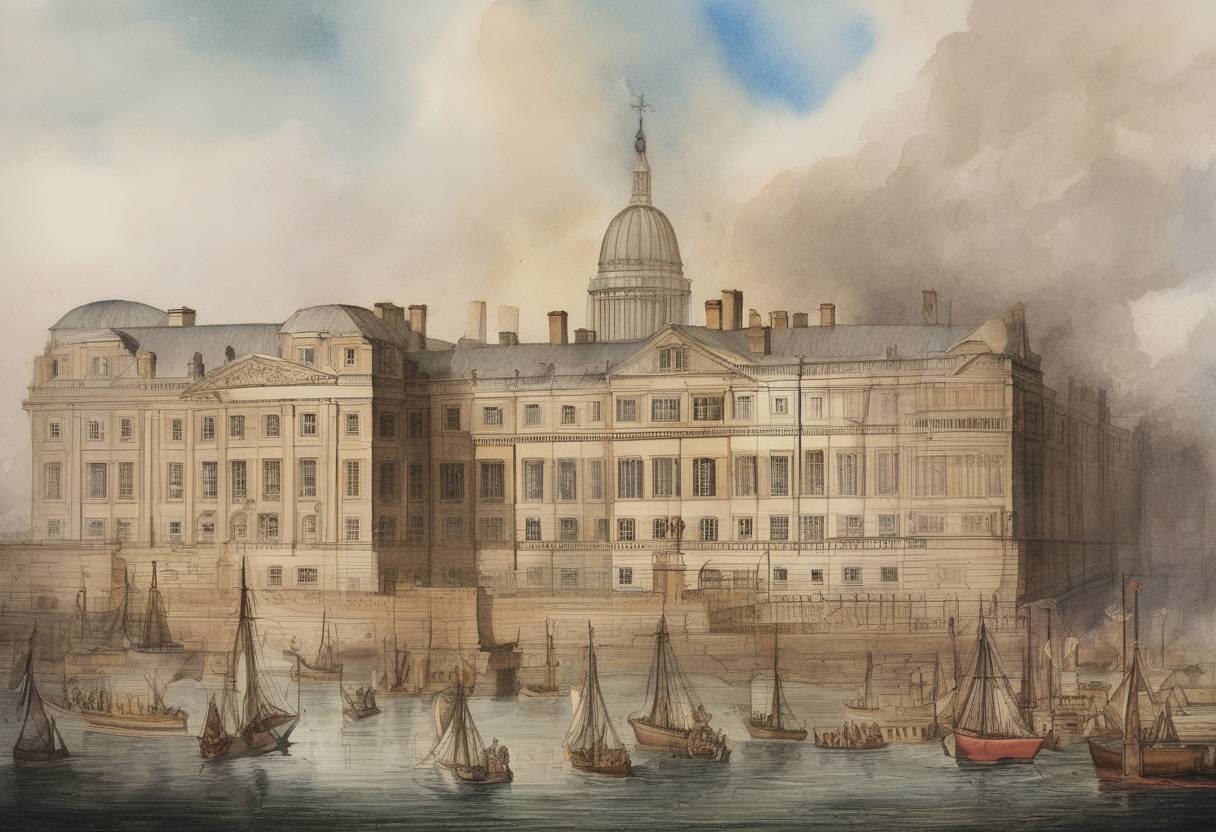
Repeal of the Stamp Act - March 18, 1766
On March 18, 1766, the British Parliament repealed the Stamp Act of 1765, a pivotal moment in the escalating tensions between Great Britain and its American colonies. The Stamp Act had imposed a direct tax on the colonies, requiring that many printed materials in the colonies be produced on stamped paper produced in London, carrying an embossed revenue stamp. This act was part of a broader strategy by the British government to raise revenue from the colonies following the costly Seven Years’ War (1756-1763).
Context and Background
The Stamp Act of 1765: Enacted by the British Parliament, this was the first direct tax levied on the American colonies. It affected a wide range of materials, including newspapers, legal documents, and playing cards, which were essential to colonial business and communication.
Colonial Opposition: The Stamp Act was met with vehement opposition in the colonies. Colonists argued that it violated their rights as Englishmen to be taxed without their consent, famously summarized in the slogan “No taxation without representation.” This led to widespread protests, boycotts of British goods, and the formation of groups like the Sons of Liberty.
Economic Impact: The boycotts and protests significantly impacted British merchants, who began to pressure Parliament to repeal the act due to the economic downturn caused by the colonial resistance.
Key Events Leading to Repeal
Stamp Act Congress: In October 1765, representatives from nine of the thirteen colonies convened in New York City to organize a unified protest against the Stamp Act. They drafted a “Declaration of Rights and Grievances,” asserting that only their own colonial assemblies had the right to tax them.
Widespread Protests: Across the colonies, protests turned violent, with effigies of tax collectors being burned and their homes ransacked. The enforcement of the Stamp Act became nearly impossible.
British Economic Concerns: The colonial boycott of British goods led to significant pressure from British merchants and manufacturers, who lobbied Parliament for the repeal of the act.
The Repeal
Parliamentary Debate: The debate over the repeal of the Stamp Act was intense. Figures like William Pitt the Elder argued against the act, emphasizing the importance of colonial goodwill and the impracticality of enforcing the tax.
Repeal and Declaratory Act: On March 18, 1766, Parliament repealed the Stamp Act. However, to assert its authority, it simultaneously passed the Declaratory Act, which stated that Parliament had the right to legislate for the colonies “in all cases whatsoever.”
Aftermath and Significance
Temporary Relief: The repeal of the Stamp Act was met with celebrations in the colonies, temporarily easing tensions between the colonies and Britain.
Continued Tensions: Despite the repeal, the passage of the Declaratory Act and subsequent taxes, such as the Townshend Acts, continued to fuel colonial resentment and resistance.
Path to Revolution: The Stamp Act crisis and its repeal were significant in the lead-up to the American Revolution. They highlighted the growing divide between the colonies and Britain and set the stage for future conflicts over taxation and governance.
The repeal of the Stamp Act was a critical moment in American colonial history, illustrating the power of collective action and setting a precedent for future resistance against British policies.