Introduction of the Euro Currency on January 1, 2002
2002 · Brussels, Belgium
The euro currency was officially introduced in 12 European Union countries, marking a significant step in European economic integration.
February 28, 2002
The Euro currency becomes the sole legal tender in the 12 Eurozone countries, replacing national currencies completely.
Brussels, Belgium | European Union
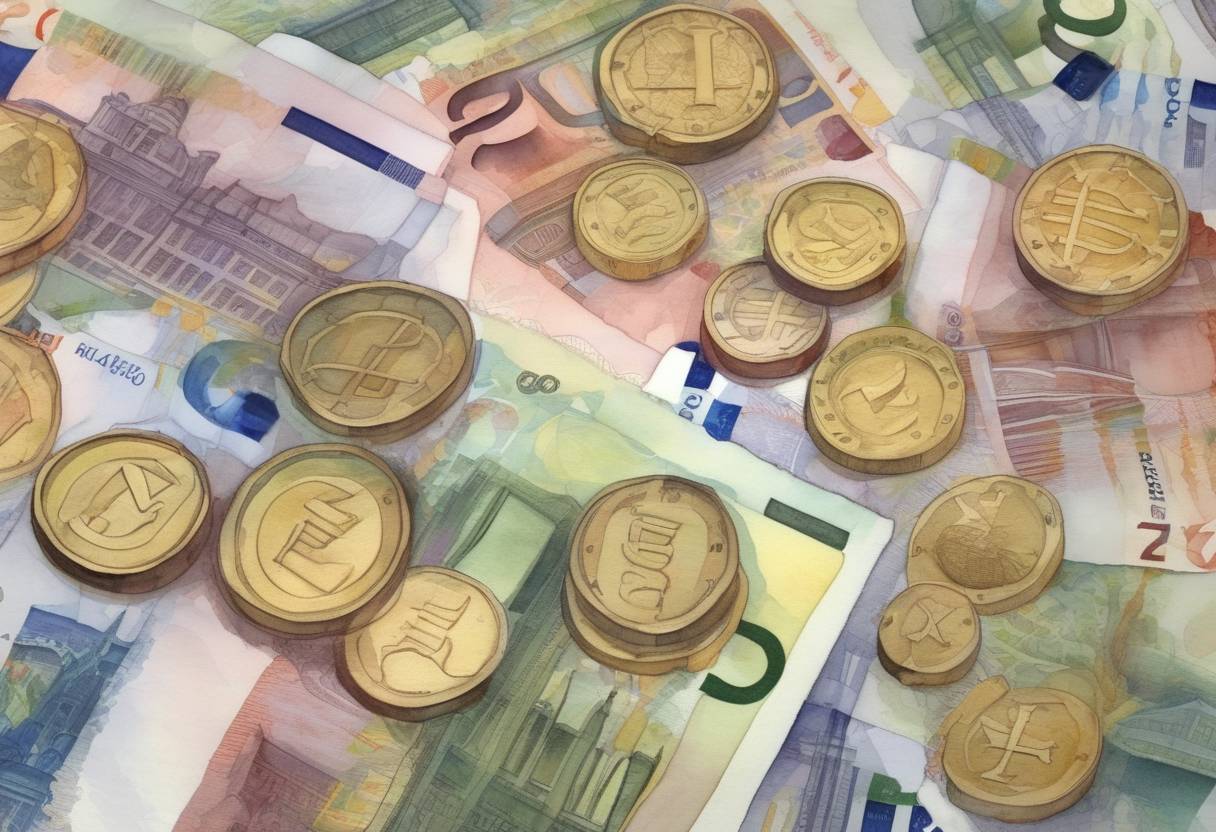
On February 28, 2002, the euro officially became the sole legal tender in the 12 Eurozone countries, marking the completion of a significant transition from national currencies to a single, unified currency. This event was a pivotal moment in the economic integration of Europe and had far-reaching implications for the global economy.
The euro was introduced as an accounting currency on January 1, 1999, when 11 European Union (EU) member states locked their exchange rates and began using the euro for electronic transactions and accounting purposes. Greece joined the Eurozone in 2001, bringing the total to 12 countries. The introduction of euro banknotes and coins on January 1, 2002, marked the beginning of the physical transition from national currencies to the euro.
From January 1 to February 28, 2002, there was a dual circulation period during which both the euro and national currencies were accepted as legal tender. This period allowed citizens and businesses to adapt to the new currency, exchange old banknotes and coins, and update financial systems.
The successful transition to the euro as the sole legal tender in the Eurozone was a landmark achievement in European integration, reflecting the commitment of EU member states to a shared economic future. It laid the foundation for further expansion of the Eurozone and strengthened the EU’s position in the global economy.
Source: www.ecb.europa.eu