The Heysel Stadium Disaster: May 29, 1985
1985 · Brussels, Belgium
The Heysel Stadium disaster occurred in Brussels, Belgium, when a wall collapsed during a European Cup final, resulting in 39 deaths and hundreds of injuries.
April 15, 1989
The Hillsborough disaster occurred at a football match in Sheffield, England, where 96 Liverpool fans were crushed to death due to overcrowding.
Sheffield, England | South Yorkshire Police
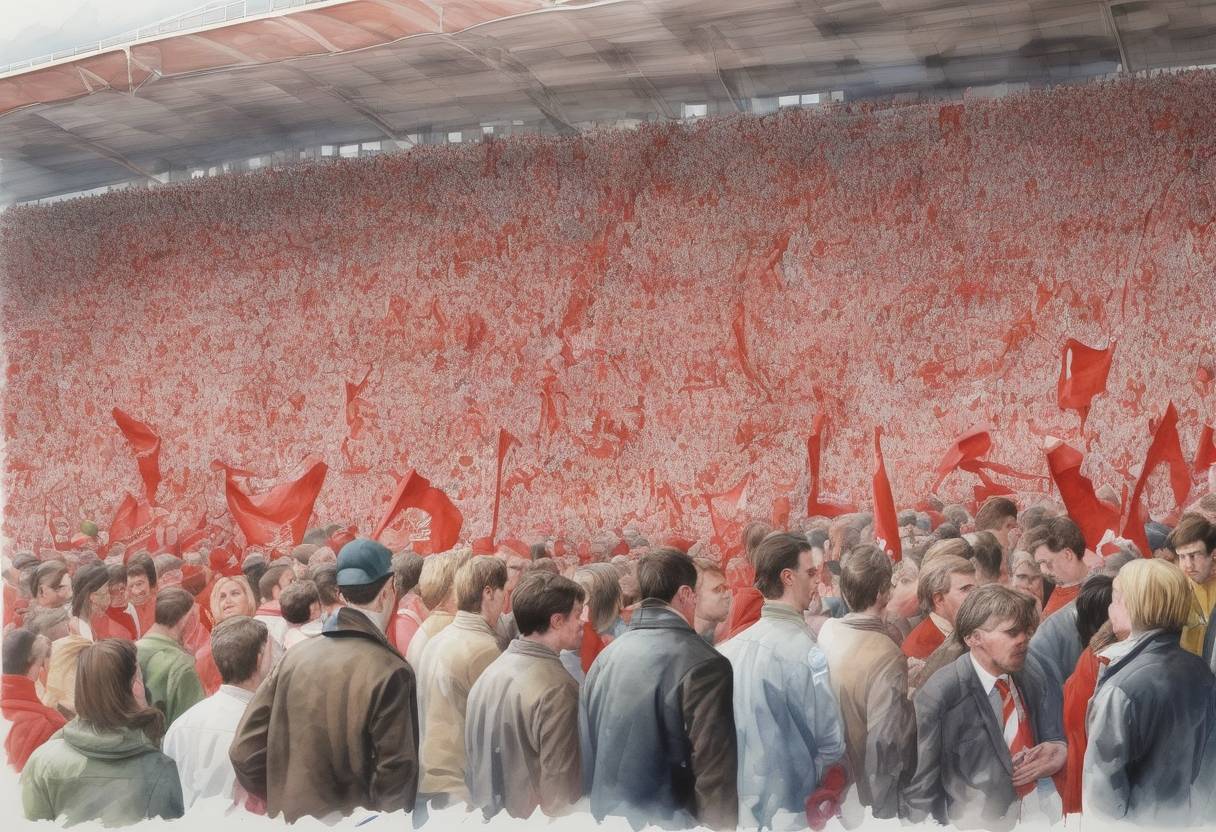
The Hillsborough disaster stands as one of the darkest days in the history of British football. On April 15, 1989, a tragic event unfolded at the Hillsborough Stadium in Sheffield, England, during an FA Cup semi-final match between Liverpool and Nottingham Forest. This disaster resulted in the deaths of 96 Liverpool fans and left hundreds more injured.
Hillsborough Stadium, the home ground of Sheffield Wednesday, was chosen as the neutral venue for the semi-final match. The stadium’s Leppings Lane end was allocated to Liverpool supporters. This section was notorious for its limited capacity and outdated facilities, including the use of metal fences to separate fans from the pitch, a common practice at the time to prevent pitch invasions.
Overcrowding: As kick-off approached, thousands of Liverpool fans were still outside the stadium, leading to a bottleneck at the turnstiles. The police, concerned about potential crowd trouble, decided to open an exit gate to alleviate the congestion.
Inadequate Crowd Control: The opening of the gate led to a surge of fans into the already crowded central pens of the Leppings Lane terrace. The design of the pens and the lack of proper crowd management exacerbated the situation, causing a deadly crush.
Crushing: Fans at the front were pressed against the metal fences, unable to escape. The match was halted just six minutes after kick-off as the severity of the situation became apparent.
Emergency Response: The response was chaotic and insufficient. Many fans were left to fend for themselves, with some attempting to pull others to safety over the fences.
Casualties: 94 fans died on the day, with two more succumbing to their injuries later, bringing the total to 96. Over 700 were injured.
Public Reaction: The disaster prompted widespread grief and anger, particularly among the Liverpool community. It also led to a significant public outcry for accountability and justice.
Taylor Report: The subsequent inquiry, led by Lord Justice Taylor, concluded that the primary cause of the disaster was the failure of police control. The report recommended the removal of standing terraces in favor of all-seater stadiums, leading to significant changes in stadium safety regulations across the UK.
Legal Proceedings: Initial inquests returned verdicts of accidental death, which were later quashed following a long campaign by the victims’ families. New inquests in 2016 ruled the deaths as unlawful killings, citing police failures and inadequate emergency response.
Accountability: The disaster led to ongoing legal battles and public campaigns for justice, highlighting issues of accountability and transparency within the police and football authorities.
The Hillsborough disaster had a profound impact on British football, leading to sweeping changes in stadium safety and crowd management. It also underscored the importance of accountability and transparency in public institutions. The tragedy remains a poignant reminder of the need for vigilance in ensuring the safety and well-being of sports fans worldwide.
Source: en.wikipedia.org