Transition from British Broadcasting Company to British Broadcasting Corporation
1927 · London, United Kingdom
The British Broadcasting Company became the British Broadcasting Corporation (BBC), a public corporation.
June 25, 1967
The first global satellite television broadcast, Our World, was aired, featuring performances by artists from 19 countries, including The Beatles.
London, United Kingdom | BBC
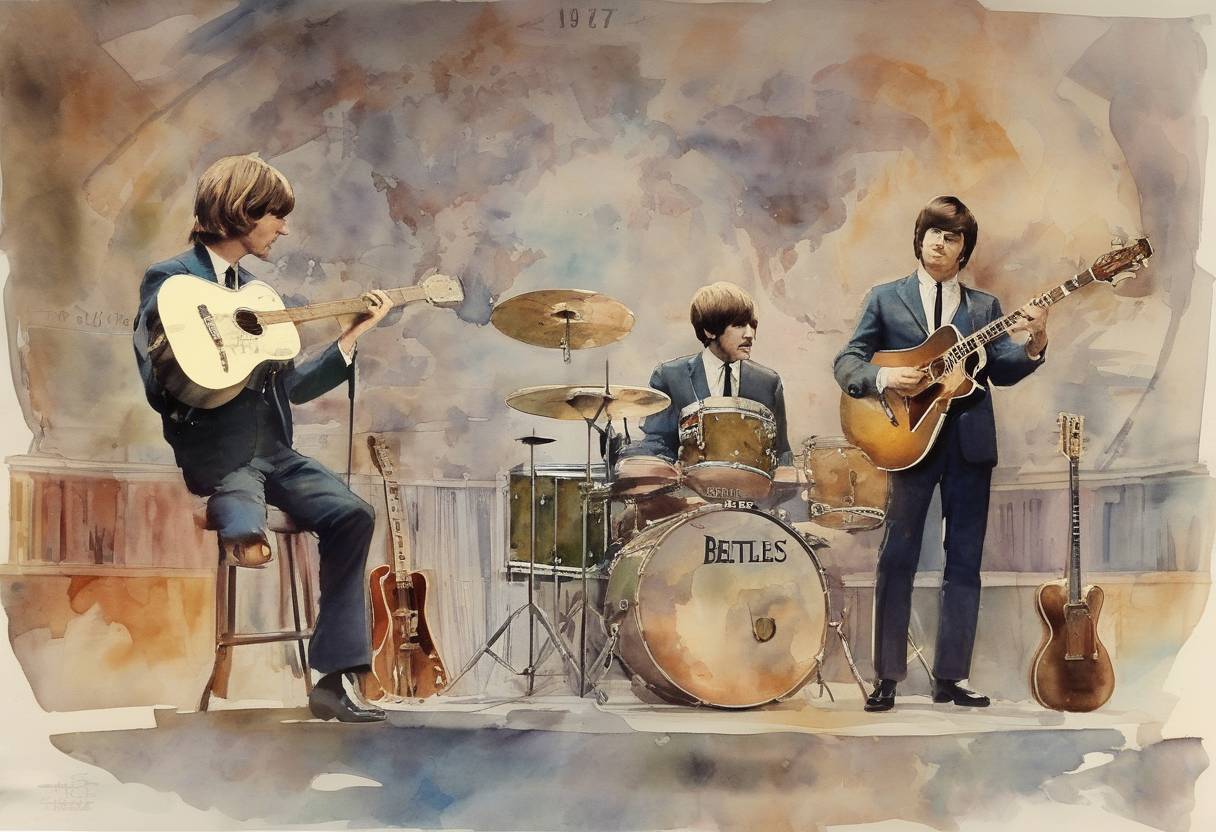
On June 25, 1967, a groundbreaking event in television history took place: the first global satellite television broadcast, known as “Our World.” This ambitious project was a live, international broadcast that connected audiences across the globe, showcasing performances and segments from 19 different countries.
The concept of “Our World” was conceived as a way to demonstrate the potential of satellite technology to unite the world through television. The European Broadcasting Union (EBU) organized the event, and it was broadcast via the Intelsat I (nicknamed “Early Bird”) and other satellites. The program aimed to highlight the cultural and technological achievements of participating nations, emphasizing global unity and cooperation.
Participating Countries: The broadcast included contributions from 19 countries, each presenting a segment that highlighted their unique cultural or technological advancements. Countries involved included the United Kingdom, the United States, Canada, Japan, Australia, and several European nations.
The Beatles’ Performance: One of the most memorable moments of “Our World” was the live performance by The Beatles. They performed their newly written song “All You Need Is Love,” which was specifically chosen for its universal message of peace and love. The performance took place at Abbey Road Studios in London and featured a live orchestra and a chorus of friends and celebrities.
Technical Achievements: The broadcast was a technical marvel for its time, requiring coordination across multiple time zones and the use of cutting-edge satellite technology. It was estimated that the program reached an audience of over 400 million people worldwide, a record-breaking figure at the time.
“Our World” was more than just a television program; it was a symbol of the potential for global communication and cooperation. It demonstrated how technology could bridge cultural and geographical divides, bringing people together in a shared experience. The broadcast also highlighted the role of television as a powerful medium for cultural exchange and international dialogue.
The success of “Our World” paved the way for future global broadcasts and set a precedent for international television events. It showcased the potential for satellite technology to revolutionize broadcasting, leading to more ambitious projects in the years that followed. The event also solidified The Beatles’ status as global icons and underscored the power of music as a unifying force.
In summary, “Our World” was a landmark event in television history, illustrating the possibilities of global communication and the role of media in fostering international understanding.
Source: en.wikipedia.org