Overthrow of Prime Minister Aleksandar Stamboliyski: June 9, 1923
1923 · Sofia, Bulgaria
Bulgaria's prime minister Aleksandar Stamboliyski was overthrown in a military coup.
July 24, 2001
Simeon Saxe-Coburg-Gotha, the former Tsar of Bulgaria, was sworn in as the Prime Minister of Bulgaria, marking a significant political event as he became the first former monarch in history to regain political power through democratic elections.
Sofia, Bulgaria | Bulgarian Government
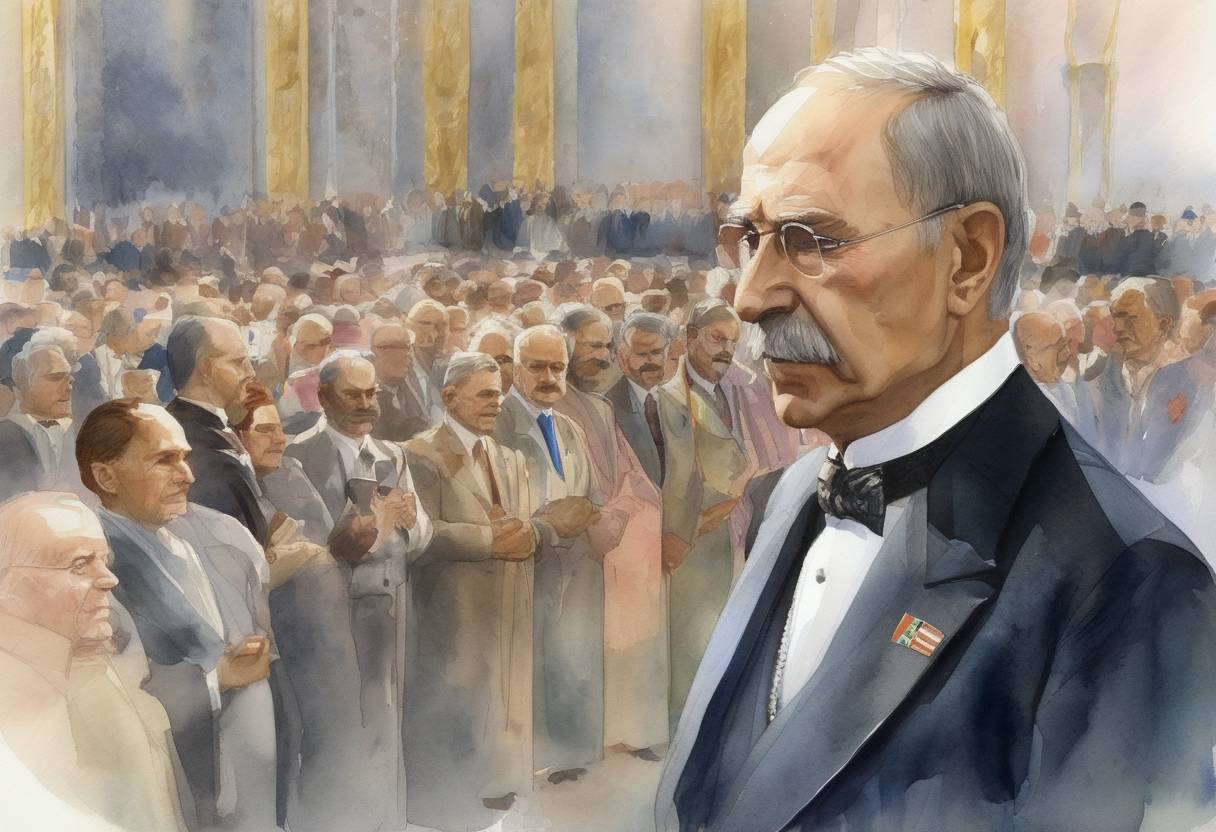
On July 24, 2001, Simeon Saxe-Coburg-Gotha, the former Tsar of Bulgaria, was sworn in as the Prime Minister of Bulgaria. This event marked a significant moment in history as he became the first former monarch to regain political power through democratic elections.
Monarchical Background: Simeon II was the last reigning Tsar of Bulgaria, ascending to the throne in 1943 at the age of six after the death of his father, Tsar Boris III. His reign was cut short in 1946 when the monarchy was abolished following a referendum, and the royal family was exiled.
Exile and Return: Simeon spent decades in exile, primarily in Spain, where he pursued a career in business. He returned to Bulgaria in 1996, after the fall of communism, which allowed for greater political freedom and the possibility of his re-engagement in Bulgarian public life.
Formation of NMSII: In April 2001, Simeon founded the National Movement for Stability and Progress (NMSII), a centrist political party. His return to politics was met with enthusiasm by many Bulgarians who were disillusioned with the existing political establishment.
Election Victory: The NMSII won a decisive victory in the parliamentary elections held in June 2001, securing 120 out of 240 seats in the National Assembly. This victory was attributed to Simeon’s promises of economic reform, anti-corruption measures, and improved living standards.
Historical First: Simeon’s election as Prime Minister was unprecedented, as he became the first former monarch to return to power through democratic means in modern history.
Policy Focus: As Prime Minister, Simeon focused on Bulgaria’s integration into the European Union and NATO, economic reforms, and efforts to combat corruption. His tenure was marked by attempts to stabilize the Bulgarian economy and improve international relations.
Legacy: Simeon’s time in office, which lasted until 2005, was a period of significant transition for Bulgaria as it moved closer to European integration. His leadership was seen as a bridge between Bulgaria’s monarchical past and its democratic future.
Post-Premiership: After leaving office, Simeon remained an influential figure in Bulgarian politics and society. His legacy is complex, with opinions divided on the effectiveness of his reforms and leadership style.
Broader Impact: Simeon’s return to power highlighted the potential for former monarchs to play roles in modern democratic systems, setting a unique precedent in global politics.
In summary, Simeon Saxe-Coburg-Gotha’s swearing-in as Prime Minister on July 24, 2001, was a landmark event in Bulgarian history, symbolizing a unique blend of monarchical heritage and democratic governance.
Source: www.bbc.com