Discovery of the Lascaux Caves - September 12, 1940
1940 · Montignac, France
The Lascaux Caves were discovered in France, containing some of the most famous examples of prehistoric cave paintings.
April 8, 1820
The Venus de Milo, an ancient Greek statue, was discovered on the island of Milos in the Aegean Sea.
Milos, Greece | none
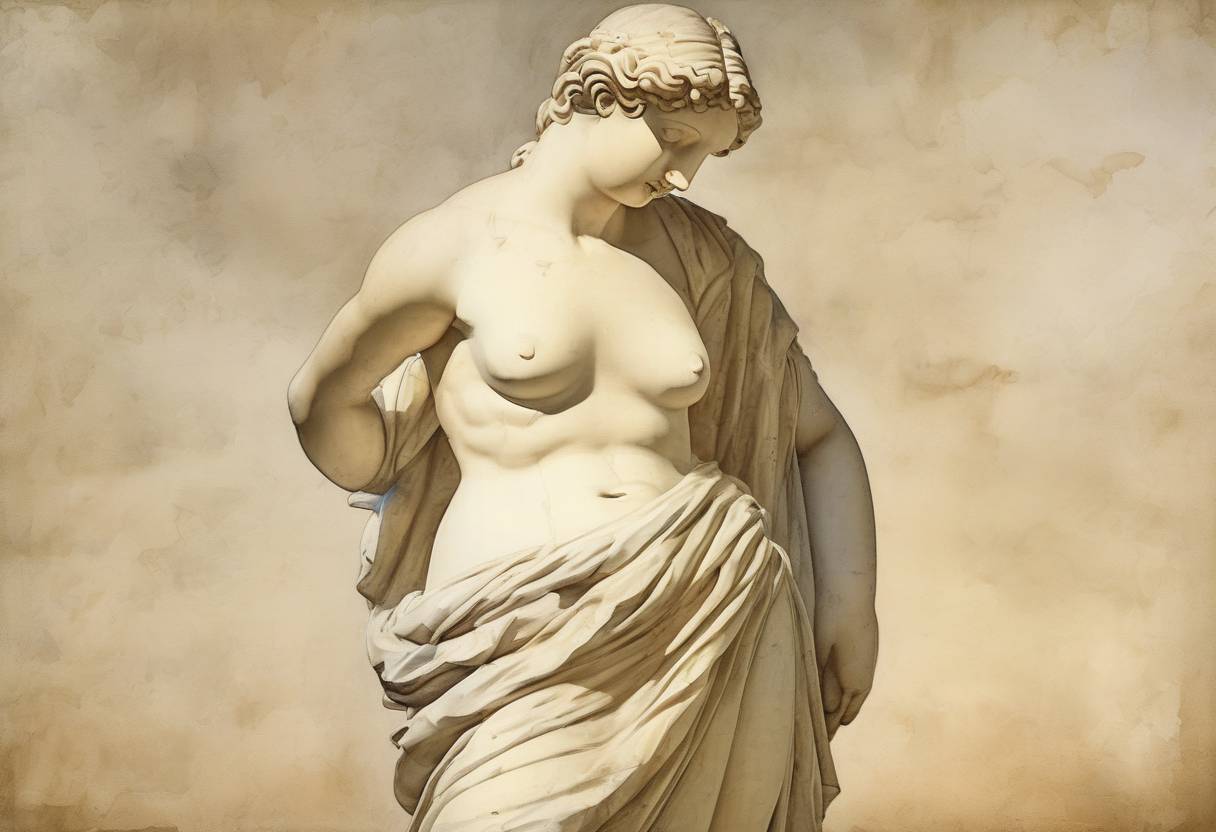
On April 8, 1820, the Venus de Milo, an ancient Greek statue, was discovered on the island of Milos in the Aegean Sea. This remarkable find has since become one of the most celebrated sculptures of ancient Greek art, renowned for its beauty and mystery.
The Venus de Milo is believed to have been created between 130 and 100 BCE during the Hellenistic period, a time characterized by the spread of Greek culture across the Mediterranean and Near East following the conquests of Alexander the Great. The statue is thought to represent Aphrodite, the Greek goddess of love and beauty, known as Venus in Roman mythology.
The discovery was made by a local farmer named Yorgos Kentrotas, who stumbled upon the statue while digging for stones to use as building material. The statue was found in pieces, buried within the ruins of an ancient city on the island of Milos. Recognizing its potential value, Kentrotas reported the find, which soon attracted the attention of French naval officer Olivier Voutier, who was stationed nearby.
Recognizing the significance of the statue, Voutier alerted the French ambassador to the Ottoman Empire, Charles François de Riffardeau, the Marquis de Rivière. The French quickly negotiated with the local authorities to acquire the statue, which was then transported to France. In 1821, the Venus de Milo was presented to King Louis XVIII, who donated it to the Louvre Museum in Paris, where it remains on display today.
The Venus de Milo stands at approximately 6 feet 8 inches tall and is crafted from Parian marble, known for its fine quality and translucence. The statue is notable for its missing arms, which have been the subject of much speculation and artistic interpretation. Despite this, the Venus de Milo is celebrated for its exquisite craftsmanship, harmonious proportions, and the serene expression of its subject.
The statue is a quintessential example of Hellenistic sculpture, reflecting the era’s emphasis on naturalism and dynamic movement. Its discovery and subsequent display in the Louvre have contributed significantly to the study and appreciation of ancient Greek art and have cemented its status as an iconic symbol of classical beauty.
The Venus de Milo’s discovery came at a time when European interest in classical antiquity was burgeoning, fueled by the Romantic movement and archaeological discoveries. It played a role in the 19th-century revival of classical art and architecture, influencing artists and scholars alike.
The statue’s enigmatic history and the mystery surrounding its missing arms continue to captivate audiences, making it a subject of ongoing scholarly research and public fascination. The Venus de Milo remains a testament to the enduring legacy of ancient Greek culture and its profound impact on Western art and aesthetics.
Source: en.wikipedia.org