Publication of "The Grapes of Wrath" - April 14, 1939
1939 · New York, United States
The Grapes of Wrath, a novel by John Steinbeck depicting the struggles of Dust Bowl migrants, was published.
April 10, 1925
The Great Gatsby, a novel by F. Scott Fitzgerald, was first published in New York City, becoming one of the most acclaimed works of American literature.
New York City, United States | Charles Scribner's Sons
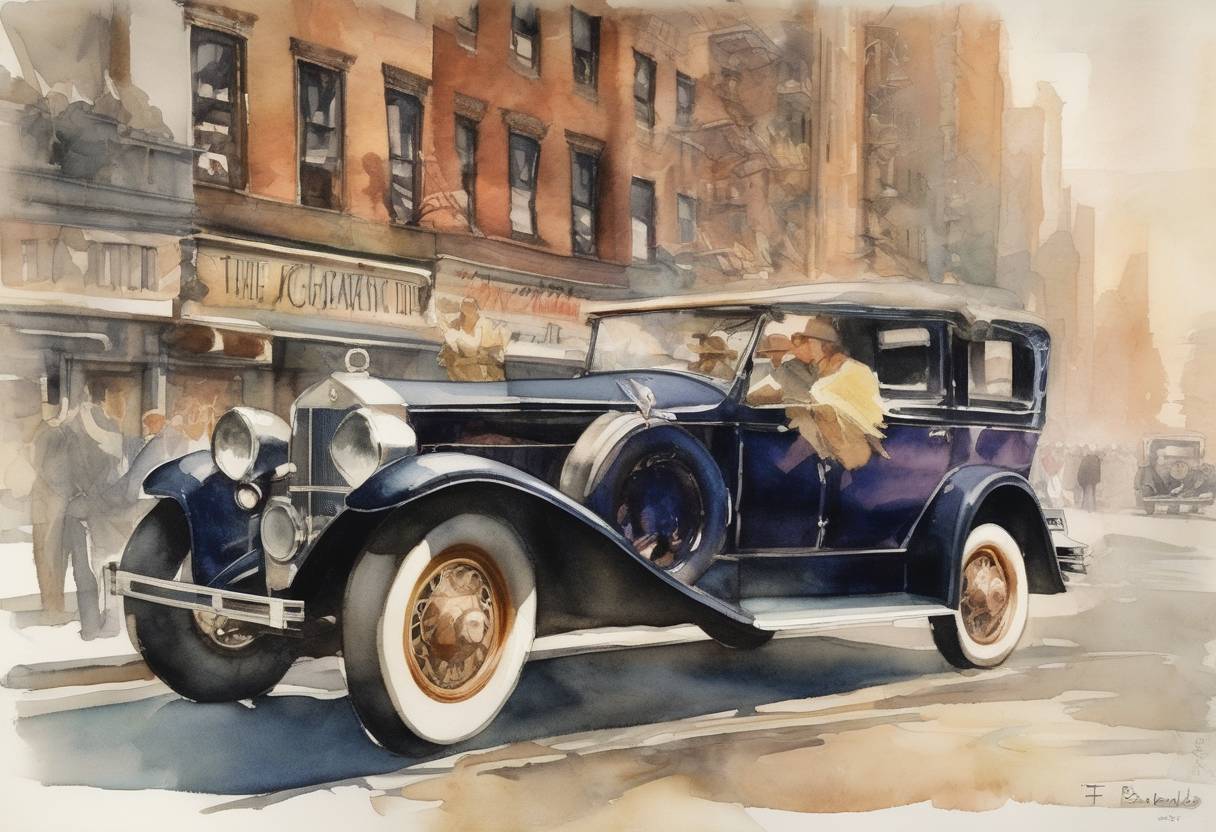
Publication Date: April 10, 1925
Author: F. Scott Fitzgerald
Publisher: Charles Scribner’s Sons
Location: New York City
“The Great Gatsby,” authored by F. Scott Fitzgerald, was first published on April 10, 1925, in New York City. This novel has since become one of the most acclaimed works of American literature, celebrated for its exploration of themes such as the American Dream, wealth, and social change during the Jazz Age.
Fitzgerald wrote “The Great Gatsby” during the Roaring Twenties, a period marked by economic prosperity, cultural dynamism, and significant social change in the United States. This era, often referred to as the Jazz Age, was characterized by a break from tradition, with new forms of music, fashion, and social norms emerging. Fitzgerald himself was a prominent figure of this time, and his work often reflected the complexities and contradictions of the era.
The novel is set in the summer of 1922 and follows the story of Jay Gatsby, a mysterious millionaire known for his lavish parties on Long Island. The narrative is delivered through the eyes of Nick Carraway, a Yale graduate and World War I veteran who rents a house next to Gatsby’s mansion. As Nick becomes entangled in Gatsby’s world, he learns about Gatsby’s obsessive love for Daisy Buchanan, Nick’s cousin, who is married to the wealthy but unfaithful Tom Buchanan. The story unfolds with themes of love, betrayal, and the pursuit of the unattainable American Dream.
Upon its initial release, “The Great Gatsby” received mixed reviews and did not achieve significant commercial success. However, it gained popularity during World War II when it was distributed to American soldiers overseas. Since then, it has been recognized as a classic of American literature, studied in schools and adapted into various films and stage productions.
The novel’s enduring legacy lies in its profound commentary on the American experience and its timeless exploration of human desires and societal flaws. Today, “The Great Gatsby” is considered a quintessential depiction of the Jazz Age and a critical examination of the American ethos.
“The Great Gatsby” remains a vital part of the American literary canon, offering insights into the complexities of human nature and the societal shifts of the early 20th century. Its publication on April 10, 1925, marked the beginning of its journey to becoming a cornerstone of American culture and literature.
Source: www.britannica.com