King Henry VIII Marries Anne of Cleves
1540 · Greenwich, England
King Henry VIII of England married Anne of Cleves, his fourth wife.
September 7, 1533
Elizabeth I of England was born, who would later become one of the most significant monarchs in English history.
Greenwich, England | Tudor Dynasty
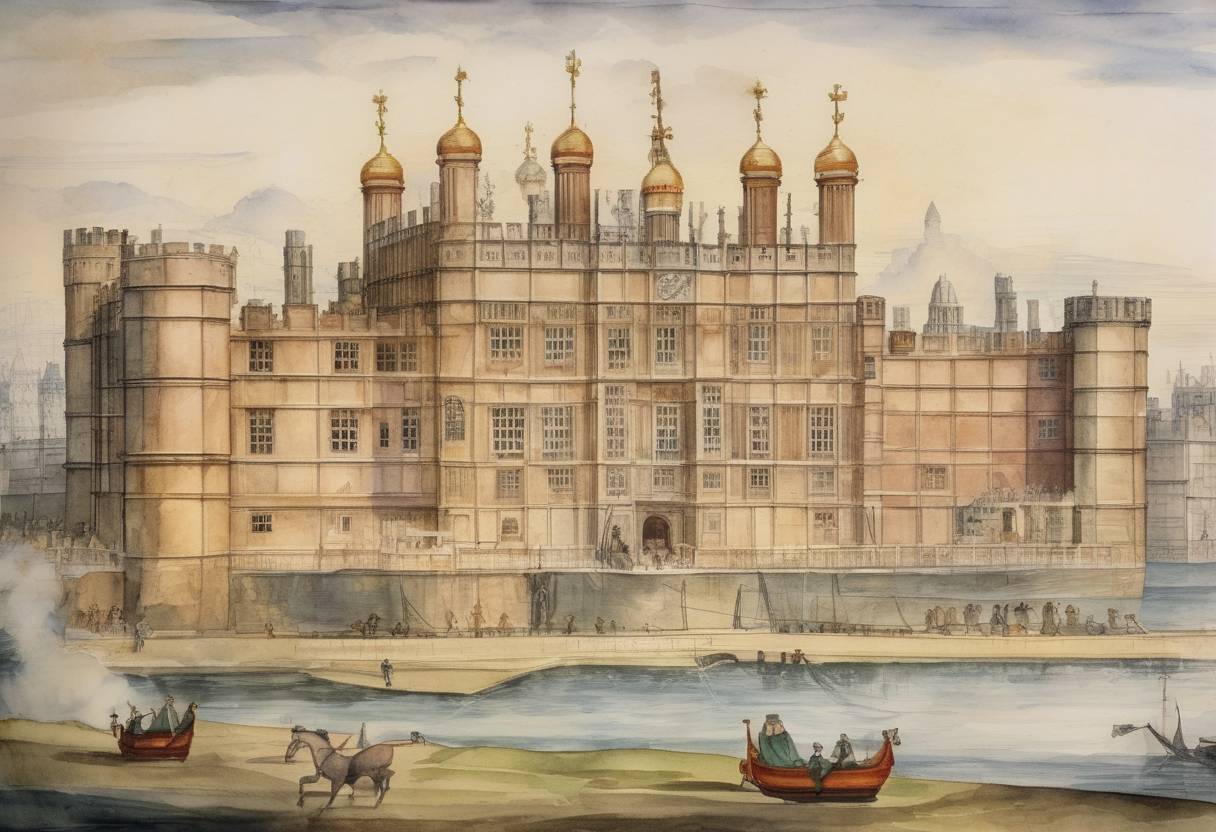
On September 7, 1533, Elizabeth I was born at Greenwich Palace in London, England. She was the daughter of King Henry VIII and his second wife, Anne Boleyn. Elizabeth’s birth was a significant event in English history, as she would later become one of the most influential and celebrated monarchs of England.
Henry VIII’s Quest for a Male Heir: At the time of Elizabeth’s birth, King Henry VIII was desperate for a male heir to secure the Tudor dynasty. His first wife, Catherine of Aragon, had failed to produce a surviving male heir, leading Henry to annul their marriage and marry Anne Boleyn.
Religious and Political Turmoil: The marriage to Anne Boleyn and the subsequent birth of Elizabeth were set against a backdrop of religious upheaval. Henry’s break from the Catholic Church and the establishment of the Church of England were partly motivated by his desire to marry Anne and have a legitimate male heir.
Disappointment and Danger: Elizabeth’s birth was initially a disappointment to her parents, as she was not the male heir they had hoped for. Her early years were marked by political instability, especially after her mother’s execution in 1536 when Elizabeth was declared illegitimate.
Education and Upbringing: Despite the challenges, Elizabeth received an excellent education, studying languages, history, rhetoric, and philosophy. Her upbringing was influenced by the humanist ideals of the Renaissance, which later shaped her reign.
Becoming Queen: Elizabeth ascended to the throne on November 17, 1558, following the death of her half-sister, Mary I. Her reign, known as the Elizabethan Era, lasted 45 years and is often considered a golden age in English history.
Achievements and Legacy: Elizabeth I is renowned for her skillful navigation of political and religious challenges, including the Spanish Armada’s defeat in 1588. Her reign saw the flourishing of English drama, led by playwrights such as William Shakespeare and Christopher Marlowe, and the expansion of English influence overseas.
Elizabeth I’s reign marked a period of relative stability and prosperity in England. Her ability to maintain independence from foreign powers, her support for the arts, and her role in the Protestant Reformation left a lasting impact on English history. Elizabeth’s legacy as the “Virgin Queen” and a symbol of national unity endures to this day.
In conclusion, the birth of Elizabeth I on September 7, 1533, set the stage for a transformative era in English history, characterized by cultural renaissance and political resilience.
Source: en.wikipedia.org