The Overthrow of Fulgencio Batista: January 1, 1959
1959 · Havana, Cuba
Fidel Castro's forces overthrow the government of Cuban dictator Fulgencio Batista, marking the beginning of Castro's rule in Cuba.
December 2, 1956
Fidel Castro and his followers landed in Cuba aboard the yacht Granma, beginning the Cuban Revolution.
Niquero, Cuba | 26th of July Movement
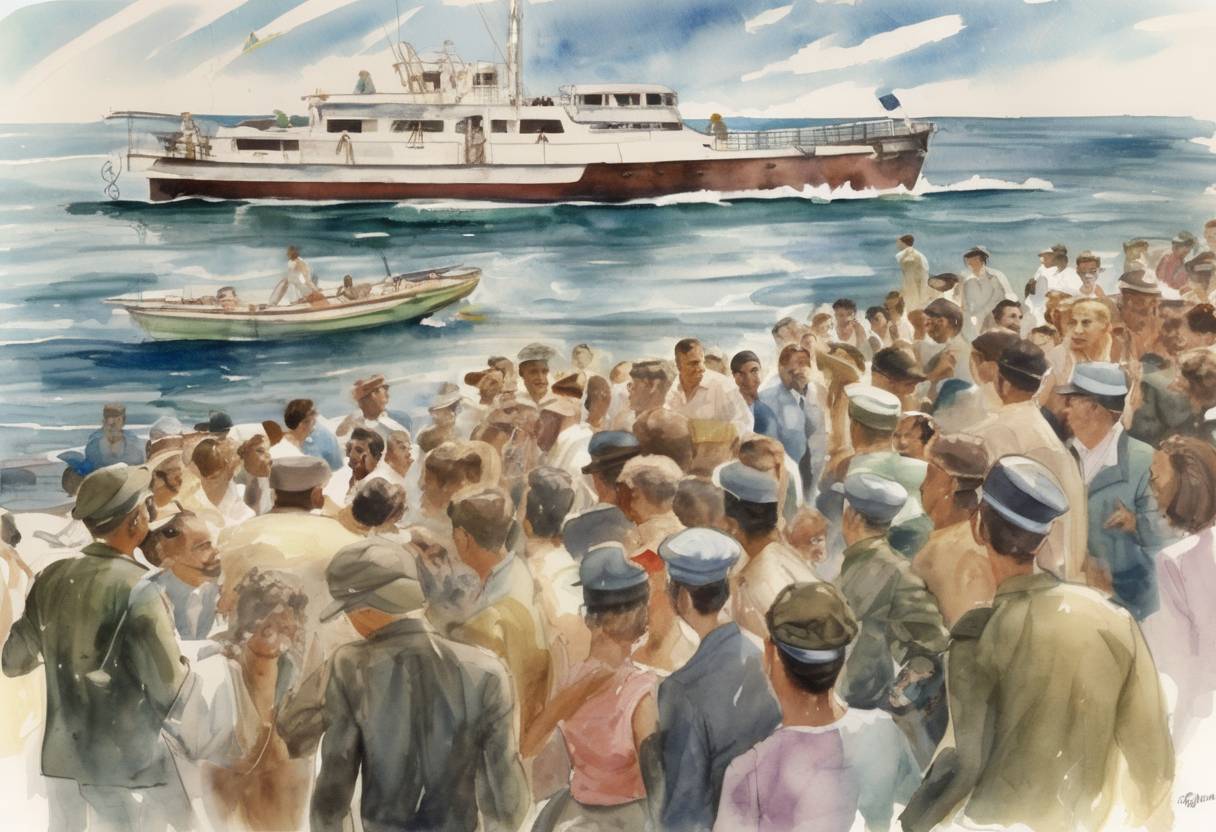
On December 2, 1956, a pivotal event in the history of Cuba unfolded as Fidel Castro and his band of revolutionaries landed on Cuban soil aboard the yacht Granma. This marked the beginning of the Cuban Revolution, a transformative period that would eventually lead to the overthrow of the Batista regime and the establishment of a socialist state in Cuba.
The roots of the Cuban Revolution can be traced back to widespread dissatisfaction with the government of Fulgencio Batista, who had seized power in a military coup in 1952. Batista’s regime was characterized by corruption, repression, and a close alliance with American business interests, which fueled discontent among various sectors of Cuban society.
Fidel Castro, a young lawyer and activist, emerged as a prominent figure in the opposition to Batista. After a failed attack on the Moncada Barracks in 1953, Castro was imprisoned but later released under an amnesty. He went into exile in Mexico, where he regrouped and planned a new revolutionary effort.
The Granma was a small, 60-foot yacht purchased by Castro and his followers for their journey back to Cuba. On November 25, 1956, Castro, along with 81 other revolutionaries, including his brother Raúl Castro and the iconic Argentine revolutionary Ernesto “Che” Guevara, set sail from Tuxpan, Mexico.
The voyage was fraught with challenges. The yacht was overloaded, and the journey took longer than anticipated due to poor weather and navigational difficulties. The Granma finally reached the Cuban coast at Playa Las Coloradas in the Oriente Province on December 2, 1956, two days later than planned.
The landing was chaotic and far from the strategic success the revolutionaries had hoped for. They were quickly detected by Batista’s forces, leading to a series of skirmishes. Many of the revolutionaries were killed or captured in the initial encounters, and the survivors were forced to retreat into the Sierra Maestra mountains.
Despite these setbacks, the core group, including Fidel and Raúl Castro, Che Guevara, and a few others, managed to evade capture. They began to regroup and build a guerrilla army in the mountains, gaining support from local peasants and gradually expanding their influence.
The landing of the Granma marked the beginning of a two-year guerrilla campaign that would eventually lead to the collapse of Batista’s regime. The revolutionaries’ ability to survive and regroup after the disastrous landing demonstrated their resilience and commitment to their cause.
By January 1, 1959, Fidel Castro’s forces had successfully overthrown Batista, who fled the country. This victory ushered in a new era for Cuba, as Castro established a socialist government and aligned the country with the Soviet Union, significantly impacting Cold War dynamics.
The Cuban Revolution had profound effects on both domestic and international fronts, influencing revolutionary movements across Latin America and altering the geopolitical landscape of the Western Hemisphere.
The landing of the Granma remains a symbol of revolutionary determination and the beginning of a significant chapter in Cuban history.
Source: en.wikipedia.org