Kidnapping of Chibok Schoolgirls - April 14, 2014
2014 · Chibok, Nigeria
Boko Haram militants kidnapped 276 schoolgirls from a secondary school in Chibok, Nigeria, sparking international outrage and the #BringBackOurGirls campaign.
May 4, 2014
The Nigerian terrorist group Boko Haram kidnapped hundreds of schoolgirls from the town of Chibok, sparking international outrage and the #BringBackOurGirls campaign.
Chibok, Nigeria | Boko Haram
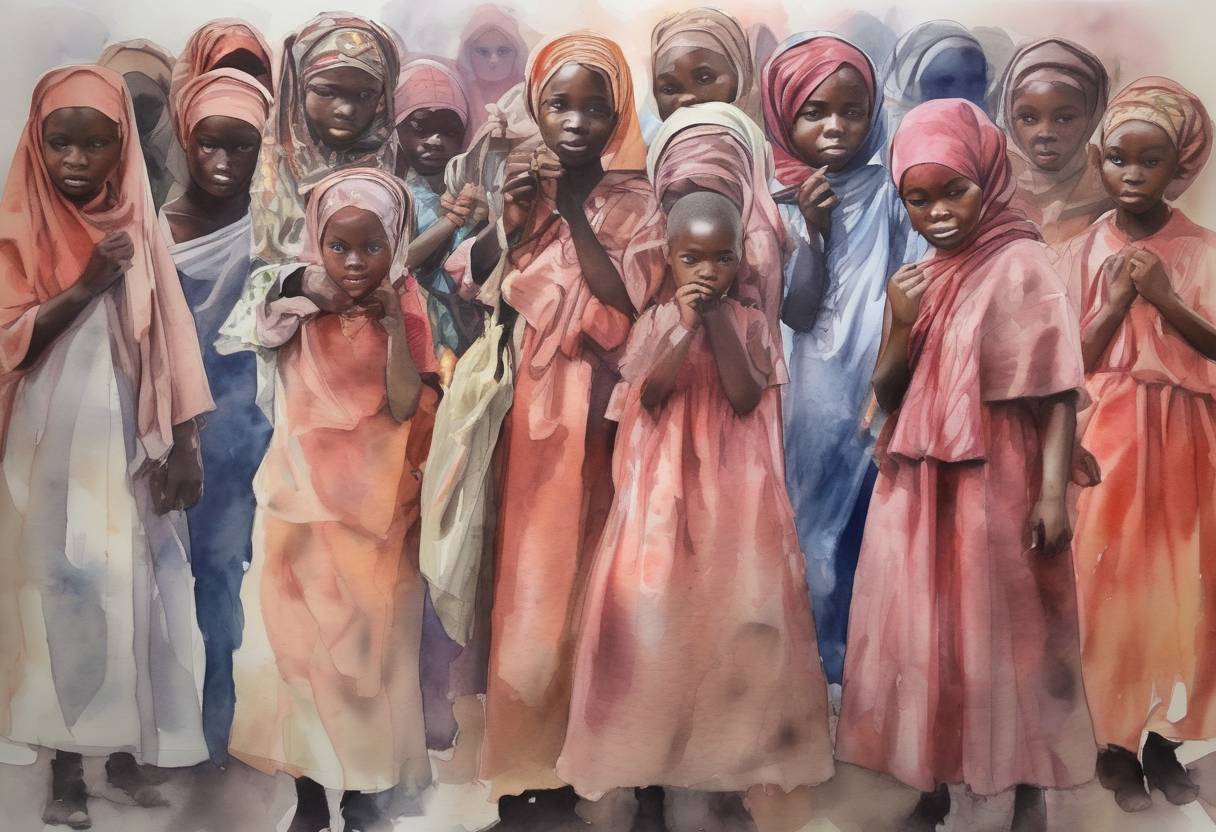
On April 14, 2014, the Nigerian terrorist group Boko Haram orchestrated a mass kidnapping that drew international attention and outrage. This tragic event took place in the town of Chibok, located in Borno State, northeastern Nigeria. The group abducted 276 female students from the Government Girls Secondary School, marking one of the most notorious acts of violence in Boko Haram’s insurgency.
Boko Haram, whose name roughly translates to “Western education is forbidden,” is an extremist group that has been active since the early 2000s. The group opposes Western-style education and seeks to establish an Islamic state in Nigeria. By 2014, Boko Haram had already been responsible for numerous attacks, including bombings, assassinations, and kidnappings, primarily targeting civilians and educational institutions.
On the night of April 14, Boko Haram militants stormed the school in Chibok, where the girls were preparing for their final exams. The attackers, disguised as soldiers, deceived the students and teachers, leading to the mass abduction. The militants loaded the girls onto trucks and drove them into the dense Sambisa Forest, a known Boko Haram stronghold.
The kidnapping sparked a global outcry, leading to the emergence of the #BringBackOurGirls campaign on social media. This movement aimed to raise awareness and pressure governments worldwide to take action for the girls’ release. High-profile figures, including then-First Lady of the United States Michelle Obama and Nobel laureate Malala Yousafzai, supported the campaign, amplifying its reach and impact.
The Nigerian government, alongside international partners, launched efforts to rescue the girls. However, the operation faced significant challenges due to the difficult terrain of the Sambisa Forest and the elusive nature of Boko Haram. Over time, some of the girls managed to escape, while others were released through negotiations. Despite these efforts, as of 2023, many of the Chibok girls remain missing, and their fate is uncertain.
The Chibok kidnapping highlighted the severe security challenges in Nigeria and the broader Lake Chad region. It underscored the vulnerability of educational institutions in conflict zones and the devastating impact of terrorism on communities. The incident also prompted discussions on the importance of girls’ education and the need for international cooperation in combating terrorism.
In conclusion, the Chibok schoolgirls’ kidnapping remains a poignant reminder of the ongoing struggle against extremist violence and the resilience of those affected by such atrocities. The #BringBackOurGirls campaign continues to symbolize the global demand for justice and the protection of human rights.
Source: www.bbc.com