Barbados Gains Independence: November 30, 1966
1966 · Bridgetown, Barbados
Barbados gained independence from the United Kingdom, becoming a sovereign nation within the Commonwealth.
November 30, 2021
Barbados officially became a republic, removing Queen Elizabeth II as its head of state and inaugurating its first President, Sandra Mason.
Bridgetown, Barbados | Government of Barbados
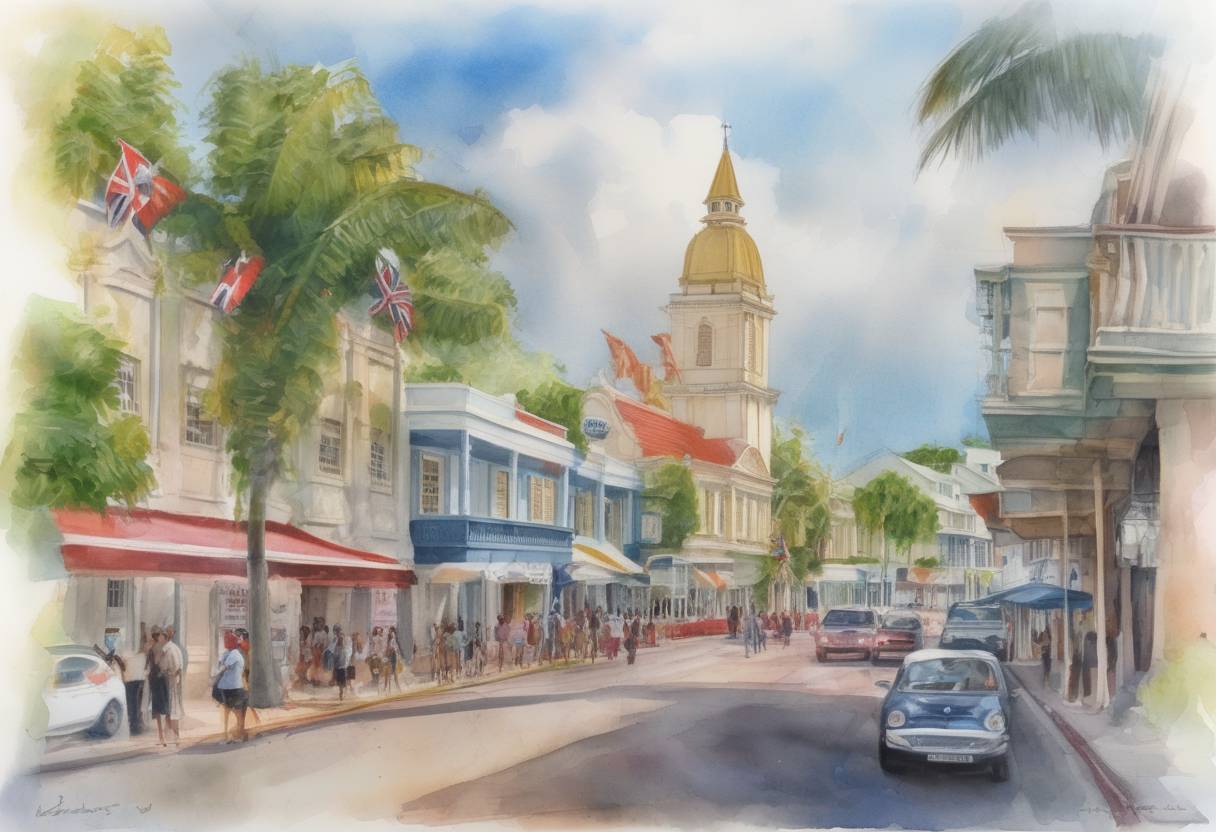
On November 30, 2021, Barbados officially transitioned from a constitutional monarchy to a republic, marking a significant shift in its political structure and national identity. This historic event involved removing Queen Elizabeth II as the head of state and inaugurating Sandra Mason as the first President of Barbados.
Barbados, a Caribbean island nation, gained independence from British colonial rule on November 30, 1966. Despite its independence, Barbados retained the British monarch as its ceremonial head of state, represented locally by a Governor-General. Over the years, there had been discussions and movements advocating for the complete severance of colonial ties and the establishment of a republic.
September 2020: The government of Barbados, led by Prime Minister Mia Mottley, announced plans to become a republic by the 55th anniversary of independence in 2021. This decision was part of a broader effort to assert national sovereignty and reflect the country’s post-colonial identity.
October 2021: The Barbadian Parliament passed the Constitution (Amendment) Bill 2021, which laid the legal groundwork for the transition to a republic. This legislation outlined the process for replacing the monarch with a president as the head of state.
October 20, 2021: Sandra Mason, who had been serving as the Governor-General of Barbados since 2018, was elected as the country’s first President by a two-thirds majority in a joint session of the Parliament.
The transition ceremony took place at midnight on November 30, 2021, coinciding with the 55th anniversary of Barbados’s independence. The event was held in the capital city, Bridgetown, and was attended by various dignitaries, including Prince Charles, representing the British monarchy.
During the ceremony, the Royal Standard flag was lowered, and the Presidential Standard was raised, symbolizing the official change in the head of state. Sandra Mason was sworn in as President, taking an oath to serve the people of Barbados.
The transition to a republic was a momentous occasion for Barbados, reflecting a desire to fully embrace its identity as an independent nation. It was seen as a step towards addressing the legacies of colonialism and reinforcing national pride.
National Identity: The move was celebrated as a reaffirmation of Barbadian culture and identity, allowing the nation to chart its own course without symbolic ties to its colonial past.
Regional Impact: Barbados’s transition to a republic sparked discussions in other Caribbean nations with similar constitutional arrangements, potentially influencing future political changes in the region.
International Relations: While the change altered the formal relationship with the British monarchy, Barbados remained a member of the Commonwealth of Nations, maintaining diplomatic and cultural ties with the UK and other member states.
The transition to a republic was a carefully planned and executed process, reflecting the democratic will of the Barbadian people and their aspirations for a future defined by self-determination and national pride.
Source: www.bbc.com