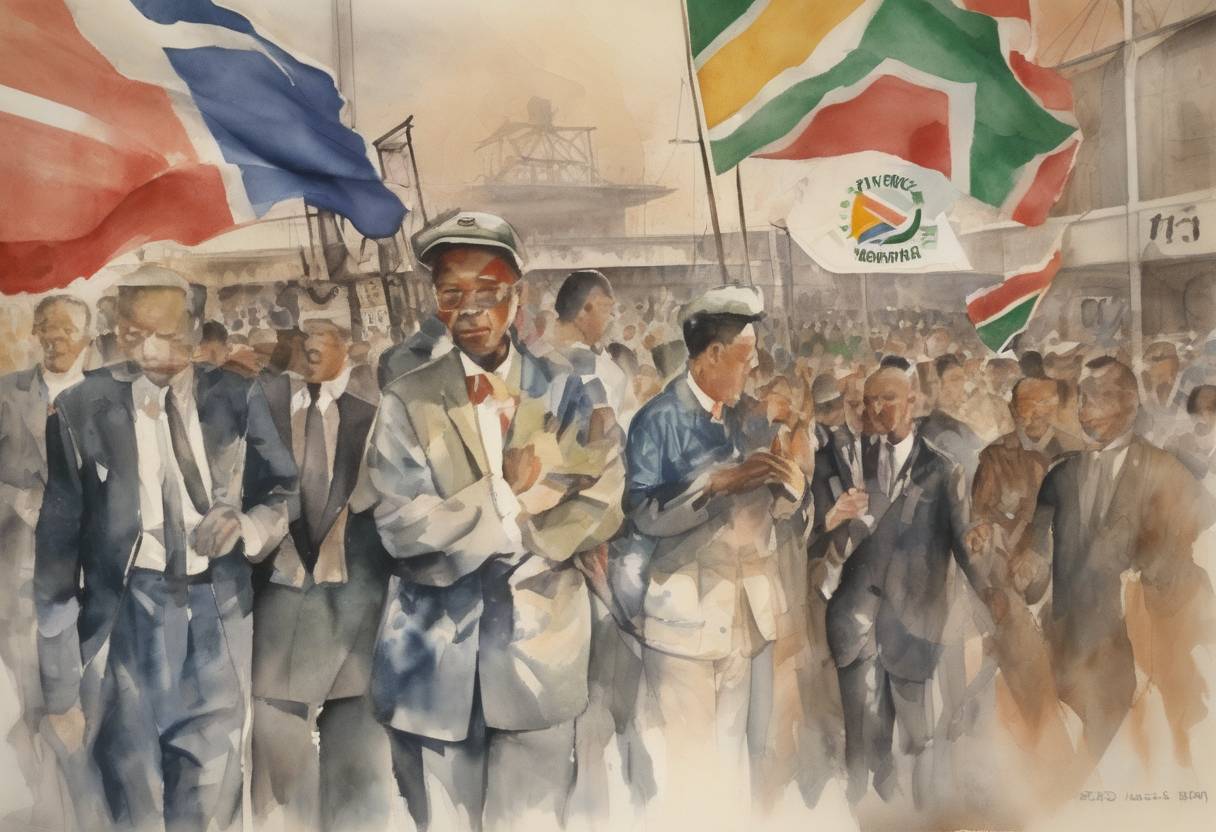
South Africa’s Olympic Ban Due to Apartheid Policies
On August 18, 1964, the International Olympic Committee (IOC) made a significant decision to ban South Africa from participating in the Olympic Games. This decision was a direct response to the country’s apartheid policies, a system of institutionalized racial segregation and discrimination enforced by the South African government from 1948 until the early 1990s.
Context and Background
Apartheid Policies: Apartheid was a policy of racial segregation and discrimination that affected all aspects of life in South Africa, including sports. The South African government enforced laws that separated races and privileged the white minority over the black majority and other racial groups.
International Pressure: By the early 1960s, there was growing international condemnation of apartheid. Many countries and organizations began to isolate South Africa in protest against its racial policies.
Sports and Apartheid: South Africa’s racial policies extended into sports, where teams were selected based on race, and interracial competition was prohibited. This was in direct violation of the Olympic Charter, which promotes equality and non-discrimination.
The Ban
IOC Decision: The IOC, under pressure from member nations and anti-apartheid activists, decided to ban South Africa from the 1964 Tokyo Olympics. This decision was made to uphold the Olympic principles of non-discrimination and equality.
Significance: The ban was a powerful statement against apartheid, highlighting the role of international sports organizations in promoting social justice and human rights.
Consequences and Aftermath
Isolation in Sports: The ban marked the beginning of South Africa’s isolation from international sports. Over the years, South Africa was excluded from various international competitions, including the FIFA World Cup and the Commonwealth Games.
Internal and External Pressure: The sports boycott was part of a broader international campaign against apartheid, which included economic sanctions and diplomatic pressure. These measures contributed to increasing internal dissent and pressure on the South African government to reform.
End of Apartheid and Reinstatement: As apartheid began to dismantle in the early 1990s, South Africa was gradually reintegrated into the international community. In 1991, the IOC lifted the ban, and South Africa was allowed to compete in the 1992 Barcelona Olympics, marking its return to the global sports arena.
Broader Historical Significance
The ban on South Africa from the Olympic Games was a pivotal moment in the global anti-apartheid movement. It demonstrated how international sports could be leveraged to promote social change and highlighted the global community’s role in challenging racial discrimination. The eventual lifting of the ban and South Africa’s return to the Olympics symbolized the country’s progress towards racial equality and reconciliation.