The Death of Eva Perón: July 26, 1952
1952 · Buenos Aires, Argentina
Eva Perón, First Lady of Argentina, dies of cancer, leading to widespread mourning in Argentina.
December 19, 2001
The Argentine economic crisis reached a critical point as President Fernando de la Rúa declared a state of emergency amid widespread protests and riots. The crisis was characterized by a severe recession, high unemployment, and a banking freeze.
Buenos Aires, Argentina | Government of Argentina
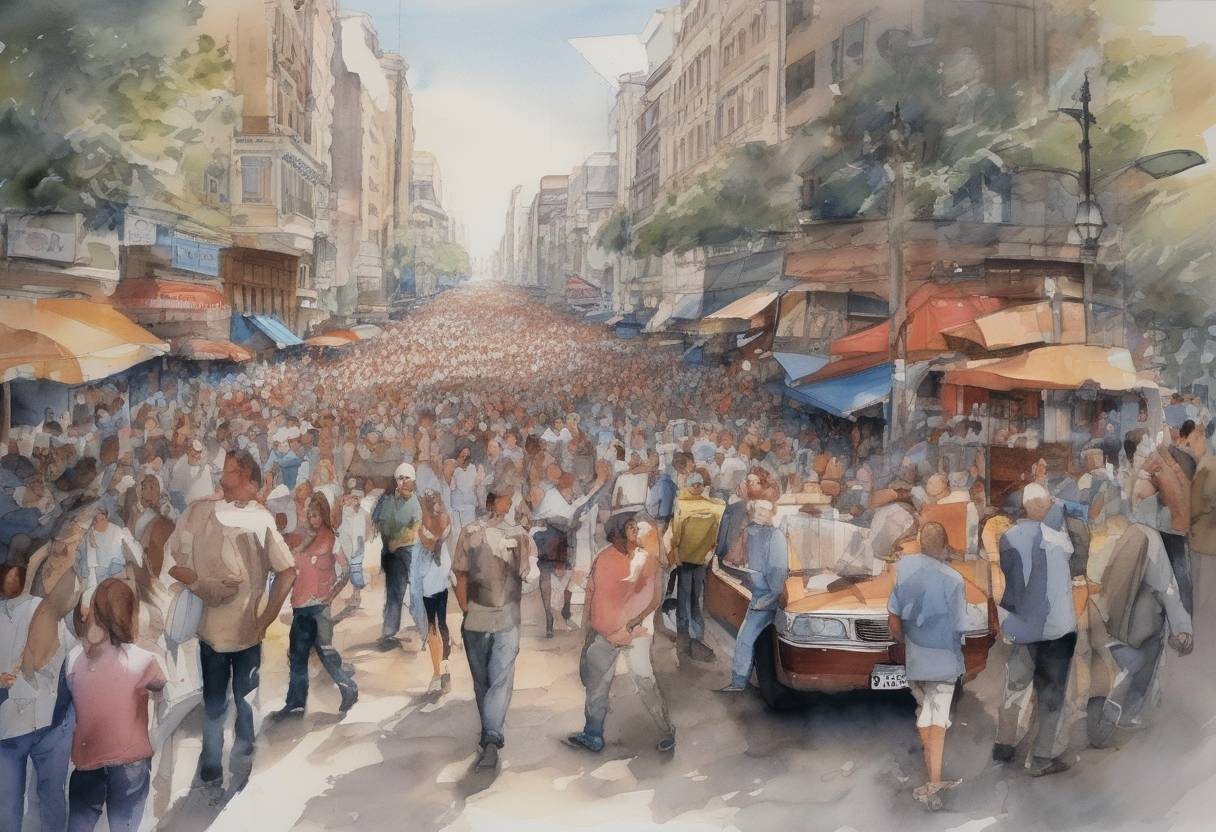
On December 19, 2001, Argentina’s economic crisis reached a critical juncture when President Fernando de la Rúa declared a state of emergency. This decision came amid widespread protests and riots, marking a significant moment in the country’s tumultuous economic history.
The crisis had been brewing for several years, rooted in a combination of domestic policy failures and external economic pressures:
Currency Peg: In 1991, Argentina pegged its currency, the peso, to the U.S. dollar at a one-to-one exchange rate. Initially, this helped curb hyperinflation but eventually led to a loss of competitiveness in international markets.
Debt Accumulation: Throughout the 1990s, Argentina accumulated significant foreign debt. The government’s reliance on borrowing to finance deficits became unsustainable as global economic conditions changed.
Recession: By the late 1990s, Argentina was in a deep recession. Economic growth stalled, and unemployment soared, exacerbating social tensions.
By December 2001, the situation had deteriorated dramatically:
Banking Freeze: In an attempt to prevent a run on the banks, the government imposed the “corralito,” a freeze on bank accounts that restricted cash withdrawals. This measure was deeply unpopular and led to widespread public outrage.
Social Unrest: The economic hardships sparked massive protests across the country. On December 19, 2001, these protests turned violent, with demonstrators clashing with police in Buenos Aires and other major cities.
State of Emergency: In response to the escalating violence and chaos, President de la Rúa declared a state of emergency. This move was intended to restore order but instead intensified public anger and unrest.
The events of December 19 were pivotal in Argentina’s economic and political landscape:
Resignation of President de la Rúa: Facing mounting pressure and unable to quell the unrest, President de la Rúa resigned on December 20, 2001, just one day after declaring the state of emergency.
Political Instability: The resignation led to a period of political instability, with several interim presidents taking office in rapid succession.
Economic Reforms: Eventually, the peso was devalued, and Argentina defaulted on its debt, leading to a series of economic reforms aimed at stabilizing the economy.
Long-term Impact: The crisis had lasting effects on Argentina’s economy and society, reshaping its political landscape and influencing future economic policies.
The Argentine economic crisis of 2001 remains a significant example of the challenges faced by countries dealing with currency pegs, debt accumulation, and economic mismanagement. It serves as a cautionary tale of the potential consequences of such policies.
Source: www.britannica.com