Nicolás Maduro's Second Term Inauguration - January 10, 2019
2019 · Caracas, Venezuela
Venezuelan President Nicolás Maduro is sworn in for a second term amid widespread international condemnation and allegations of election fraud.
February 23, 2019
Venezuelan opposition leader Juan Guaidó attempts to bring humanitarian aid into Venezuela from Colombia, leading to clashes at the border as President Nicolás Maduro's government blocks the aid, escalating the political crisis in the country.
Cúcuta, Colombia | Venezuelan Opposition
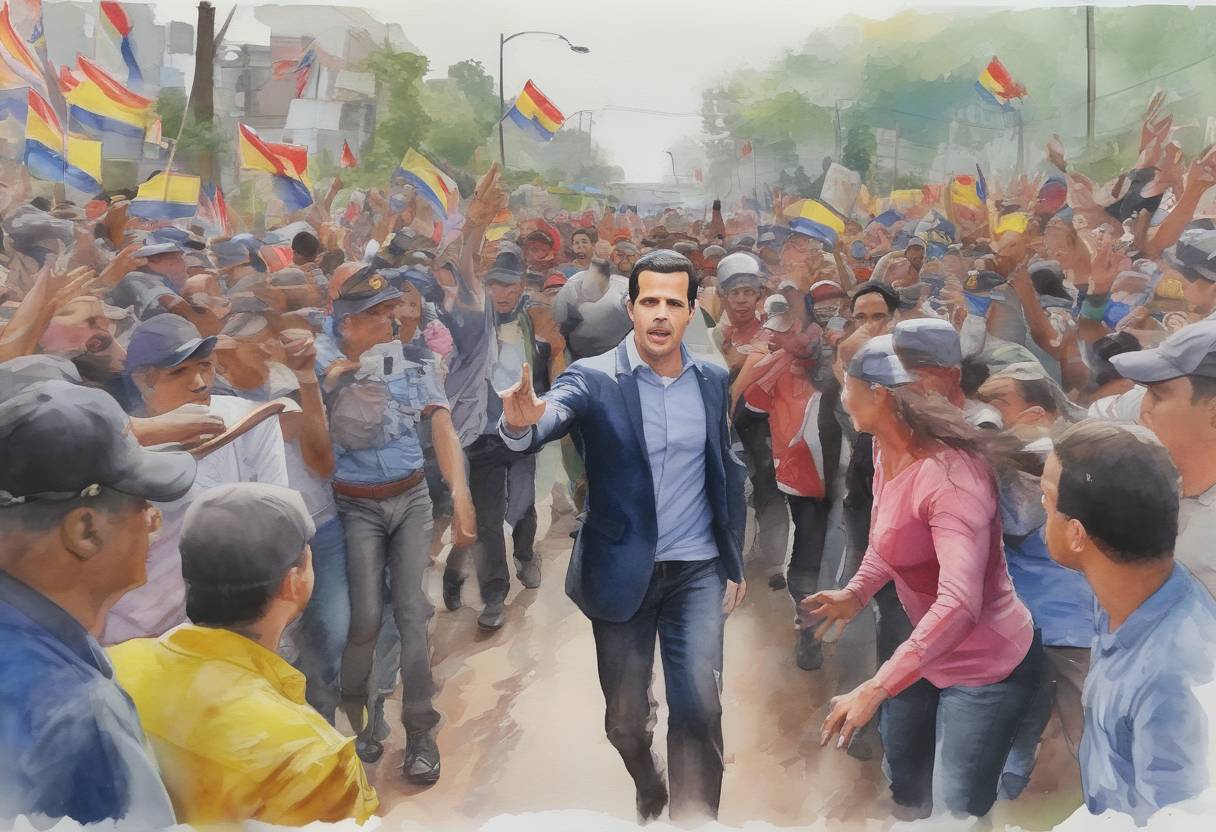
On February 23, 2019, a significant and tense episode unfolded in the ongoing Venezuelan political crisis. This day marked a critical attempt by Venezuelan opposition leader Juan Guaidó to bring humanitarian aid into Venezuela from Colombia. This effort was part of a broader strategy to alleviate the severe shortages of food and medicine in Venezuela and to challenge the authority of President Nicolás Maduro.
The crisis in Venezuela had been escalating for years, characterized by hyperinflation, widespread shortages, and a mass exodus of citizens. In January 2019, Juan Guaidó, the head of the National Assembly, declared himself interim president, challenging Maduro’s presidency, which he and many international observers considered illegitimate following the disputed 2018 elections.
Guaidó’s declaration was quickly recognized by the United States, several European countries, and most Latin American nations, intensifying the political standoff. The humanitarian aid initiative was seen as a pivotal move to undermine Maduro’s control and demonstrate Guaidó’s capacity to address the country’s dire needs.
Humanitarian Aid Convoy: On February 23, Guaidó and his supporters organized a convoy to transport humanitarian aid from Colombia into Venezuela. The aid, which included food and medical supplies, was amassed at the Colombian border town of Cúcuta.
Border Clashes: The attempt to bring aid into Venezuela was met with resistance from Maduro’s government, which viewed the aid as a pretext for foreign intervention. Venezuelan security forces, loyal to Maduro, blocked the border crossings, using shipping containers and other barriers.
Violence and Tension: The situation quickly escalated into violent clashes. Protesters supporting the aid effort faced off against Venezuelan security forces, resulting in injuries and, reportedly, several deaths. Tear gas and rubber bullets were used to disperse crowds, and there were reports of Venezuelan troops defecting to Colombia.
International Response: The international community closely monitored the situation. The United States and other countries condemned Maduro’s actions and called for the aid to be allowed into Venezuela. The Lima Group, a coalition of Latin American countries and Canada, also expressed support for Guaidó’s efforts.
The failure to deliver aid on February 23 did not resolve the political crisis but instead highlighted the deep divisions within Venezuela and the international community’s involvement. The event underscored the humanitarian plight facing Venezuelans and the complexities of the political impasse.
Continued Standoff: The standoff between Guaidó and Maduro persisted, with Guaidó continuing to seek international support and Maduro maintaining control over the military and key state institutions.
Humanitarian Impact: The humanitarian situation in Venezuela remained dire, with ongoing shortages and a deteriorating economy. The blocked aid highlighted the urgent need for international assistance and a political resolution.
International Diplomacy: The events of February 23 further galvanized international diplomatic efforts to address the crisis, though a definitive resolution remained elusive.
This day in history marked a significant moment in the Venezuelan crisis, illustrating the complexities of international aid, political legitimacy, and the struggle for power in a deeply divided nation.
Source: www.bbc.com