Election of Pope Martin V and the End of the Western Schism
On November 11, 1417, one of the most significant events in the history of the Catholic Church took place: the election of Pope Martin V, which effectively ended the Western Schism. This event was pivotal in restoring unity within the church after nearly four decades of division.
Context of the Western Schism
The Western Schism (1378–1417) was a period of significant ecclesiastical discord in the Catholic Church, marked by the simultaneous claim to the papacy by rival factions. It began with the election of two popes in 1378: Urban VI in Rome and Clement VII in Avignon. This division was further complicated as a third pope, Alexander V, was elected during the Council of Pisa in 1409, intending to resolve the schism but instead deepening it.
The Council of Constance
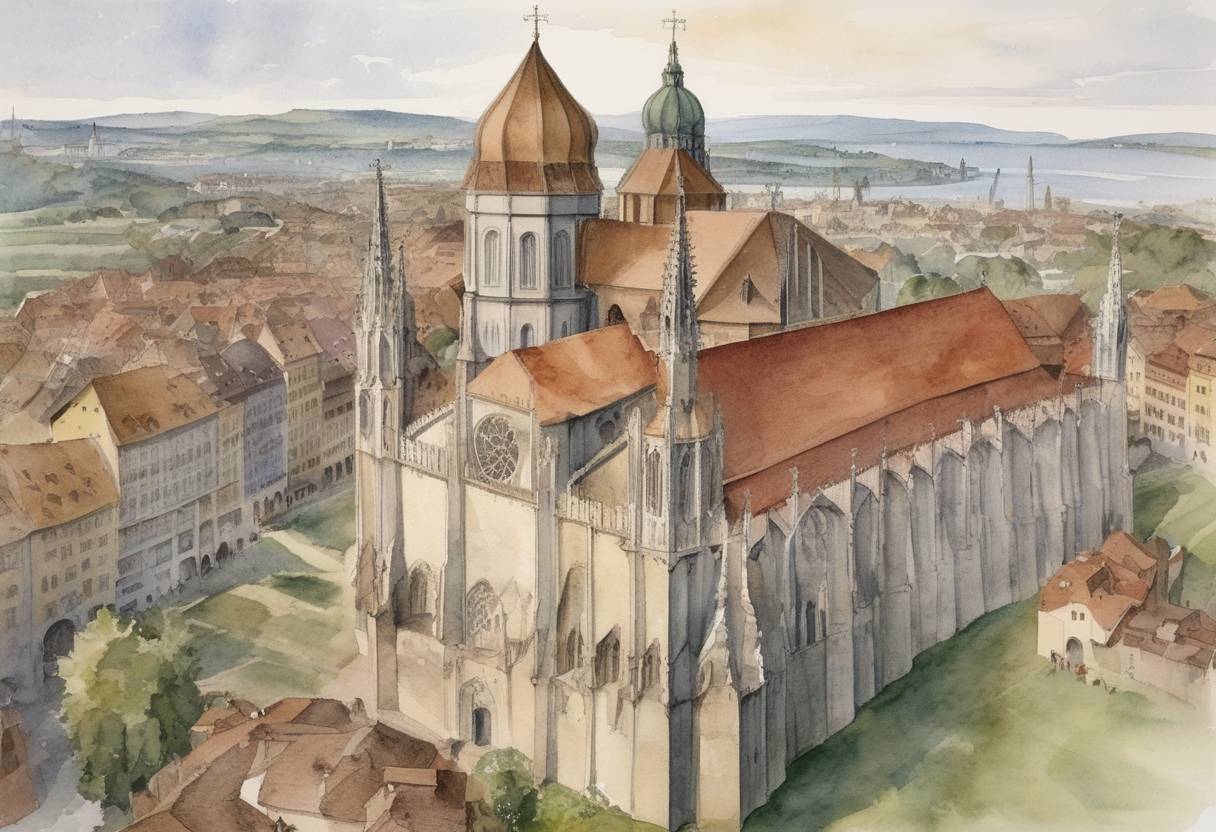
Held from 1414 to 1418, the Council of Constance was called by the Holy Roman Emperor Sigismund and was crucial in addressing the schism. One of its primary objectives was to end the division by deposing or securing the abdication of all rival papal claimants and electing a consensus pope.
The council successfully deposed the reigning Popes: John XXIII (Pisan pope) fled the council and was later captured and deposed in 1415; Benedict XIII (Avignon pope) was largely ignored and excommunicated in 1417; Gregory XII (Roman pope) graciously abdicated in 1415, agreeing to the council’s decision.
Election of Martin V
On November 11, 1417, the council elected Cardinal Oddone Colonna as Pope Martin V. His election marked the conclusion of the Western Schism as he became the sole pope recognized by the entirety of the church, thereby restoring papal authority and church unity.
Aftermath and Significance
Pope Martin V’s election brought much-needed stability to the Catholic Church. His papacy was marked by efforts to address administrative and ecclesiastical reforms necessary after the schism. Martin V’s election signified not just the end of a significant ecclesiastical crisis but also the reassertion of the papacy’s central authority in Christendom, setting the stage for the future political and spiritual role of the church in Europe.
In conclusion, the election of Pope Martin V on November 11, 1417, solidified the unity of the Catholic Church after a protracted period of rivalry and discord, demonstrating the Council of Constance’s critical role in navigating and resolving significant theological and political issues within the church.