Sue Gray Report on COVID-19 Lockdown Parties
2022 · London, United Kingdom
The UK's Sue Gray report on parties held during COVID-19 lockdowns was published, causing significant political controversy for Prime Minister Boris Johnson's government.
April 6, 2020
British Prime Minister Boris Johnson was moved to intensive care after his COVID-19 symptoms worsened, drawing global attention to the severity of the pandemic and affecting the UK's leadership.
London, United Kingdom | UK Government
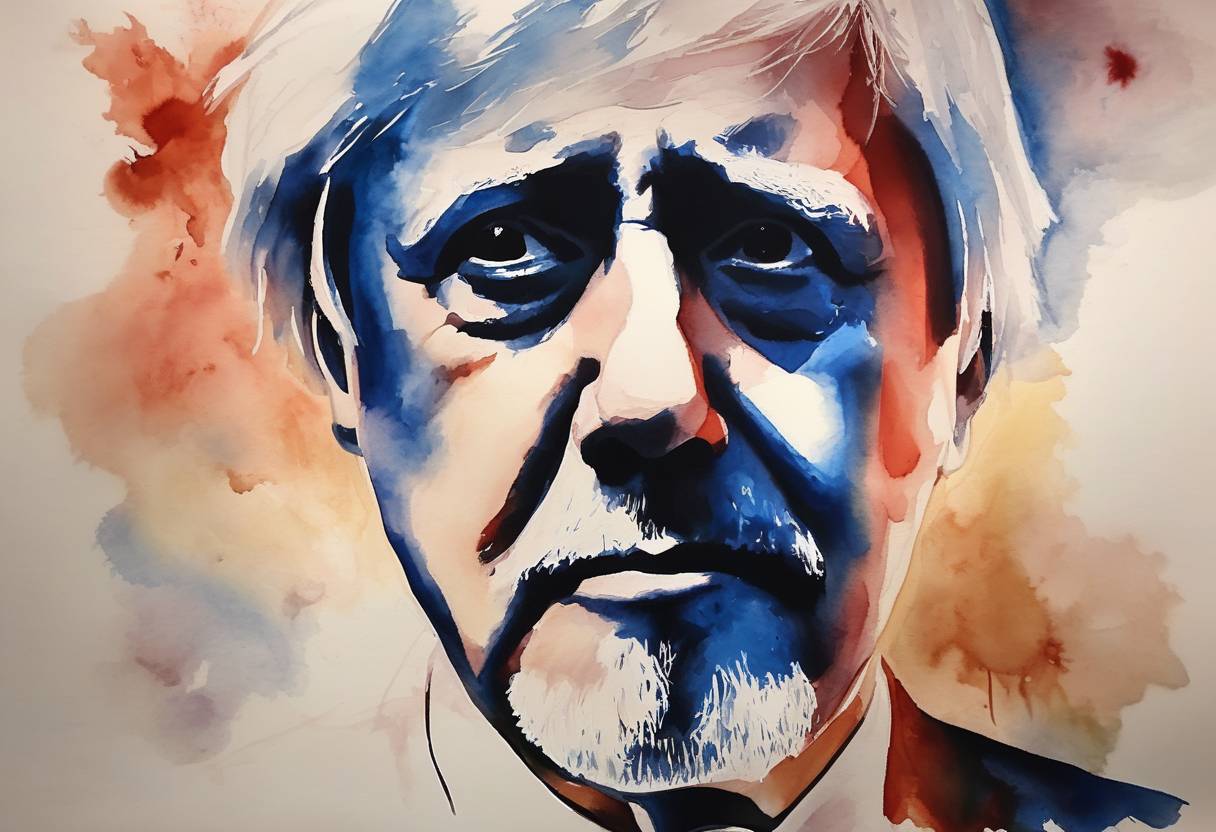
On April 6, 2020, British Prime Minister Boris Johnson was transferred to the intensive care unit (ICU) at St Thomas’ Hospital in London after his COVID-19 symptoms worsened. This event underscored the global impact of the COVID-19 pandemic and highlighted the vulnerabilities faced by leaders worldwide during this crisis.
Boris Johnson tested positive for COVID-19 on March 27, 2020, becoming the first major world leader to announce such a diagnosis. Initially self-isolating at Downing Street, he continued to manage government affairs remotely. However, as the days progressed, his symptoms—particularly a persistent cough and fever—did not improve.
By April 5, Johnson’s condition had deteriorated to the point where he was admitted to St Thomas’ Hospital as a precautionary measure. The following day, his situation worsened significantly, prompting doctors to move him to the intensive care unit at 7 p.m. GMT. Although he was not placed on a ventilator, he received oxygen support, indicating the gravity of his condition.
The news of Johnson’s transfer to ICU created a wave of concern both domestically and internationally. Messages of support and wishes for a speedy recovery poured in from world leaders, affirming solidarity during the pandemic’s challenges. Domestically, it raised immediate questions about the continuity of government operations.
Foreign Secretary Dominic Raab, then the First Secretary of State, was assigned to deputize for Johnson “where necessary,” a move that highlighted the importance of establishing clear leadership roles during a period of uncertainty.
Johnson’s hospitalization had a significant impact on public perception of the COVID-19 pandemic in the UK. It served as a stark reminder of the seriousness of the virus and the indiscriminate nature of its threat. This development prompted further public discourse on the adequacy of government responses to the pandemic and reinforced the need for strict adherence to health guidelines.
The leadership transition, albeit temporary, ensured that governmental functions continued despite the Prime Minister’s incapacitation. It also acted as a critical juncture in the UK’s COVID-19 strategy, emphasizing the importance of preparedness and stability in government roles during national emergencies.
Johnson’s illness and subsequent recovery, which saw him return to public duties later in April, became a part of the broader narrative of the pandemic’s impact on political leadership worldwide.
Source: www.bbc.com