Latvia Declares Independence from the Soviet Union
1991 · Riga, Latvia
Latvia declares its independence from the Soviet Union following the failed coup attempt in Moscow.
August 5, 1940
Latvia is incorporated into the Soviet Union as a constituent republic.
Riga, Latvia | Soviet Union
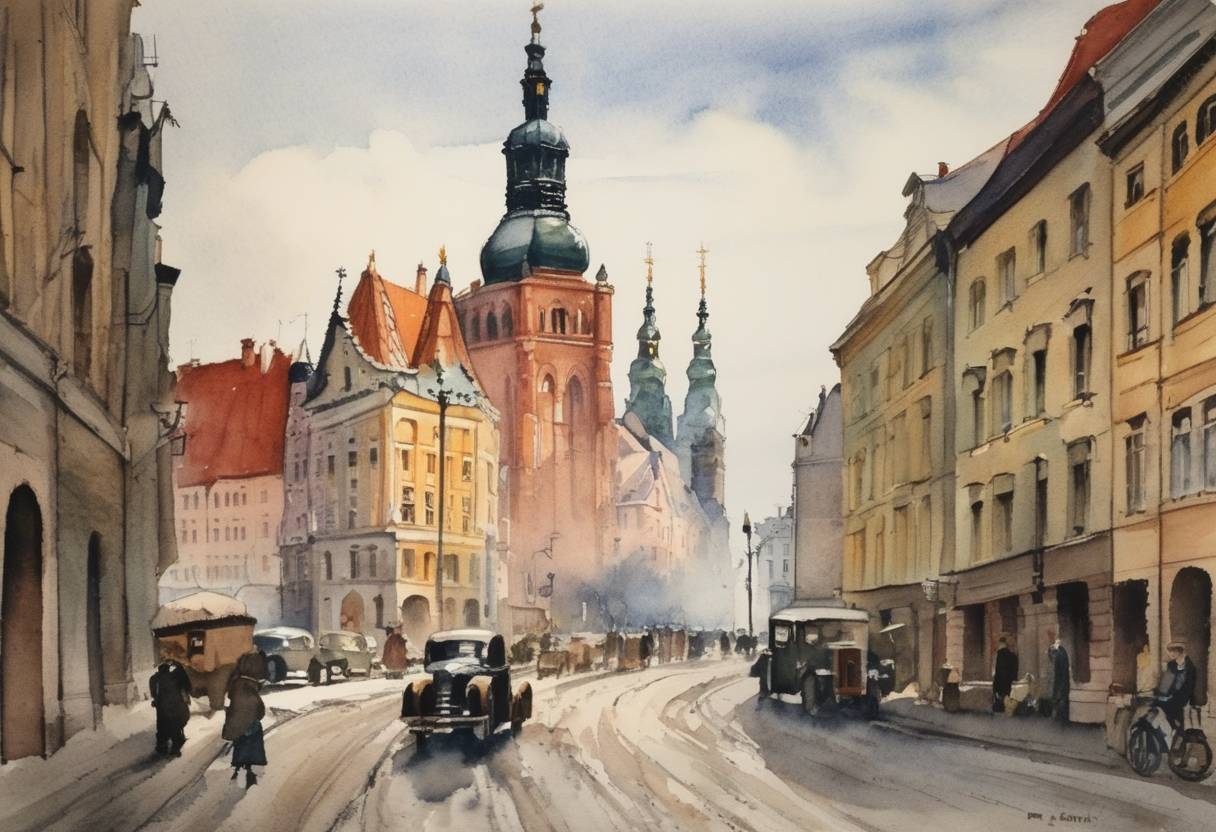
On August 5, 1940, Latvia was incorporated into the Soviet Union as the Latvian Soviet Socialist Republic. This significant and controversial transition marked the end of Latvia’s independence, which it had maintained since the end of World War I, and the onset of its integration into the Soviet socialist state.
The incorporation of Latvia into the Soviet Union was preceded by a series of geopolitical maneuvers rooted in the tumultuous environment of World War II. Initially, in 1939, the Molotov-Ribbentrop Pact, a non-aggression treaty between the Soviet Union and Nazi Germany, created spheres of influence in Eastern Europe, effectively setting the stage for Soviet control over the Baltic states.
In June 1940, following the Soviet ultimatum and subsequent occupation, Soviet forces entered Latvia. By July, under intense pressure and amidst a Soviet military presence, a series of pro-Soviet activities culminated in a rigged election. The election results purportedly favored the establishment of a new government that later requested admission into the Soviet Union.
On August 5, 1940, the Supreme Soviet, the governing entity of the Soviet Union, formally accepted Latvia’s annexation as the Latvian SSR. This action officially signaled the end of the Latvian Republic’s sovereignty and integrated Latvia as one of the republics in the Soviet Union.
The annexation had profound impacts:
The events of August 5, 1940, are a significant marker in Latvian history, symbolizing both the harsh realities of occupation and the resilience of Latvian national identity.
Source: en.wikipedia.org