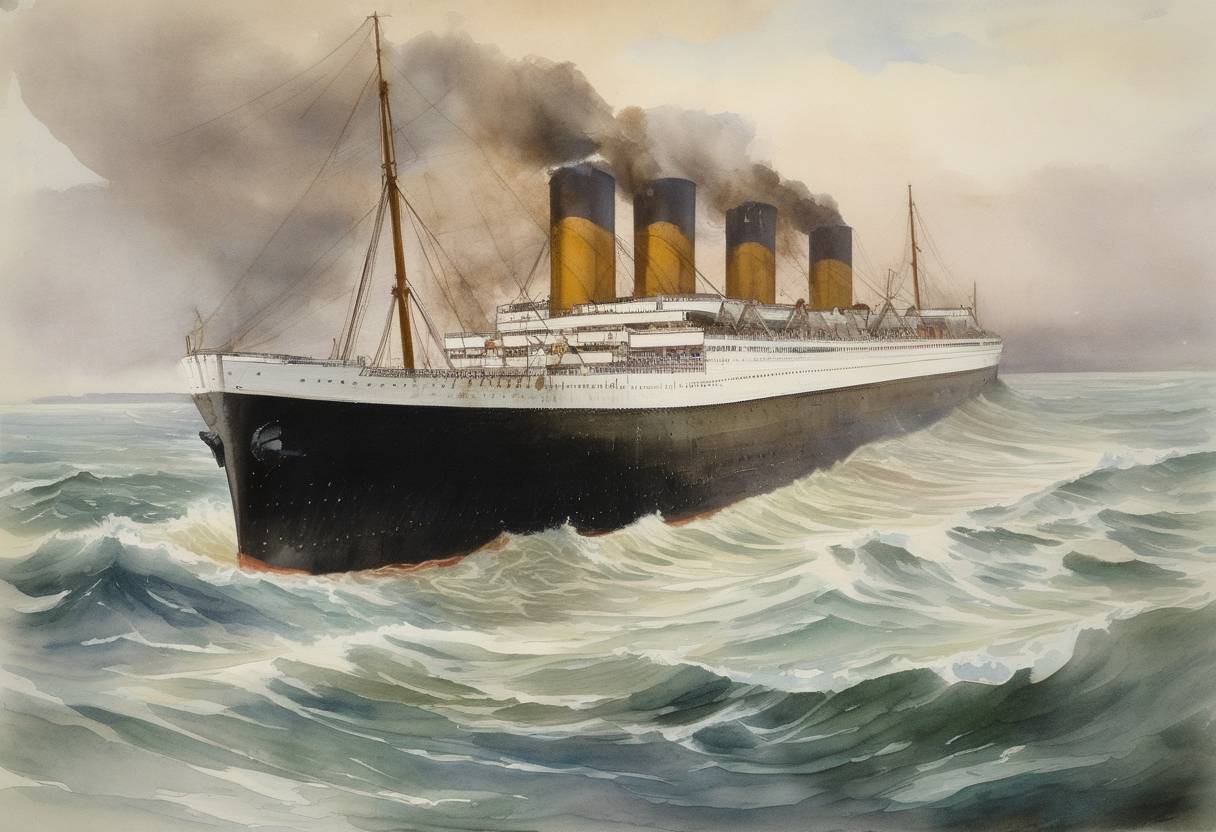
Sinking of SS Afrique: February 4, 1902
On February 4, 1902, the French passenger liner SS Afrique tragically sank off the coast of Soulac-sur-Mer in southwestern France. This maritime disaster resulted in the loss of numerous lives and had a lasting impact on the communities involved and maritime safety protocols of the time.
Background and Voyage
The SS Afrique was a passenger steamship of the Compagnie Française de Navigation à Vapeur Cyprien Fabre & Cie, commonly known as the Fabre Line. The vessel was engaged in a regular route, primarily focusing on passenger transport between France and West African destinations. On this particular voyage, the SS Afrique was en route from Bordeaux, a prominent port city in France, to various ports on the West African coast.
The Tragedy
During the night of February 3, 1902, the ship encountered severe weather conditions, including strong winds and heavy seas, while navigating the treacherous waters near the southwestern coast of France. By the early hours of February 4, the conditions had deteriorated significantly, leading to the ship’s grounding off the coast of Soulac-sur-Mer.
Efforts to control and salvage the ship were hampered by the relentless storm. Unable to maneuver out of its perilous position, the SS Afrique succumbed to the sea amidst the relentless forces of nature. An estimated 170 people, comprising passengers and crew, perished in the disaster, making it one of the deadliest maritime tragedies in French waters of its time.
Aftermath and Impact
The sinking of the SS Afrique sent shockwaves through France and the broader maritime community. It highlighted the dangers of seafaring in difficult weather conditions and underscored the need for enhanced safety measures. Public mourning followed, and many victims’ families faced profound losses.
In response to the disaster, inquiries examined the causes and contributing factors of the tragedy. This, in turn, led to discussions on improving ship design, safety protocols, and passenger training to prevent similar incidents in the future.
Historical Significance
Although overshadowed by other maritime disasters in global history, the sinking of the SS Afrique remains a poignant reminder of the risks faced by early 20th-century sea travel. It serves as a case study for the evolution of maritime safety regulations and the perpetual human endeavor to tackle the challenges posed by unforgiving natural elements.