Discovery of the Antarctic Continent - January 28, 1820
1820 · Antarctica, Antarctica
The Antarctic continent was first discovered by the Russian expedition led by Fabian Gottlieb von Bellingshausen and Mikhail Lazarev on the ships Vostok and Mirny.
November 17, 1820
Captain Nathaniel Palmer, an American seal hunter, sighted the continent of Antarctica.
Palmer Land, Antarctica
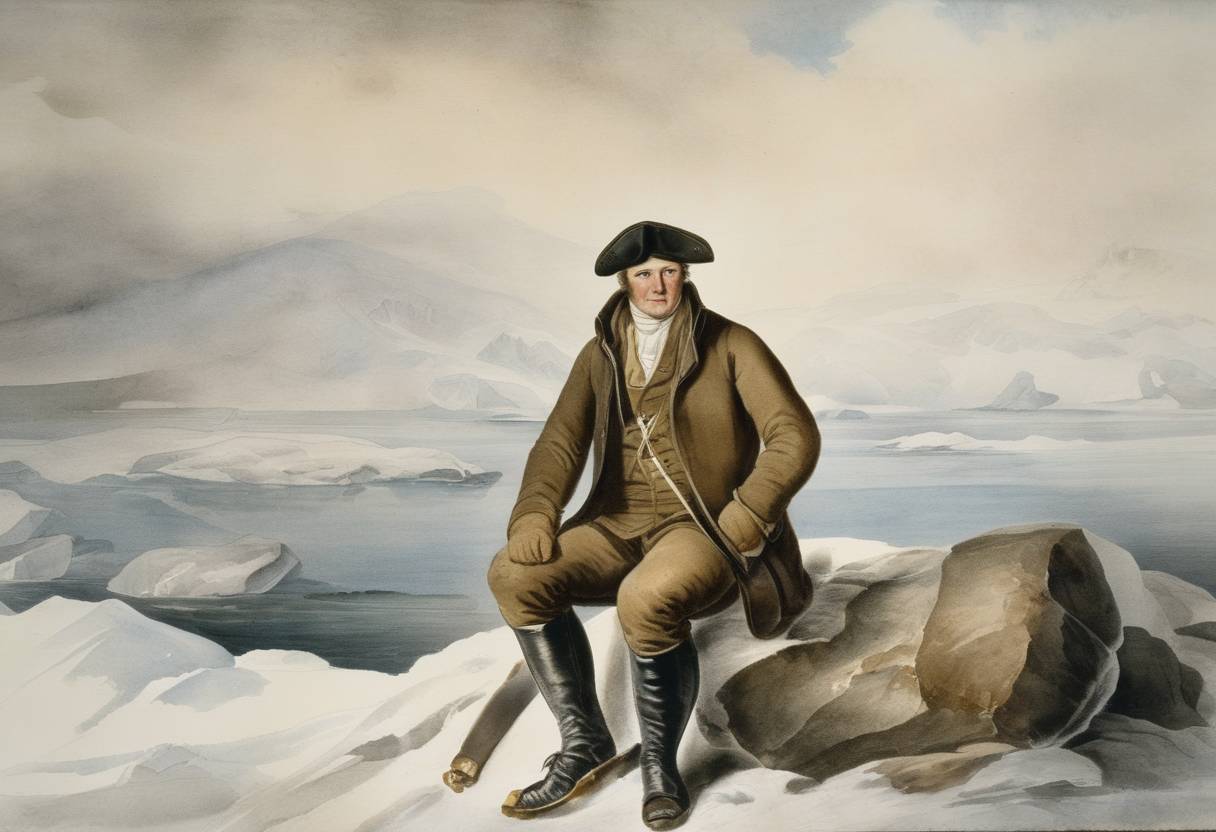
On November 17, 1820, the American seal hunter and explorer Captain Nathaniel Brown Palmer became one of the first Americans to set eyes on the continent of Antarctica. Born in Stonington, Connecticut, Palmer was a seasoned mariner known for his skills in navigation and seal hunting.
During the early 19th century, the demand for seal skins was immense, driving numerous expeditions toward the frigid and little-known southern seas. The commercial seal hunting industry sought new territories as the populations of seals diminished in more accessible areas.
The race to discover new lands in the southern hemisphere was not only fueled by commercial interests but also by scientific curiosity and national pride. Several explorers from different nations were venturing into these icy waters, revealing uncharted territories and contributing to the world’s understanding of geography.
Palmer first sighted Antarctica while navigating the ice-choked waters near the Antarctic Peninsula. His observations marked one of the earliest recorded instances of this continental sighting by an American.
Palmer’s exploration took him to what is now known as Palmer Land on the Antarctic Peninsula, named in his honor. His reports contributed to the mapping and understanding of the region and solidified his place in the history of polar exploration.
Palmer’s legacy lives on, not only in the geographical namesakes but also in the recognition of his role in the age of discovery and mapping of Antarctica, a vital addition to the global map during a time of intense scientific curiosity and exploratory ambition.
Source: www.south-pole.com