Jakarta Attacks of January 14, 2016
On January 14, 2016, a series of orchestrated explosions and gunfire attacks took place in Jakarta, Indonesia, marking a significant instance of violence attributed to the influence of global terrorism. These attacks were claimed by the Islamic State of Iraq and the Levant (ISIL), underscoring the group’s effort to extend its reach in Southeast Asia.
The Attack
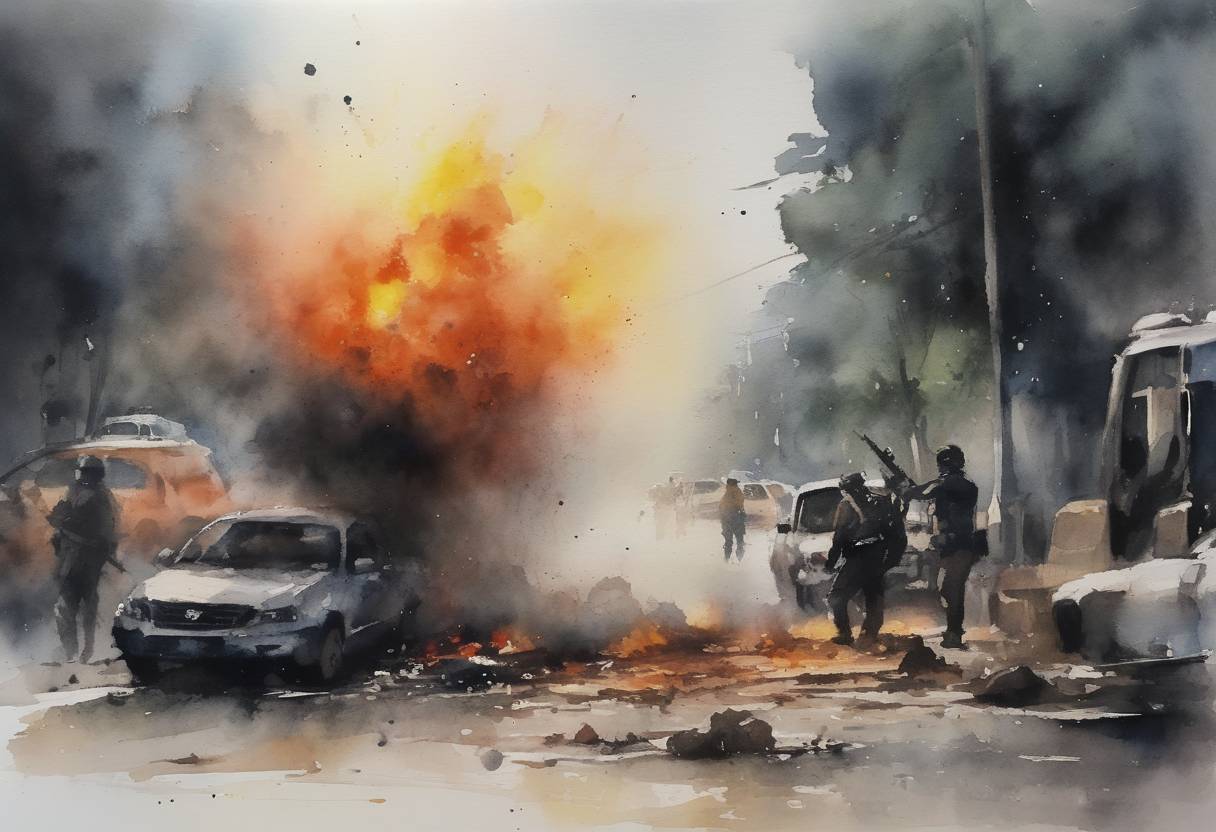
The assaults began in the late morning at a bustling intersection near the Sarinah department store, located in the heart of Jakarta. The synchronized attacks involved multiple explosions, one of which was a suicide bomb detonated in a crowded area, alongside a series of gunfights between attackers and Indonesian police forces.
- Explosions: The attackers utilized grenades and explosives to initiate widespread chaos, targeting civilians and law enforcement officials.
- Gunfire: Following the blasts, armed assailants engaged in a shootout, aiming to provoke panic and maximize casualties.
Casualties and Response
The attack resulted in the deaths of four civilians, including both locals and a foreign national. Additionally, four of the perpetrators were killed during the confrontation with police forces. Security forces rapidly responded, managing to neutralize the threat within hours, thus preventing further loss of life.
- Injuries: More than 20 individuals sustained injuries, highlighting the attack’s impact on bystanders and emergency response personnel.
- Security Measures: In the immediate aftermath, the Indonesian government increased security measures across the capital and other major cities to avert possible subsequent attacks.
Broader Context and Aftermath
These incidents represented one of the first major terror attacks in Jakarta since the 2009 hotel bombings, prompting significant concern within both national and international communities. The attack not only illustrated the reach of ISIL’s ideological influence but also underscored Indonesia’s vulnerabilities to extremist activities despite its robust counter-terrorism efforts.
- Global Condemnation: The attacks were widely condemned by international leaders and organizations, reaffirming solidarity with Indonesia in its fight against terrorism.
- Policy Implications: The events spurred the Indonesian government to refine its counter-terrorism strategies, enhancing intelligence coordination and community engagement to prevent radicalization.
Historical Significance
This event marked a critical moment in Indonesia’s ongoing challenges with terrorism. It showcased the persistent threat posed by international terrorist networks and the need for robust global cooperation to combat such manifestations of violence. The Jakarta attacks underscored the importance of vigilance and collective efforts in addressing the roots of extremism within and beyond Indonesia’s borders.