Nobel Prize in Literature Awarded to Tomas Tranströmer
2011 · Stockholm, Sweden
The Nobel Prize in Literature was awarded to Swedish poet Tomas Tranströmer.
October 8, 1970
The Soviet Union's Alexander Solzhenitsyn is awarded the Nobel Prize in Literature for his work on exposing the Soviet Union's forced labor camp system.
Stockholm, Sweden | Nobel Prize Committee
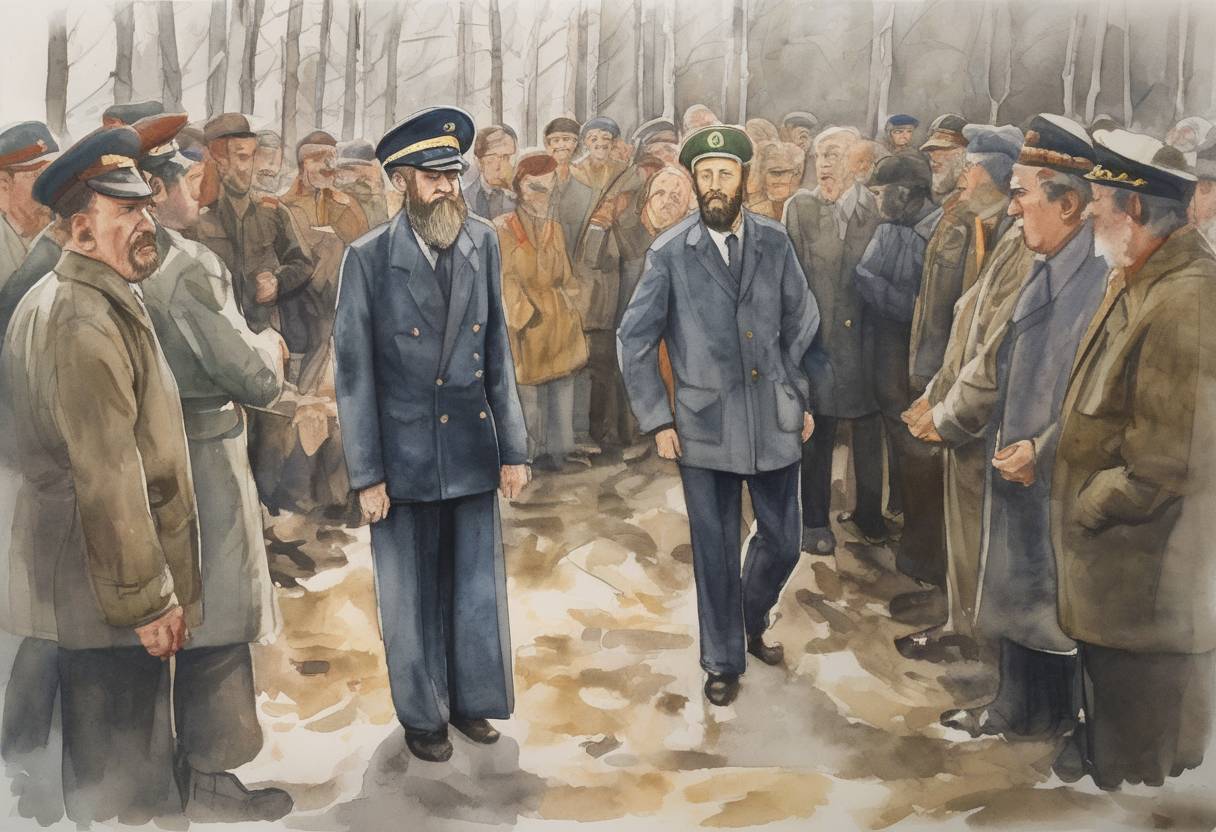
On October 8, 1970, Alexander Solzhenitsyn, a Russian novelist and outspoken critic of the Soviet Union, was awarded the Nobel Prize in Literature. This recognition was primarily for his courageous and impactful work in exposing the brutal realities of the Soviet Union’s forced labor camp system, known as the Gulag.
Alexander Solzhenitsyn was born on December 11, 1918, in Kislovodsk, Russia. He served in the Soviet Army during World War II but was arrested in 1945 for criticizing Joseph Stalin in private correspondence. Solzhenitsyn was sentenced to eight years in a labor camp, followed by internal exile. His experiences in the Gulag profoundly influenced his writing.
Solzhenitsyn’s most notable works include:
“One Day in the Life of Ivan Denisovich” (1962): This novella was the first major literary work to openly discuss the harsh conditions of the Soviet labor camps. It was published during the Khrushchev Thaw, a brief period of political liberalization in the Soviet Union.
“The Gulag Archipelago” (published in the West in 1973): This extensive three-volume work provided a detailed and harrowing account of the Soviet forced labor camp system. It was based on Solzhenitsyn’s own experiences and the testimonies of other prisoners.
The Nobel Committee awarded Solzhenitsyn the prize “for the ethical force with which he has pursued the indispensable traditions of Russian literature.” His works were not only literary achievements but also significant historical documents that shed light on the oppressive nature of the Soviet regime.
Soviet Reaction: The Soviet government was outraged by the Nobel Committee’s decision. Solzhenitsyn was not allowed to travel to Stockholm to receive the prize, and his works were banned in the Soviet Union.
Exile: In 1974, Solzhenitsyn was arrested, stripped of his Soviet citizenship, and exiled to West Germany. He later moved to the United States, where he continued to write and speak against the Soviet regime.
Legacy: Solzhenitsyn’s works played a crucial role in raising global awareness about the human rights abuses in the Soviet Union. His writings contributed to the eventual dissolution of the Soviet Union and remain influential in discussions about totalitarianism and freedom.
Alexander Solzhenitsyn’s receipt of the Nobel Prize in Literature was a pivotal moment in the Cold War era, highlighting the power of literature to challenge oppressive systems and advocate for human rights.
Source: www.nobelprize.org