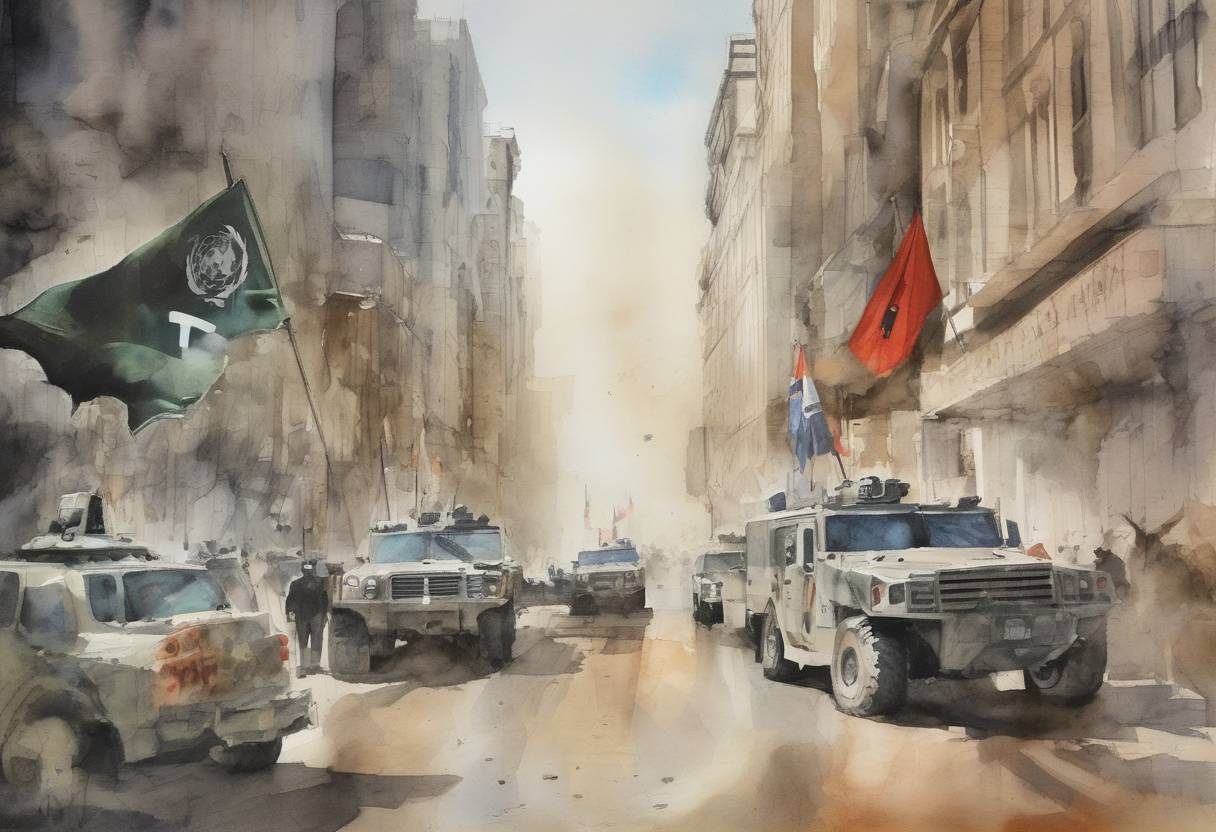
United Nations Security Council Resolution 1973
On March 17, 2011, the United Nations Security Council (UNSC) adopted Resolution 1973, a pivotal decision during the Libyan Civil War. This resolution authorized the establishment of a no-fly zone over Libya and sanctioned military intervention to protect civilians under threat from the escalating conflict.
Context Leading to the Resolution
The Libyan Civil War began in February 2011, as part of the wider wave of the Arab Spring. Protests against the regime of Muammar Gaddafi quickly escalated into an armed conflict between government forces and rebel groups. Gaddafi’s forces responded with significant violence against civilians and rebel-held areas, prompting international concern over potential humanitarian crises.
Key Provisions of Resolution 1973
Resolution 1973 was passed with ten votes in favor and five abstentions (Brazil, China, Germany, India, and Russia). The resolution included several critical measures:
No-Fly Zone: The resolution established a no-fly zone over Libya to prevent Gaddafi’s forces from launching air attacks on civilians and rebel positions.
Protection of Civilians: It authorized member states to take “all necessary measures” to protect civilians and civilian-populated areas under threat of attack, excluding a foreign occupation force.
Arms Embargo and Asset Freeze: The resolution reinforced an arms embargo and called for the freezing of assets belonging to Gaddafi and his close associates.
Ban on Flights: It prohibited all flights in Libyan airspace unless specifically authorized for humanitarian purposes.
Implementation and Consequences
Following the adoption of Resolution 1973, a coalition of NATO and non-NATO countries, including the United States, the United Kingdom, and France, initiated military operations. These operations began with airstrikes against Libyan military targets to enforce the no-fly zone and protect civilians.
The intervention played a significant role in shifting the balance of power in the conflict, ultimately leading to the fall of Gaddafi’s regime later in 2011. However, the aftermath of the intervention and the subsequent power vacuum contributed to ongoing instability and conflict within Libya.
Broader Historical Significance
Resolution 1973 marked a significant moment in international relations, highlighting the international community’s willingness to intervene militarily for humanitarian purposes under the doctrine of the Responsibility to Protect (R2P). It also sparked debates about the effectiveness and consequences of such interventions, influencing future international responses to civil conflicts and humanitarian crises.
In summary, UNSC Resolution 1973 was a decisive action aimed at protecting civilians during the Libyan Civil War, with lasting implications for Libya and international policy on humanitarian interventions.