217 · Carrhae, Roman Empire
The Roman Emperor Caracalla is assassinated by a soldier named Justin Martialis, under the orders of Macrinus, who then becomes emperor.
February 4, 0211
Roman Emperor Septimius Severus died in Eboracum (modern-day York, England). His death marked the end of his reign and the beginning of a power struggle between his sons, Caracalla and Geta.
Eboracum (York), Roman Empire (modern-day United Kingdom) | Roman Empire
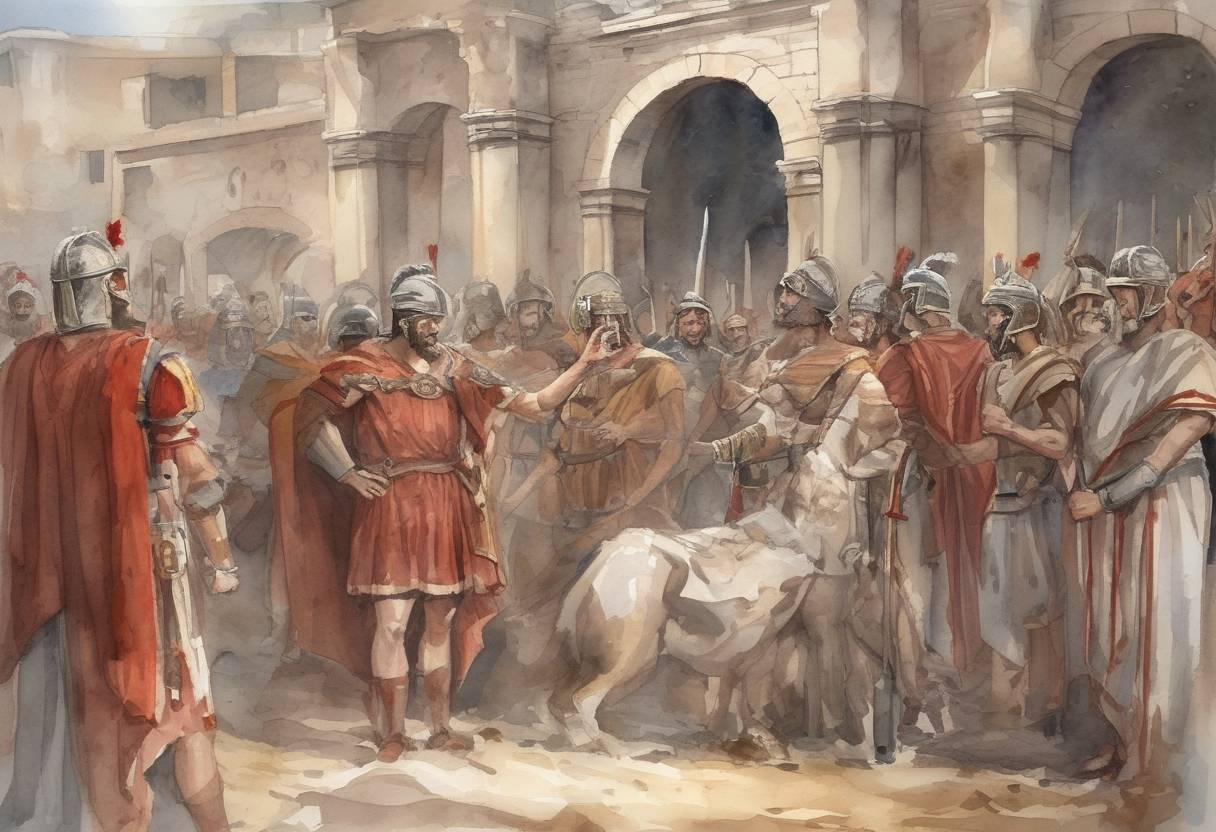
On February 4, 211, Roman Emperor Septimius Severus died in Eboracum, known today as York, England. His death marked the conclusion of a significant reign and set the stage for a turbulent period of power struggle between his sons, Caracalla and Geta.
Septimius Severus, born on April 11, 145, in Leptis Magna (modern-day Libya), rose to power during a time of instability in the Roman Empire. He became emperor in 193 AD after the tumultuous Year of the Five Emperors, a period marked by rapid changes in leadership and civil unrest. Severus established the Severan dynasty and is credited with stabilizing the empire through military strength and administrative reforms.
Military Campaigns: Severus was known for his military prowess, expanding the empire’s boundaries and securing its frontiers. He conducted successful campaigns in the East against the Parthian Empire and in Africa.
Legal and Administrative Reforms: He implemented significant reforms in the Roman legal system and administration, strengthening the central authority of the emperor and reducing the power of the Senate.
Architectural Contributions: Severus invested in monumental architecture, including the Arch of Septimius Severus in Rome, which commemorated his victories.
Severus spent his final years campaigning in Britain, aiming to consolidate Roman control over the region. His health deteriorated during the campaign, and he died in Eboracum on February 4, 211. His death left the empire in the hands of his two sons, Caracalla and Geta, whom he had appointed as co-emperors.
The transition of power was fraught with tension:
Sibling Rivalry: The relationship between Caracalla and Geta was notoriously strained. Despite their father’s efforts to ensure a peaceful succession, the brothers were unable to share power effectively.
Assassination of Geta: The rivalry culminated in December 211 when Caracalla orchestrated the assassination of Geta, consolidating power as the sole emperor. This act of fratricide was followed by a purge of Geta’s supporters, further destabilizing the empire.
The death of Septimius Severus and the subsequent power struggle between his sons had lasting impacts on the Roman Empire:
Severan Dynasty: The Severan dynasty continued to rule until 235 AD, but the internal conflicts weakened the imperial structure.
Military Influence: Severus’s reign marked a shift towards a more militarized empire, with increased reliance on the army for political stability.
Legacy: Despite the turmoil following his death, Severus is remembered for his contributions to the empire’s military and administrative systems, which influenced Roman governance for years to come.
In summary, the death of Septimius Severus in 211 AD was a pivotal moment in Roman history, leading to a period of internal conflict and setting the stage for future challenges within the empire.
Source: en.wikipedia.org