Fox Film Buys Movietone Sound System Patents - July 23, 1926
1926 · New York City, United States
Fox Film buys the patents of the Movietone sound system for recording sound onto film.
February 25, 1901
J.P. Morgan incorporated the United States Steel Corporation, which became the world's first billion-dollar corporation.
New York City, United States | J.P. Morgan & Co.
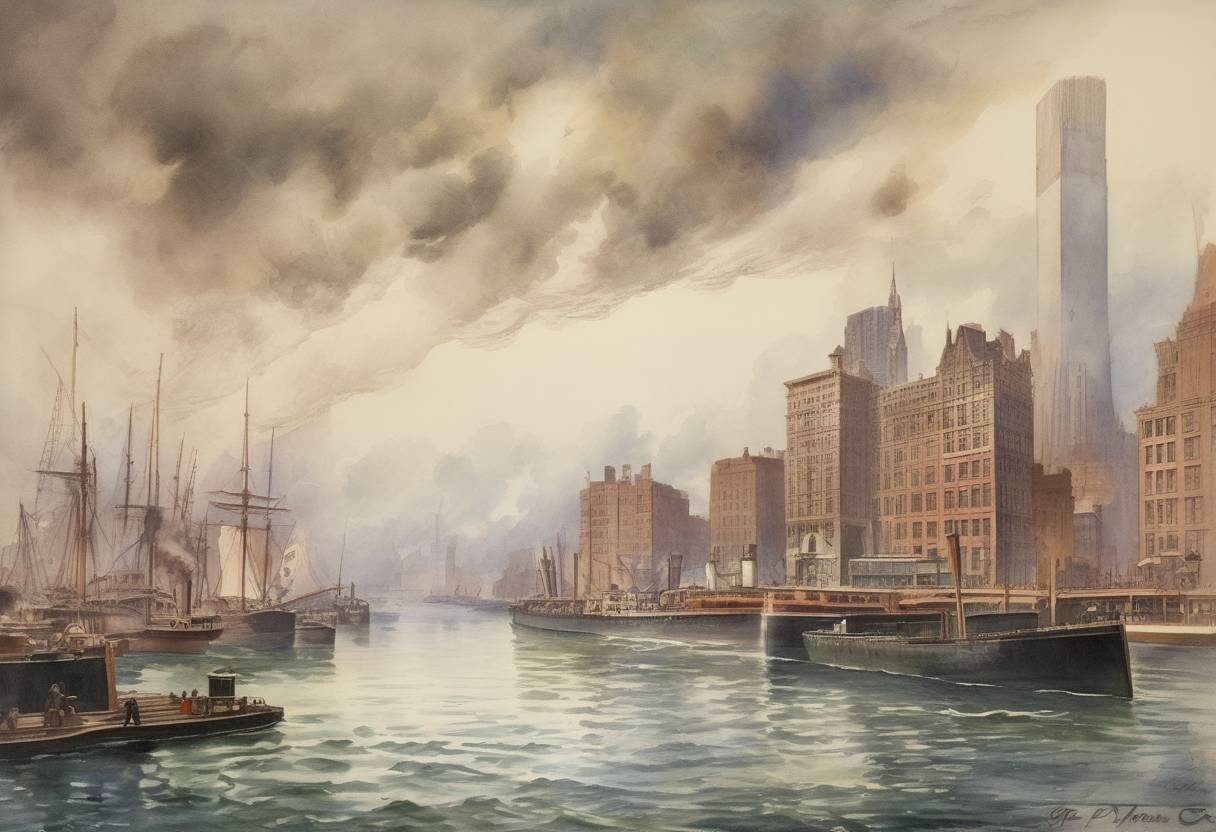
On February 25, 1901, J.P. Morgan, a prominent American financier and banker, orchestrated the incorporation of the United States Steel Corporation. This event marked a significant milestone in industrial and financial history, as it led to the creation of the world’s first billion-dollar corporation.
The late 19th and early 20th centuries were a period of rapid industrialization in the United States. The steel industry, in particular, was experiencing explosive growth, driven by the demand for steel in construction, railroads, and manufacturing. Andrew Carnegie, a leading industrialist, had built Carnegie Steel Company into the largest and most profitable steel company in the world.
J.P. Morgan saw an opportunity to consolidate the steel industry and create a monopoly that could dominate the market. He negotiated the purchase of Carnegie Steel from Andrew Carnegie for $480 million, a staggering sum at the time. Morgan then merged Carnegie Steel with several other steel and related companies, including Federal Steel Company and National Steel Company, to form the United States Steel Corporation.
First Billion-Dollar Corporation: With an initial capitalization of $1.4 billion, U.S. Steel became the first corporation in the world to surpass the billion-dollar mark. This was a testament to the scale and ambition of the merger.
Industrial Impact: U.S. Steel controlled approximately 60% of the steel production in the United States, giving it immense influence over the industry. This consolidation helped streamline production and reduce competition, although it also raised concerns about monopolistic practices.
Economic Influence: The creation of U.S. Steel had a profound impact on the American economy. It set a precedent for large-scale corporate mergers and influenced the development of antitrust laws aimed at regulating such concentrations of economic power.
The formation of U.S. Steel was a pivotal moment in the history of American capitalism. It highlighted the growing power of financiers like J.P. Morgan and the trend towards corporate consolidation. The company’s dominance in the steel industry continued for decades, although it faced challenges from antitrust actions and changing market dynamics.
In summary, the incorporation of the United States Steel Corporation on February 25, 1901, was a landmark event that reshaped the industrial landscape of the United States and set the stage for the modern era of big business.
Source: en.wikipedia.org