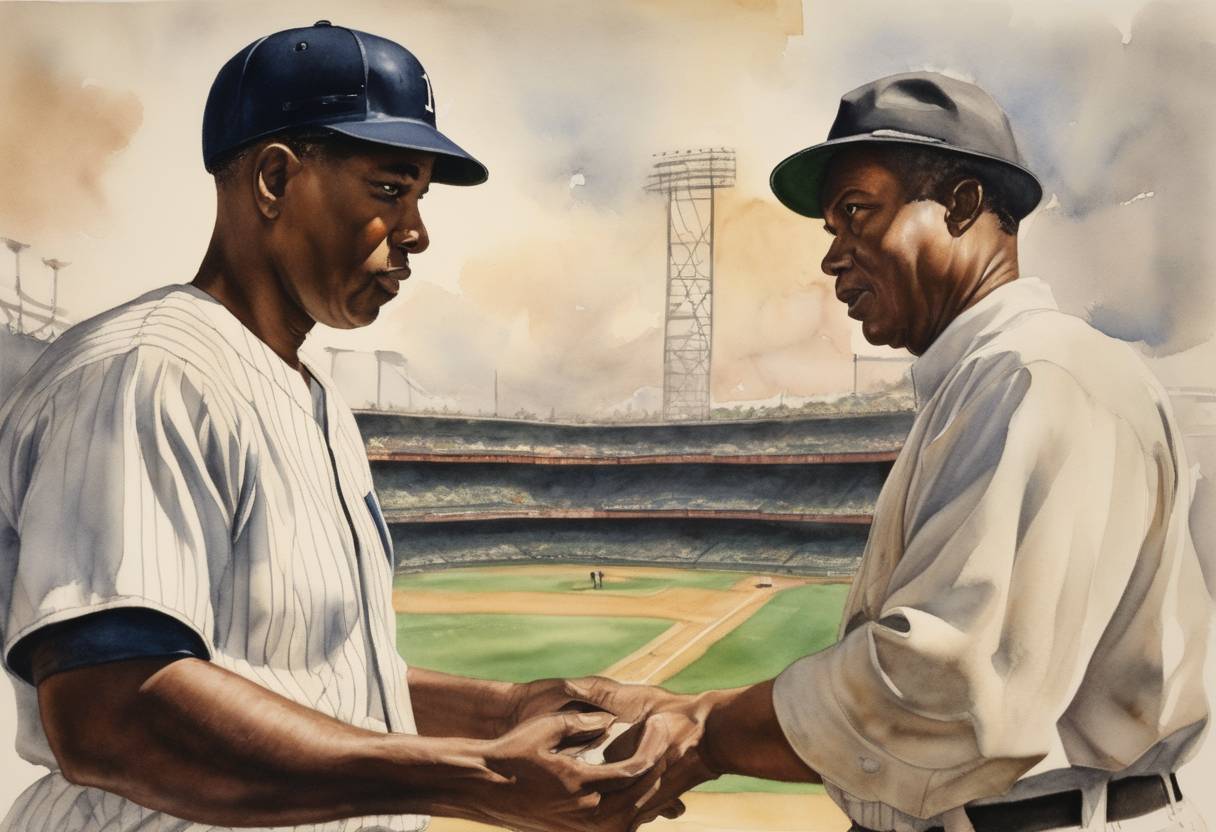
The Emmett Ashford Decision: February 20, 1952
On February 20, 1952, a significant development occurred in Major League Baseball (MLB) concerning racial integration, which fundamentally affected the role of African Americans within the sport’s officiating ranks.
Context and Background
Prior to this decision, Major League Baseball, like much of American society, was marked by segregation and racial discrimination. The integration of players had begun with Jackie Robinson breaking the color barrier in 1947, but the path for black umpires remained obstructed. Participation by African Americans in roles beyond players was extremely limited during this era, reflecting broader societal patterns of exclusion.
Emmett Ashford’s Role
Emmett Ashford, known for his flamboyant style and charismatic personality, was an African American umpire who had gained prominence in the minor leagues. He faced numerous obstacles, including significant, racially motivated opposition, as he sought opportunities within MLB. Ashford’s persistence and comprehensive skill set highlighted the possibilities for change within the sport’s officiating ranks.
The 1952 Decision
The movement toward integration within MLB officiating culminated in 1952 when a formal decision was made allowing black men to umpire in the Major Leagues. While Ashford himself was not immediately appointed, this decision opened avenues for African Americans in umpiring positions, marking an essential shift in MLB policy and culture.
Despite the 1952 announcement, it would take more than a decade for the decision to be fully realized. Emmett Ashford eventually became the first African American Major League Baseball umpire in 1966, 14 years after the decision, officiating until his retirement in 1970. His groundbreaking presence on the field paved the way for subsequent generations of African American umpires.
Broader Historical Significance
The Emmett Ashford Decision underscored a gradual but critical transformation within Major League Baseball, reflecting the slow yet ongoing dismantling of racial barriers in American sports during the mid-20th century. It was part of a broader civil rights movement seeking to ensure equality and integration across all sectors of society.
The decision stands as a reminder of the persistent efforts required to overcome institutional racism and the important legacy of pioneers like Emmett Ashford who courageously challenged the status quo.