The 8.8 Magnitude Earthquake in Chile: February 28, 2010
2010 · Concepción, Chile
The 8.8 magnitude earthquake in Chile triggers a tsunami across the Pacific Ocean, causing widespread destruction and loss of life.
August 14, 2007
An earthquake measuring 8.0 on the moment magnitude scale struck Peru, resulting in significant damage and around 500 fatalities. Its epicenter was located near the city of Pisco.
Pisco, Peru | Instituto Geofisico del Perú
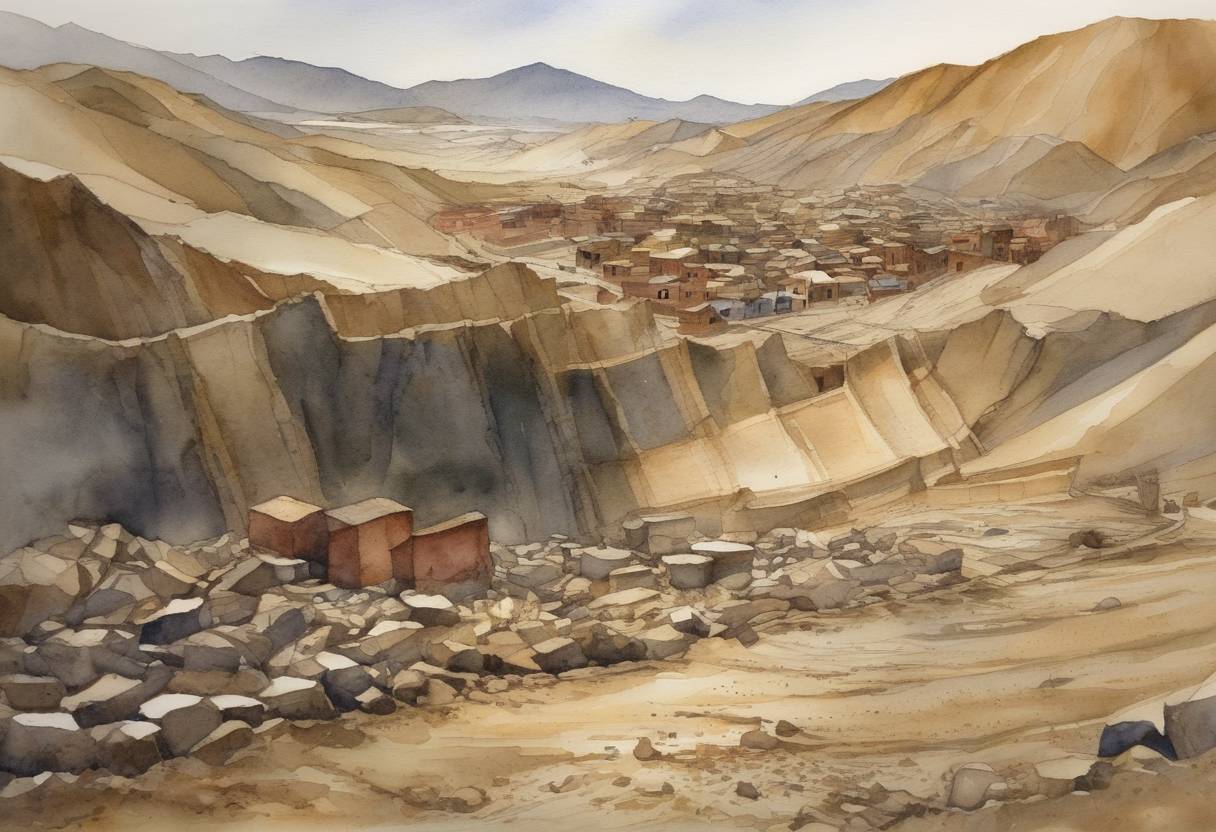
On August 15, 2007, a devastating earthquake struck the Republic of Peru, marking one of the most significant seismic events in the country’s recent history. The earthquake occurred at 23:40:57 UTC, registering a moment magnitude of 8.0. The epicenter was located offshore, approximately 150 kilometers south-southeast of the capital city, Lima, near the coastal city of Pisco.
Peru sits along the boundary of the South American and Nazca tectonic plates, which are known for their potential to generate significant seismic activity. This premium geological positioning makes the region susceptible to earthquakes. The 2007 earthquake was the result of thrust faulting along the boundary where the Nazca Plate is subducting beneath the South American Plate.
The primary affected areas were the Ica Region and the cities of Pisco, Ica, and Chincha Alta. The earthquake caused severe infrastructural damage:
The earthquake resulted in an estimated 519 fatalities and over 1,300 injuries. Thousands of people were rendered homeless as homes and buildings crumbled under the seismic stress.
The Peruvian government, along with international aid organizations, responded with emergency rescue operations and relief efforts. However, logistical challenges and the sheer scale of devastation slowed initial response times. Hospitals, already strained, grappled with the influx of patients, while displaced residents necessitated rapid deployment of temporary shelters and essential supplies.
The aftermath of the earthquake brought about a significant humanitarian crisis. The reconstruction phase highlighted the need for improved building codes and emergency preparedness in earthquake-prone regions. It also stressed the importance of international collaboration in providing relief and supporting long-term recovery efforts.
Subsequent initiatives focused on strengthening Peru’s seismic resilience through better urban planning, public education on earthquake preparedness, and the promotion of disaster risk reduction strategies throughout the nation.
The 2007 Pisco earthquake remains a pivotal event in Peru’s recent history, reminding of the persistent threat posed by natural disasters and the importance of readiness and robust response systems.
Source: pubs.usgs.gov