1843 · London, United Kingdom
Charles Dickens' novella 'A Christmas Carol' was published for the first time. The work has become one of the most beloved Christmas stories and has had a lasting impact on holiday traditions.
July 17, 1841
The British humorous magazine Punch was first published.
London, United Kingdom | Punch Magazine
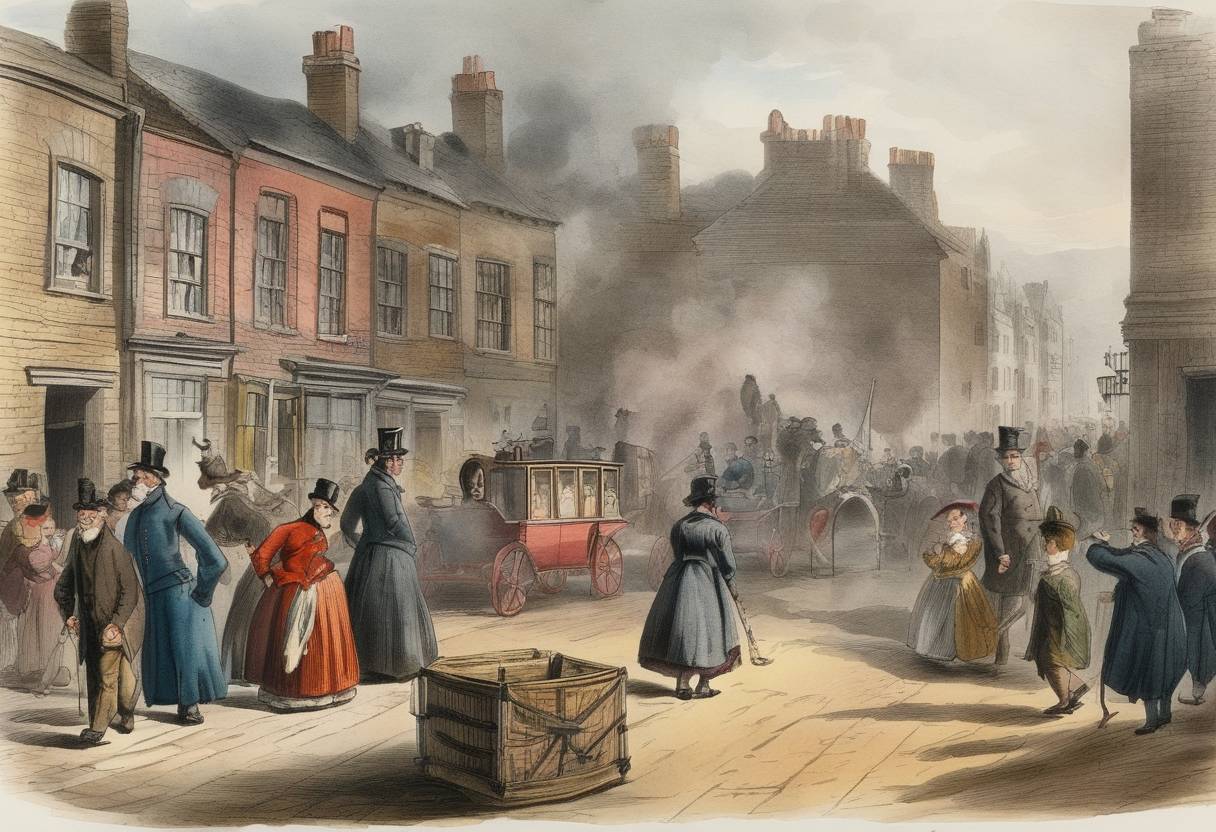
On July 17, 1841, the first edition of the British magazine Punch was published in London. Known for its humor and satire, Punch became an influential presence in 19th-century British culture and beyond, often credited with creating and popularizing the term “cartoon” in its modern sense.
The magazine was founded by Henry Mayhew, a writer and social reformer, alongside engraver Ebenezer Landells. The duo aimed to create a periodical that combined witty commentary on current events and society with humorous illustrations. The full title of the magazine was Punch, or The London Charivari, a nod to the French satirical publication Le Charivari.
Punch featured a mix of satirical articles, poems, and, notably, cartoons that ridiculed the major political, social, and cultural issues of the day. It initially struggled to gain a foothold but gradually gained popularity due to its clever writing and iconic illustrations.
Throughout its early years and subsequent decades, Punch attracted many talented contributors, including some of the period’s best-known literary and artistic figures. Some renowned contributors were William Makepeace Thackeray, who later wrote Vanity Fair, and illustrators such as John Tenniel, who gained fame for his work in Alice’s Adventures in Wonderland.
Punch had significant cultural and political influence, contributing to public debate and social change with its satire. The magazine continued to publish until 2002, with a brief revival from 1996 to 2002, marking over a century and a half of impact on British and global satire.
Its legacy lives on, not only in its historical contributions to journalism and publishing but also in its role in shaping modern understanding and appreciation of satire and cartooning.
Source: en.wikipedia.org