Ivory Coast Gains Independence from France
1960 · Abidjan, Ivory Coast
Ivory Coast gained independence from France, marking a significant moment in the decolonization of Africa.
March 10, 1893
Côte d'Ivoire became a colony of France as part of French West Africa.
Abidjan, Côte d'Ivoire | French Colonial Empire
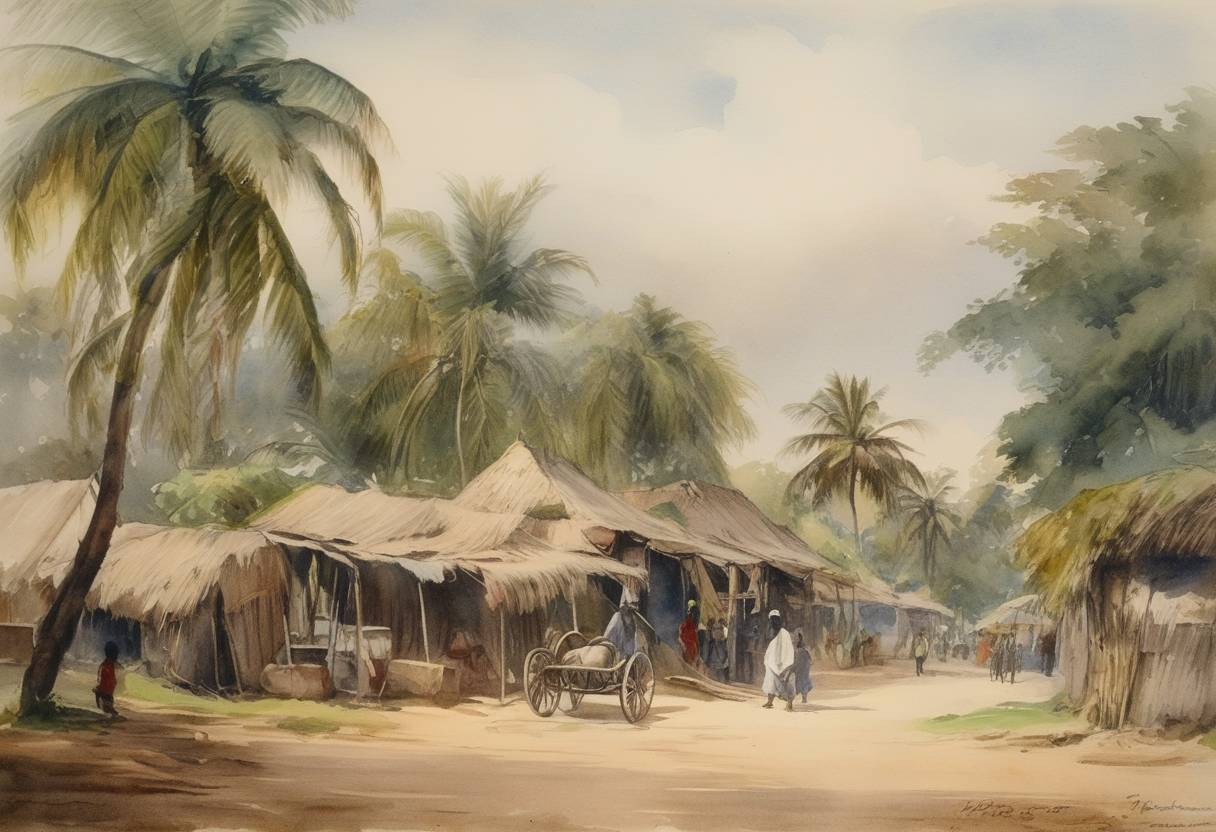
On March 10, 1893, Côte d’Ivoire, known today as the Ivory Coast, officially became a French colony, marking its integration into the structure of French West Africa. This pivotal event was part of France’s expansive colonial ambitions in Africa, where economic interests and the competition with other European powers drove their efforts to consolidate control over the region.
Early Interaction: Prior to becoming a colony, French influence in Côte d’Ivoire began with the establishment of coastal trading posts in the 1840s. The French focused on securing favorable trade conditions, mainly for ivory, which was abundant in the region.
Treaties and Agreements: Through a series of treaties and military expeditions in the latter half of the 19th century, France gradually extended its influence inland. These agreements often involved ceding portions of territory to France in exchange for protection or trade advantages, and they formed the legal basis for later colonial claims.
Colonial Administration: On March 10, 1893, the French officially declared Côte d’Ivoire a colony. This act was part of a larger administrative framework aimed at solidifying control over key regions in West Africa. Louis-Gustave Binger was appointed as the first governor, charged with enforcing French policies and extending their control further into the interior.
Integration into French West Africa: Côte d’Ivoire became a constituent territory of French West Africa (Afrique Occidentale Française), a federation of eight French colonial territories. This integration was intended to streamline governance, improve the coordination of economic activities, and increase the efficiency of resource extraction.
Economic Changes: Under colonial rule, Côte d’Ivoire saw significant changes in its economic landscape. The French administration encouraged the development of cash crops such as coffee and cocoa, which would become major exports.
Social and Cultural Impact: The imposition of French cultural, legal, and educational systems aimed to integrate Ivoirian society into the broader context of the French colonial empire. This often resulted in the disruption of traditional customs and social structures.
Legacy of Colonization: The legacy of French colonial rule had lasting impacts on the development of Côte d’Ivoire, influencing its political boundaries, economic practices, and social fabric. Independence would eventually be achieved in 1960, but the colonial period left a complex historical and cultural imprint on the nation.
Côte d’Ivoire’s transition to a French colony on March 10, 1893, was a significant event in the broader narrative of European imperialism in Africa. It played a crucial role in shaping the modern state of Côte d’Ivoire, with continuing implications for its socio-economic development and cultural identity.
Source: www.example.com