Inauguration of Marshal Josip Broz Tito as the First President of Yugoslavia
1953 · Belgrade, Yugoslavia
Marshal Josip Broz Tito is inaugurated as the first President of Yugoslavia.
November 1, 2000
The Serb opposition leader Vojislav Koštunica was inaugurated as the President of Yugoslavia, marking the end of Slobodan Milošević's era in power after he conceded defeat in the wake of mass protests.
Belgrade, Yugoslavia | Yugoslav government
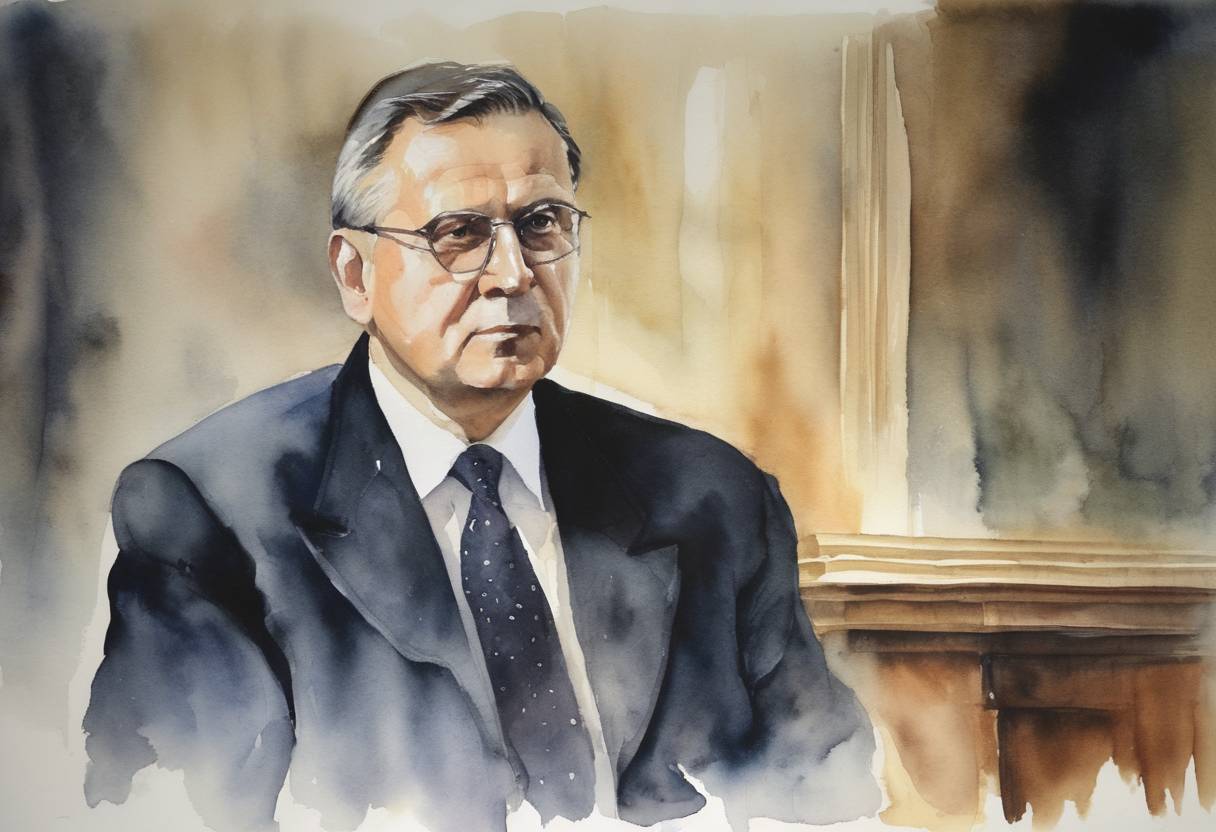
On November 1, 2000, Vojislav Koštunica was inaugurated as the President of the Federal Republic of Yugoslavia, marking a pivotal shift in the Balkan political landscape. His inauguration came in the aftermath of a tumultuous electoral process, which ultimately led to the end of Slobodan Milošević’s authoritarian regime.
Leading up to Koštunica’s inauguration, Yugoslavia was engulfed in a political crisis. Slobodan Milošević, who had been in power since 1989, faced widespread dissatisfaction due to his role in the Yugoslav Wars and the resulting international sanctions that crippled the country’s economy.
The presidential election, held on September 24, 2000, was initially marred by allegations of electoral fraud as Milošević refused to accept defeat. However, a mass movement of civil disobedience ensued. The opposition, rallying under the Democratic Opposition of Serbia (DOS) coalition, galvanized public support, resulting in widespread protests and the eventual storming of the federal parliament building on October 5, 2000—an event often referred to as the “Bulldozer Revolution.”
Vojislav Koštunica, a constitutional lawyer and moderate nationalist, emerged as the candidate for the DOS and was considered a unifying figure against Milošević. The initial count of the September election showed Koštunica with a substantial lead, which Milošević attempted to nullify by fabricating results to force a second round of voting.
The crisis reached a peak with the October 5 uprising, where massive civilian protests, involving hundreds of thousands of citizens, effectively forced Milošević to concede. International pressure and mediation also played a crucial part in his eventual agreement to step down.
Koštunica’s inauguration on November 1, 2000, symbolized the formal transition of power and the beginning of post-Milošević reforms aimed at democratizing the country and reintegrating it into the international community. His presidency was seen as the dawn of a new era, promising political and economic reforms, and marked by greater civil liberties.
The peaceful transition of power was significant, not only for Serbia and Montenegro (the member states of the Federal Republic of Yugoslavia) but also for the stability of the entire Balkan region. It signaled a move toward democratic governance and integration with European institutions.
Koštunica’s tenure as president was seen as a crucial step in rebuilding Yugoslavia’s foreign relations and addressing the war crimes of the previous regime. It also paved the way for future political developments, including the eventual dissolution of the Federal Republic of Yugoslavia in 2003, succeeded by the State Union of Serbia and Montenegro.
Source: www.britannica.com