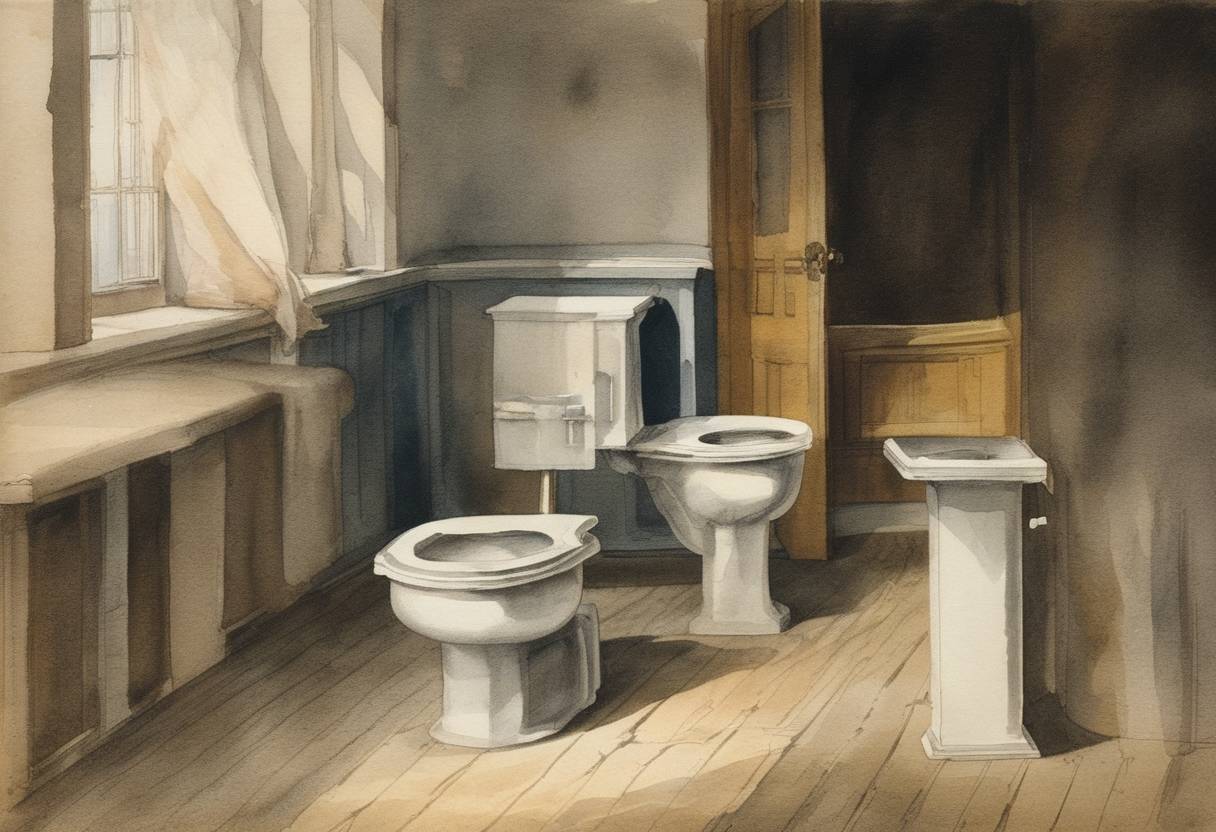
Patent of the First Personal Toilet System by George Berry
On June 2, 1800, George Berry was granted a patent in the United States for a personal toilet system. This development marked an early step towards modernizing hygiene and sanitation practices, contributing to the evolution of personal care facilities in the private sphere. Berry’s invention was significant as it addressed the need for individual sanitation solutions at a time when communal outhouses and public baths were commonplace.
Context and Significance
During the late 18th and early 19th centuries, hygiene practices were becoming increasingly important in urban areas, where the spread of diseases posed a significant public health challenge. Inventions in the field of personal hygiene sought to improve privacy, convenience, and health standards among individuals across various social classes.
Berry’s patent came at a time of growing awareness about the connection between cleanliness and health, underscored by emerging scientific understanding of germs and hygiene. It predated many of the major advancements in plumbing and sanitation technologies, setting a foundation for later innovations that focused on water supply, waste disposal, and indoor plumbing solutions.
Impact and Legacy
While George Berry’s personal toilet system did not immediately revolutionize domestic sanitation practices—owing to limited dissemination and technological constraints—the concept of a privately accessible and more hygienic toilet system was an influential precursor to later advancements in indoor plumbing and home sanitation.
Throughout the 19th century, similar inventions and improvements in plumbing technology gradually led to the widespread adoption of private toilets in homes, especially in urban areas. These developments were pivotal in enhancing personal privacy, improving public health outcomes, and contributing to the overall quality of life.
Berry’s patent reflects early efforts in the United States to address the basic human need for sanitary facilities and underscores the gradual shift from communal to private hygiene practices. His work is part of the broader narrative of technological advancement that characterized the Industrial Revolution, which saw significant improvements in living standards and public health infrastructure over the subsequent decades.