Vincent van Gogh's Ear Incident - December 23, 1888
1888 · Arles, France
Vincent van Gogh, in a fit of madness, cut off part of his left ear in Arles, France.
May 2, 1519
Leonardo da Vinci, the renowned Italian polymath, died in Amboise, France. He was known for his contributions to art, science, and engineering.
Amboise, France | N/A
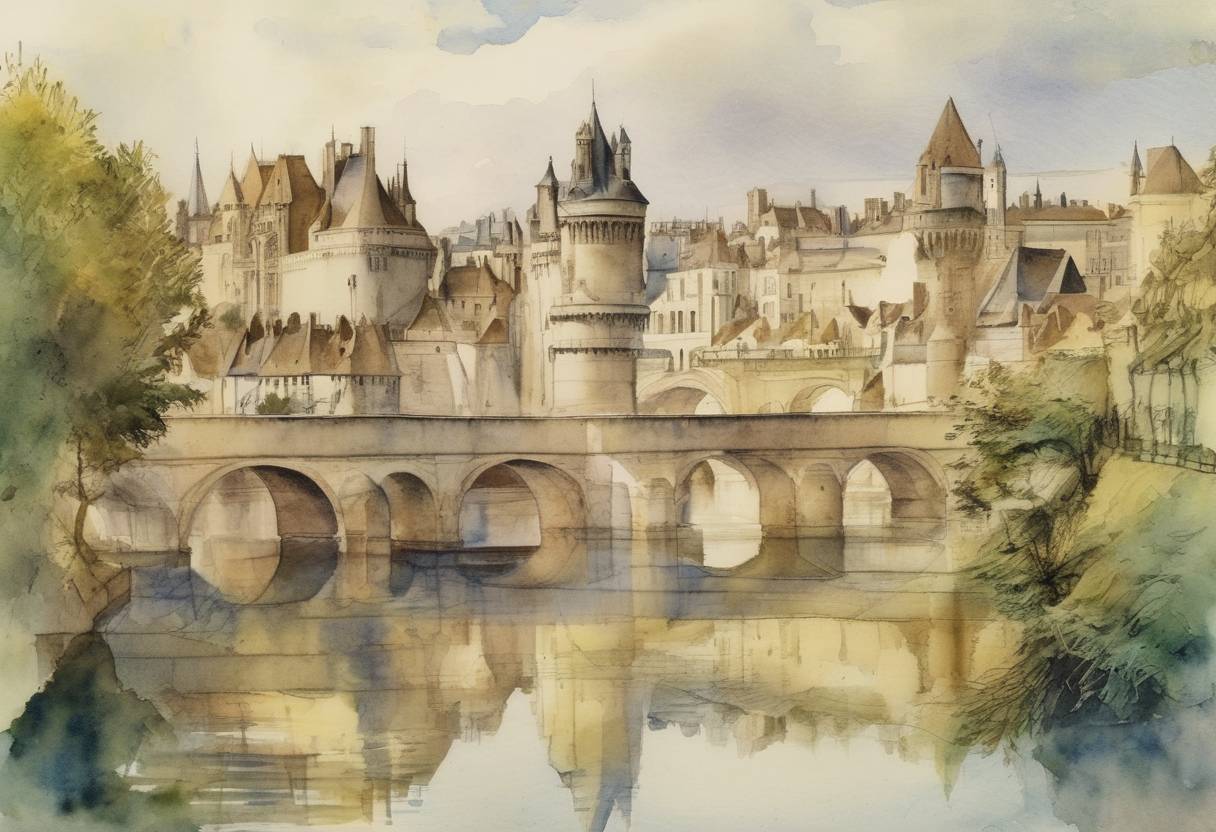
Leonardo da Vinci, one of history’s most illustrious polymaths, passed away on May 2, 1519, in Amboise, France. His death marked the end of an era of unparalleled creativity and innovation that spanned multiple disciplines, including art, science, and engineering.
Leonardo was born on April 15, 1452, in Vinci, Italy. He was the illegitimate son of a notary, Piero da Vinci, and a peasant woman, Caterina. Despite his humble beginnings, Leonardo’s prodigious talents were evident from a young age. He was apprenticed to the renowned artist Andrea del Verrocchio in Florence, where he honed his skills in painting, sculpture, and mechanical arts.
Leonardo’s artistic achievements are legendary. His masterpieces, such as “The Last Supper” and “Mona Lisa,” are celebrated for their innovative use of perspective, composition, and emotional depth. His meticulous studies of anatomy, light, and nature informed his art, making his works timeless and profoundly influential.
Beyond art, Leonardo’s notebooks reveal his insatiable curiosity and groundbreaking ideas in various fields:
In 1516, Leonardo accepted an invitation from King Francis I of France to work in his court. He moved to the Château du Clos Lucé near Amboise, where he spent his final years. During this period, he continued to work on various projects, although his health began to decline.
Leonardo da Vinci died on May 2, 1519, at the age of 67. He was buried in the Chapel of Saint-Hubert in the Château d’Amboise. His death was mourned by many, including King Francis I, who reportedly held Leonardo in high regard, considering him a dear friend and a genius of unparalleled stature.
Leonardo da Vinci’s legacy is immense and enduring. His interdisciplinary approach to knowledge and creativity has inspired countless generations. His works continue to be studied and revered, embodying the spirit of the Renaissance and the boundless potential of human ingenuity.
Leonardo’s life and achievements remain a testament to the power of curiosity and the pursuit of knowledge across boundaries, making him a timeless symbol of the intersection between art and science.
Source: en.wikipedia.org