Huldrych Zwingli and the Battle of Kappel: October 11, 1531
1531 · Kappel, Switzerland
Huldrych Zwingli, a leader of the Reformation in Switzerland, is killed in the Battle of Kappel.
January 21, 1525
The Swiss Anabaptist Movement is born when Conrad Grebel, Felix Manz, George Blaurock, and others baptize each other in the home of Manz's mother in Zürich, breaking a thousand-year tradition of church-state union.
Zürich, Switzerland | Anabaptists
On January 21, 1525, a pivotal event in the history of the Protestant Reformation took place in Zürich, Switzerland. This date marks the birth of the Swiss Anabaptist movement, a radical branch of the Reformation that sought to restore the practices of the early Christian church, particularly the practice of adult baptism.
The early 16th century was a period of significant religious upheaval in Europe, characterized by the Protestant Reformation, which challenged the doctrines and practices of the Roman Catholic Church. In Zürich, the Reformation was led by Huldrych Zwingli, who sought to reform the church by aligning it more closely with biblical teachings. However, some of Zwingli’s followers, including Conrad Grebel, Felix Manz, and George Blaurock, believed that Zwingli’s reforms did not go far enough.
These reformers were particularly concerned with the practice of infant baptism, which they argued was not supported by scripture. They believed that baptism should be a conscious decision made by an adult believer, symbolizing a personal commitment to faith.
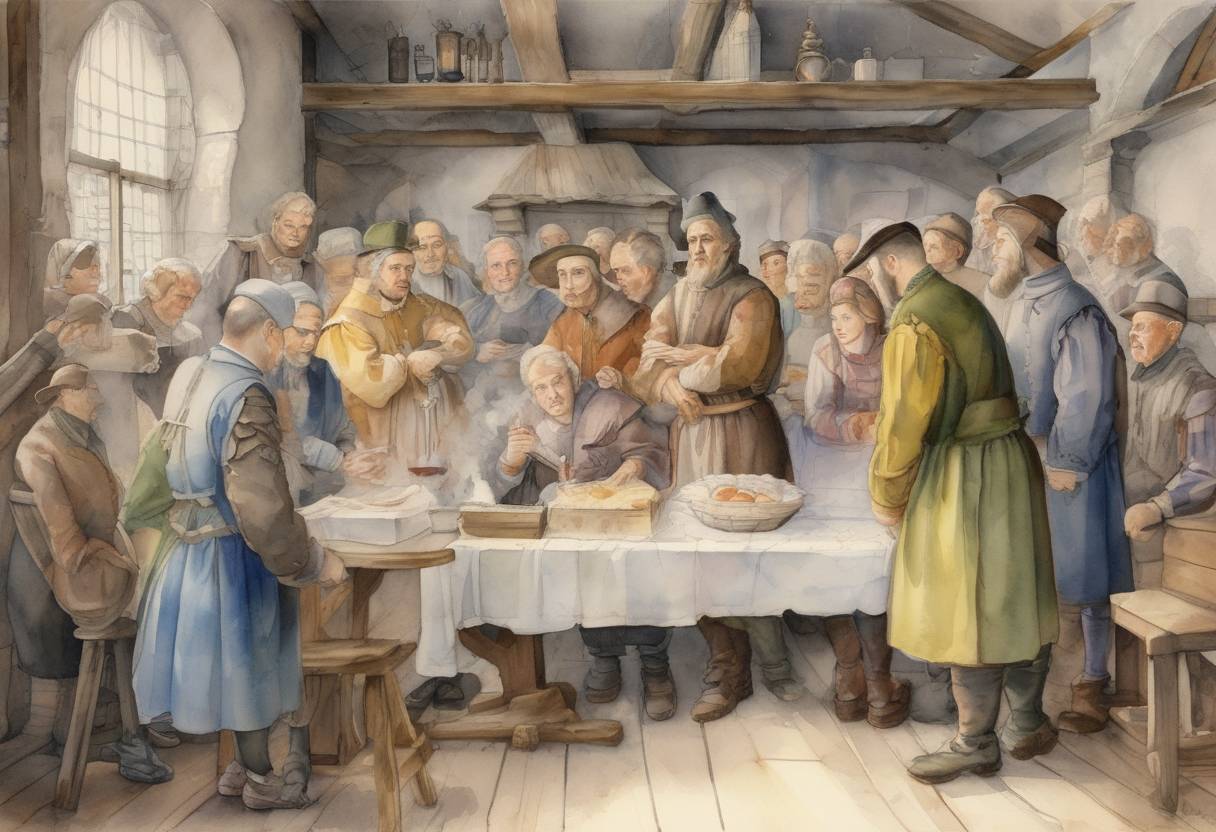
On January 21, 1525, Conrad Grebel, Felix Manz, George Blaurock, and a small group of like-minded individuals gathered in the home of Manz’s mother in Zürich. In a bold and defiant act, they baptized each other as adults, rejecting the practice of infant baptism and the authority of the state church. This act of mutual baptism was a direct challenge to the existing church-state union, which had maintained a thousand-year tradition of infant baptism as a means of integrating individuals into both the church and the civic community.
The baptismal event in Zürich marked the formal beginning of the Anabaptist movement, which quickly spread throughout Switzerland and into other parts of Europe. The Anabaptists were characterized by their emphasis on voluntary church membership, adult baptism, and a commitment to living according to the teachings of Jesus as described in the New Testament.
The movement faced severe persecution from both Protestant and Catholic authorities, who viewed the Anabaptists’ rejection of infant baptism and their separation of church and state as a threat to social order. Many Anabaptists were imprisoned, tortured, or executed for their beliefs.
Despite this persecution, the Anabaptist movement persisted and laid the groundwork for later religious groups, including the Mennonites, Amish, and Hutterites. Their emphasis on religious freedom, separation of church and state, and pacifism has had a lasting impact on religious thought and practice.
The Swiss Anabaptist movement was a significant development in the broader context of the Protestant Reformation. It highlighted the diversity of thought within the Reformation and underscored the challenges of religious reform in a period of intense political and social change. The Anabaptists’ radical ideas about church membership and baptism contributed to ongoing debates about religious authority and individual conscience, themes that continue to resonate in discussions of religious freedom and human rights today.
Source: en.wikipedia.org