Execution of Sir Walter Raleigh - October 29, 1618
1618 · London, England
Sir Walter Raleigh, an English adventurer and writer, was executed in London for treason against King James I.
March 25, 1584
Sir Walter Raleigh was granted a patent to colonize Virginia, leading to the establishment of English colonies in North America.
London, England | English Crown
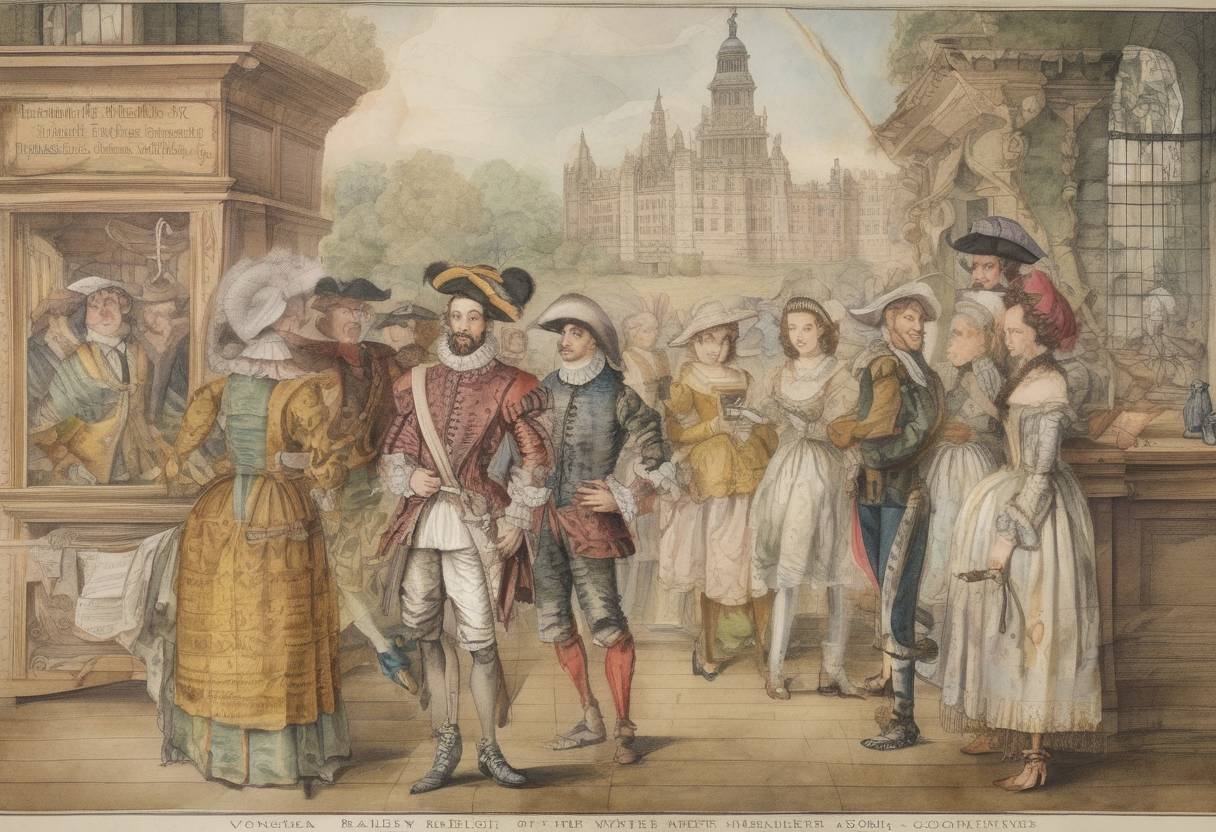
On March 25, 1584, Sir Walter Raleigh, an English explorer and courtier, was granted a royal patent by Queen Elizabeth I to explore and colonize lands in the New World. This patent marked a significant moment in the history of English colonization efforts in North America, laying the groundwork for future English settlements.
Elizabethan England: During the late 16th century, England was eager to expand its influence and compete with Spain, which had already established a strong presence in the Americas. The English crown sought to establish colonies that could provide resources and serve as bases for privateering against Spanish ships.
Raleigh’s Ambitions: Sir Walter Raleigh, a favorite of Queen Elizabeth I, was an ambitious and influential figure at court. He was inspired by the potential wealth and strategic advantages that could be gained from establishing English colonies in the New World.
Terms of the Patent: The patent granted Raleigh the rights to explore and colonize any “remote, heathen and barbarous lands” not already claimed by a Christian monarch. It allowed him to establish settlements, govern them, and exploit resources, with the stipulation that he must begin colonization within seven years.
Significance: This patent was crucial as it provided the legal framework and royal backing necessary for Raleigh to initiate expeditions to the New World. It also reflected the growing interest and investment of the English crown in overseas expansion.
First Expedition (1584): Shortly after receiving the patent, Raleigh dispatched an exploratory expedition led by Philip Amadas and Arthur Barlowe. They arrived at Roanoke Island, off the coast of present-day North Carolina, and returned with favorable reports of the land.
Subsequent Attempts: Raleigh organized further expeditions to establish a permanent settlement. The most notable was the 1587 expedition led by John White, which attempted to establish the “Lost Colony” of Roanoke. This colony famously disappeared, leaving behind the mysterious word “CROATOAN” carved into a tree.
Legacy: Although Raleigh’s attempts to establish a lasting colony were ultimately unsuccessful, his efforts paved the way for future English colonization. The lessons learned from these early attempts informed later successful settlements, such as Jamestown in 1607.
Impact on English Colonization: Raleigh’s patent and subsequent expeditions demonstrated the potential for English expansion in the New World, encouraging further exploration and settlement efforts. This laid the foundation for the eventual establishment of the Thirteen Colonies.
In summary, Sir Walter Raleigh’s patent on March 25, 1584, was a pivotal moment in the history of English colonization. It marked the beginning of England’s sustained efforts to establish a presence in North America, which would have profound implications for the future of the continent.
Source: en.wikipedia.org