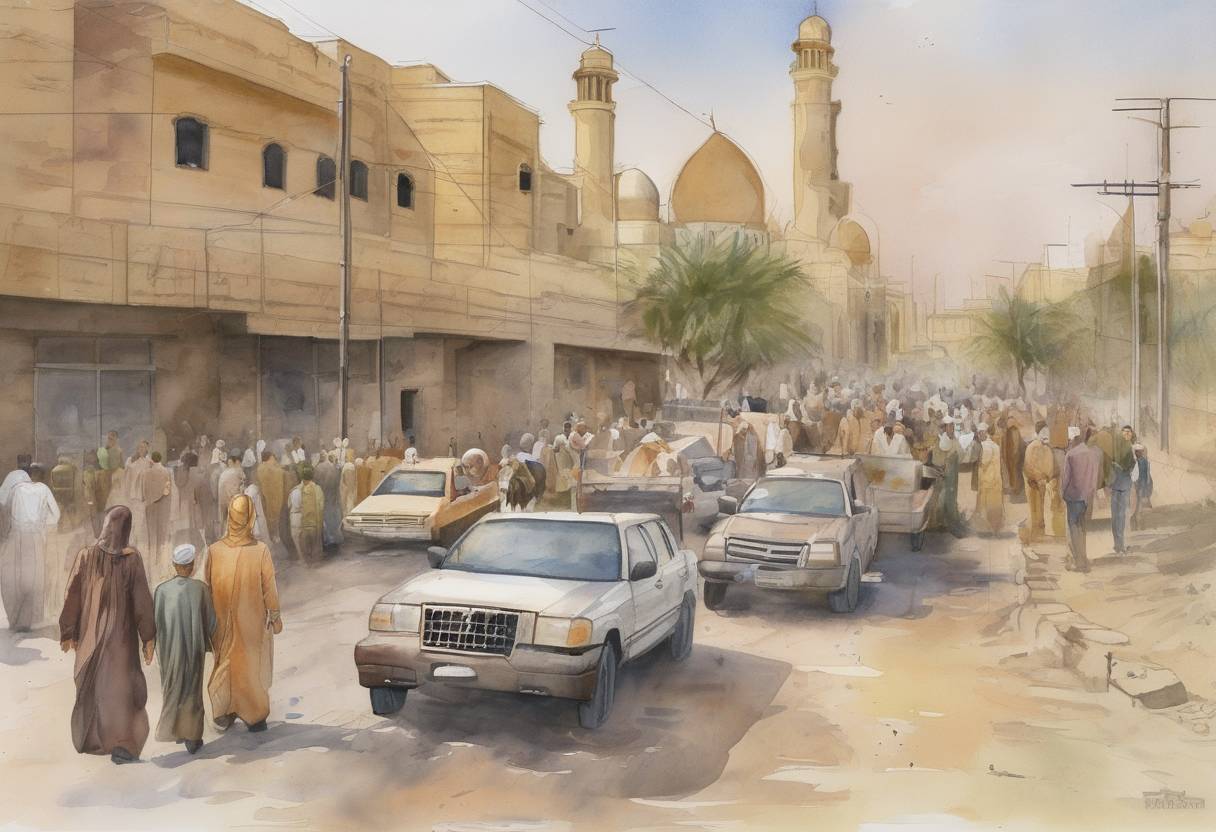
Iraq’s First Democratic Parliamentary Elections Post-Saddam Hussein: December 18, 2005
On December 18, 2005, Iraq held its first democratic parliamentary elections since the fall of Saddam Hussein’s regime in 2003. This event marked a pivotal moment in Iraq’s political transition and was a significant step towards establishing a democratic governance structure in the country.
Context Leading Up to the Elections
Fall of Saddam Hussein: The regime of Saddam Hussein was toppled in April 2003 following the U.S.-led invasion of Iraq. This invasion was part of the broader “War on Terror” initiated by the United States after the September 11 attacks in 2001.
Interim Government: After the fall of Hussein, Iraq was governed by a series of interim administrations. The Coalition Provisional Authority (CPA), led by the United States, initially took control, followed by the Iraqi Interim Government in June 2004.
Constitutional Referendum: Prior to the parliamentary elections, Iraqis voted in a constitutional referendum on October 15, 2005. The new constitution was approved, setting the stage for the parliamentary elections.
The Elections
Date and Structure: The elections were held on December 15, 2005, but the results were announced on December 18. Iraqis voted to elect members of the Council of Representatives, which would then form the government.
Participation: The elections saw a high voter turnout, with millions of Iraqis participating despite security concerns and ongoing violence. This demonstrated a strong desire among the population to engage in the democratic process.
Political Parties and Coalitions: Numerous political parties and coalitions participated, reflecting Iraq’s diverse ethnic and sectarian composition. Key groups included the United Iraqi Alliance, the Kurdistan Alliance, and the Iraqi Accord Front.
Aftermath and Significance
Formation of Government: The elections led to the formation of a new government, with Nouri al-Maliki eventually becoming Prime Minister in May 2006. This government was tasked with addressing the challenges of rebuilding the nation and fostering national unity.
Challenges: Despite the successful elections, Iraq faced significant challenges, including sectarian violence, insurgency, and political instability. These issues highlighted the complexities of transitioning to a stable democracy.
Historical Significance: The 2005 elections were a landmark in Iraq’s history, representing a move away from decades of authoritarian rule towards a democratic system. They were seen as a crucial step in the broader Middle Eastern context, where democratic governance was not widespread.
In conclusion, the December 2005 parliamentary elections were a critical milestone in Iraq’s journey towards democracy. While they did not resolve all of the country’s issues, they laid the groundwork for future political developments and demonstrated the Iraqi people’s commitment to shaping their own political future.