Nixon Announces Suspension of Offensive Action in North Vietnam
1973 · Washington D.C., United States
President Richard Nixon announced the suspension of offensive action in North Vietnam, a step towards ending U.S. involvement in the Vietnam War.
December 30, 1972
President Richard Nixon orders a halt to the bombing of North Vietnam above the 20th parallel, thus ending the intense bombing campaign known as Operation Linebacker II.
Washington, D.C., United States | United States Government
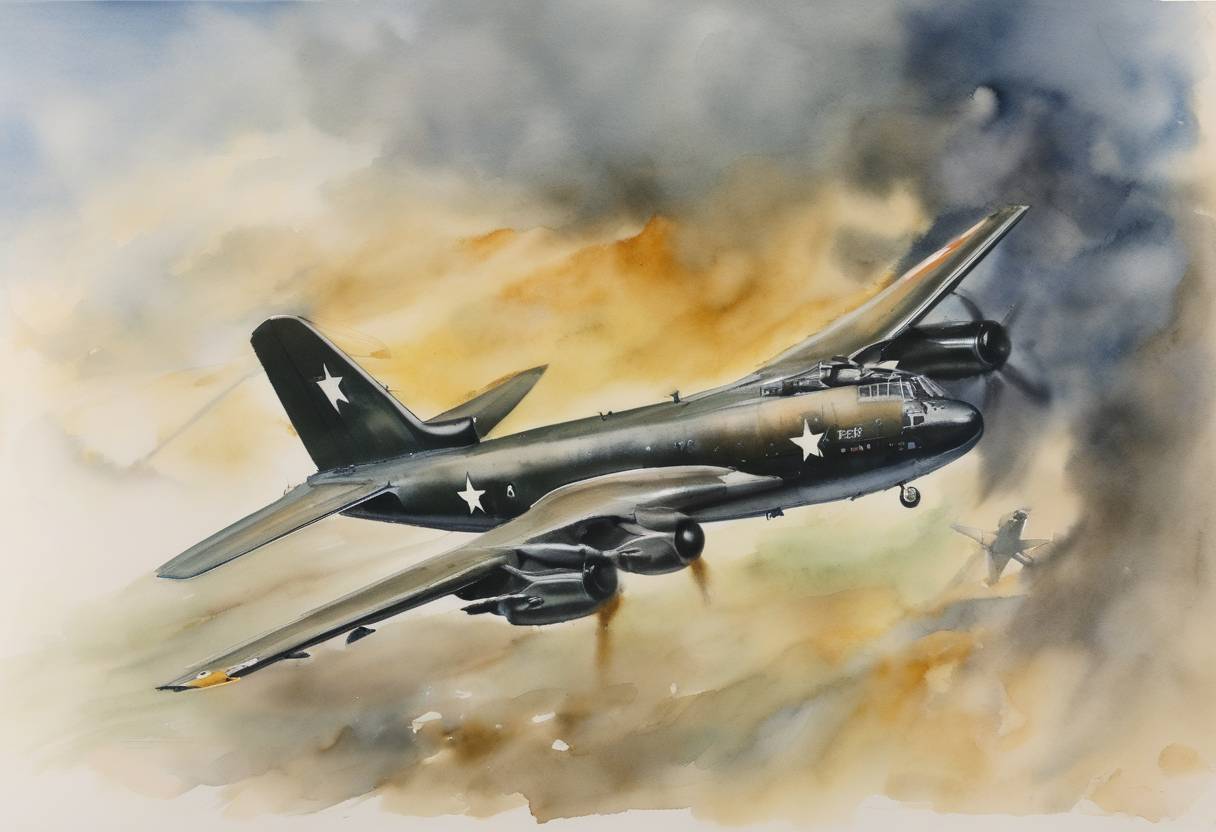
On December 30, 1972, President Richard Nixon announced a halt to the bombing of North Vietnam above the 20th parallel, effectively ending the intense aerial bombardment campaign known as Operation Linebacker II. This decision marked a significant turning point in the Vietnam War and was crucial in paving the way for the resumption of peace talks between the United States and North Vietnam.
Operation Linebacker II, often referred to as the “Christmas Bombing,” was initiated by the United States on December 18, 1972. This campaign was aimed at exerting maximum military pressure on North Vietnam to force a diplomatic resolution and solidify the terms of the Paris Peace Accords. Over the course of 11 days, the U.S. deployed a massive aerial assault primarily utilizing B-52 bombers targeting strategic sites around Hanoi and Haiphong.
Increased Diplomacy Needs: The escalation of bombing was intended as a measure to break the deadlock in peace negotiations that had stalled in Paris. By late December, the diplomatic effort had become increasingly urgent.
International Pressure: The intense bombing drew substantial criticism both domestically and internationally. There was growing pressure from U.S. allies and the global community to pursue negotiations and halt the humanitarian toll of the bombing.
Secretary of State Involvement: Secretary of State Henry Kissinger played a pivotal role in back-channel communications, engaging in discussions with North Vietnamese negotiators that anticipated a need to cease bombings to return to the negotiating table.
After nearly two weeks of heavy bombardment and the destruction of crucial infrastructure in North Vietnam, President Nixon, weighing these pressures, ordered the cessation of bombings. This decision signaled a de-escalation in hostilities and a commitment to returning to peace talks to end the protracted conflict.
Resumption of Peace Talks: The halt facilitated the return to peace negotiations in Paris, which resumed shortly after the New Year in January 1973.
Paris Peace Accords: Following intensive negotiations, the Paris Peace Accords were signed on January 27, 1973, formally establishing a ceasefire and setting the framework for the withdrawal of U.S. troops, effectively ending American involvement in the Vietnam War.
Historical Impact: The events of Operation Linebacker II and the subsequent halt of bombing demonstrated the complex interplay of military strategy and diplomacy. The decisions taken around December 30, 1972, underscore the significant role of international and domestic opinion in shaping U.S. foreign policy during the Vietnam War.
The cessation of bombing on this date remains a critical example of how military actions and diplomatic strategies were intertwined in the quest for peace during one of the 20th century’s most contentious conflicts.
Source: en.wikipedia.org