Dissolution of the State Union of Serbia and Montenegro
2006 · Belgrade, Serbia
Serbian Prime Minister Vojislav Koštunica declared the dissolution of the state union of Serbia and Montenegro following Montenegro's vote for independence.
October 1, 2000
Serbia holds a highly contentious presidential election runoff leading to widespread protests due to allegations of electoral fraud in favor of Slobodan Milošević.
Belgrade, Serbia | Government of Serbia
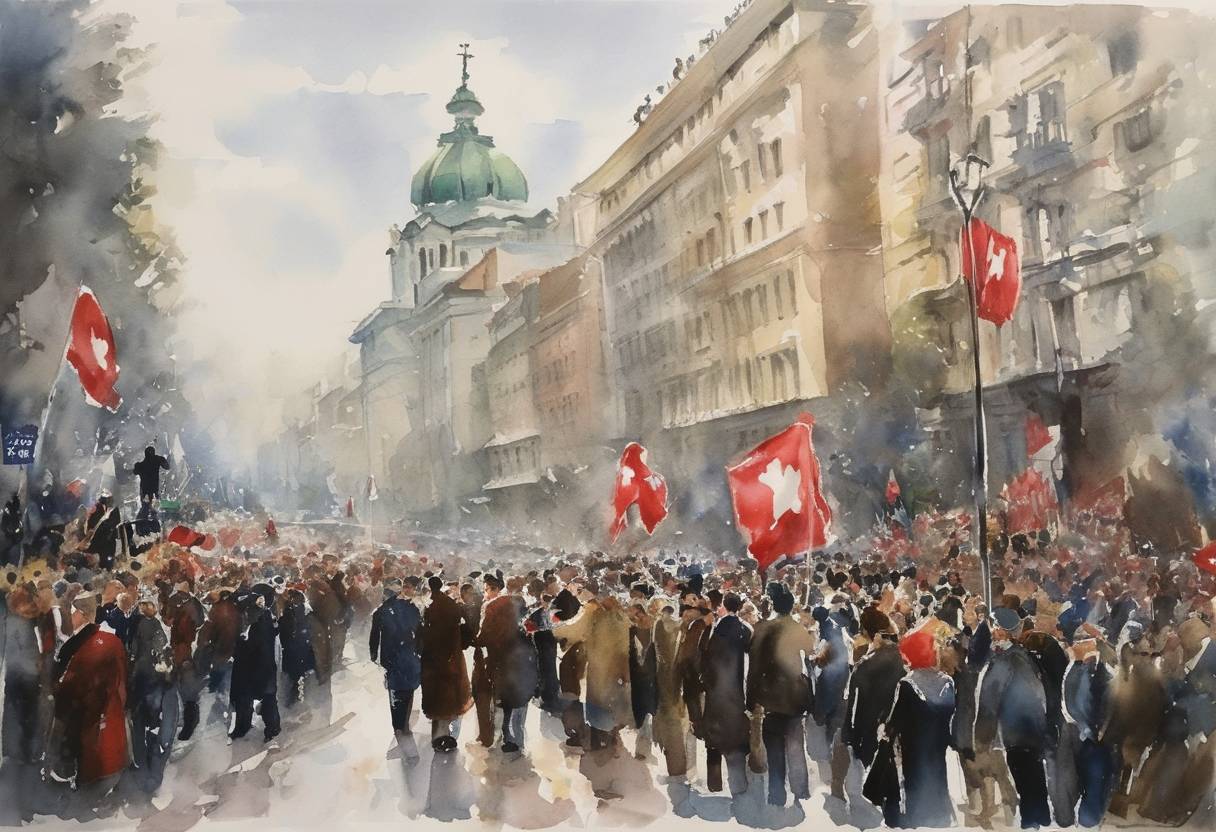
On October 1, 2000, Serbia experienced a highly contentious presidential election runoff that generated significant political turmoil and allegations of electoral fraud. This event was pivotal in the political landscape of Serbia, marking the beginning of the end for Slobodan Milošević’s regime.
Slobodan Milošević, who had been in power since the late 1980s, was a dominant figure in Serbian and Yugoslav politics, known for his nationalist policies and involvement in the Yugoslav Wars. By the year 2000, his leadership had become increasingly controversial due to economic decline, international isolation, and accusations of war crimes.
The initial presidential elections, held on September 24, 2000, resulted in no candidate achieving the necessary majority to be declared the outright winner. The official results indicated that a runoff was required between Milošević and his main challenger, Vojislav Koštunica, a candidate from the Democratic Opposition of Serbia (DOS) coalition.
The runoff on October 1 was marred by widespread reports of electoral fraud. Observers and opposition parties accused Milošević’s government of manipulating the vote count to favor the incumbent leader. The DOS claimed that Koštunica had actually won a majority in the first round of voting and alleged that the government was attempting to rig the election to extend Milošević’s hold on power.
In response to these allegations, mass protests erupted across Serbia, attracting a broad coalition of citizens demanding political change. The demonstrations were marked by their large scale and intensity, with protesters calling for Milošević to acknowledge his defeat and step down.
The pressure culminated in the historic “Bulldozer Revolution” on October 5, 2000, when hundreds of thousands of demonstrators stormed the Federal Parliament building and the Radio Television of Serbia headquarters. The protests successfully forced Milošević to concede defeat, ultimately leading to his resignation.
The events surrounding the October 1 election and subsequent protests were a critical turning point in Serbia’s transition from authoritarian rule to a more democratic political system. It marked the end of Milošević’s decade-long reign and facilitated Serbia’s reintegration into the international community. Milošević was later arrested and extradited to The Hague to face charges for war crimes and crimes against humanity, though he died before the trial concluded.
These developments had broader implications for the Balkans, signaling a shift towards democratic governance in a region long troubled by ethnic conflict and authoritarianism. The events are considered a pivotal moment in Serbian history, showcasing the power of popular mobilization against authoritarianism.
Source: www.bbc.com