2008 · Wenchuan, China
A devastating earthquake measuring 7.9 on the Richter scale struck Sichuan Province in China, causing widespread destruction and loss of life. The earthquake resulted in nearly 87,000 deaths and left millions homeless.
August 8, 2010
A mudslide in Gansu province, China, killed over 1,400 people and left thousands missing, marking one of the deadliest natural disasters in China in recent years.
Zhouqu, China | Chinese government
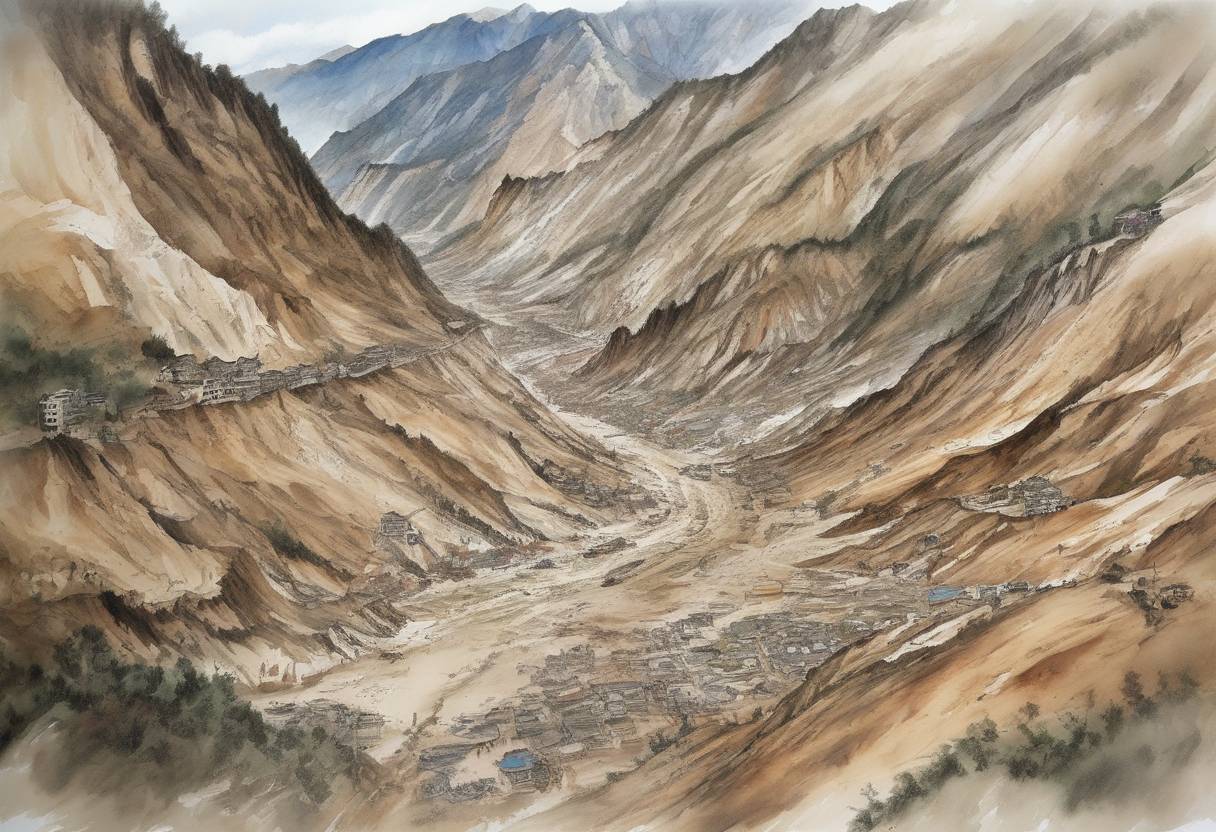
On August 8, 2010, a catastrophic mudslide struck Zhouqu County in Gansu Province, China, resulting in one of the deadliest natural disasters in the country in recent years. This tragic event claimed the lives of over 1,400 people and left thousands missing, devastating the local community and drawing national and international attention.
Zhouqu County is located in a mountainous region of southern Gansu Province, an area prone to geological instability. The mudslide was precipitated by a combination of factors:
Heavy Rainfall: In the days leading up to the disaster, the region experienced unusually heavy rainfall. This intense precipitation saturated the soil, increasing the risk of landslides.
Deforestation and Soil Erosion: Human activities, such as deforestation and construction, had exacerbated soil erosion in the area, making the land more susceptible to sliding.
Seismic Activity: The region had also experienced seismic activity, including the 2008 Sichuan earthquake, which may have weakened the geological stability of the area.
In the early hours of August 8, a massive mudslide swept through Zhouqu County. The mudslide was triggered by the collapse of a natural dam formed by landslide debris, which released a torrent of mud and debris down the slopes:
Scale and Impact: The mudslide covered an area of approximately 5 kilometers, burying homes, roads, and infrastructure under several meters of mud and debris. Entire villages were engulfed, and the county seat of Zhouqu was severely affected.
Casualties and Missing Persons: The disaster resulted in over 1,400 confirmed deaths, with thousands more reported missing. The scale of destruction made rescue and recovery efforts extremely challenging.
The Chinese government and various organizations responded swiftly to the disaster:
Rescue Operations: Thousands of military personnel, police, and volunteers were mobilized to conduct search and rescue operations. Efforts were hampered by the difficult terrain and the sheer volume of debris.
Relief Efforts: Emergency supplies, including food, water, and medical aid, were dispatched to the affected area. Temporary shelters were established for displaced residents.
Reconstruction and Prevention: In the aftermath, the government initiated reconstruction efforts and implemented measures to prevent future disasters, such as reforestation projects and improved land management practices.
The Zhouqu mudslide highlighted the vulnerability of certain regions in China to natural disasters, particularly in the context of environmental degradation and climate change. It underscored the need for sustainable development practices and improved disaster preparedness and response strategies.
This tragic event remains a somber reminder of the power of natural forces and the importance of resilience and adaptation in the face of environmental challenges.
Source: www.bbc.com