Basiliscus Becomes Byzantine Emperor
475 · Constantinople, Byzantine Empire
Basiliscus becomes Byzantine Emperor after a coup d'état against Emperor Zeno.
January 18, 0474
Leo II becomes Byzantine Emperor.
Constantinople, Byzantine Empire | Byzantine Empire
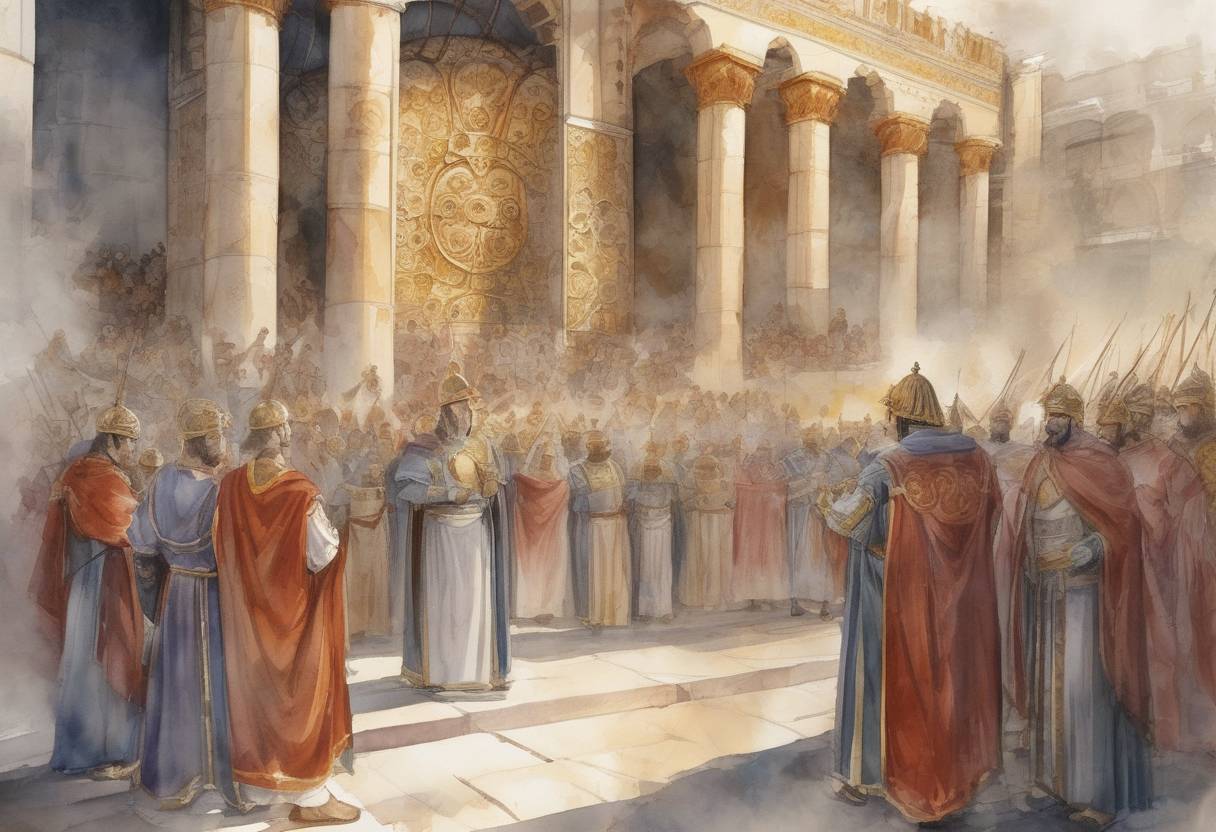
On January 18, 474, Leo II ascended to the throne as the Byzantine Emperor, marking a brief but significant moment in the history of the Byzantine Empire. His rise to power was part of the complex political dynamics of the Eastern Roman Empire during the 5th century.
Leo II was born in 467 as the son of Zeno, an Isaurian general, and Ariadne, the daughter of Emperor Leo I. His grandfather, Leo I, was a prominent figure who had been ruling the Byzantine Empire since 457. Leo I’s reign was characterized by efforts to stabilize the empire and manage the ongoing threats from both internal factions and external forces, such as the Ostrogoths and Vandals.
Leo II’s ascension was primarily due to the failing health of his grandfather, Leo I. In an effort to ensure a smooth transition of power and maintain stability within the empire, Leo I appointed his young grandson as co-emperor in October 473. This move was strategic, as it helped secure the succession line and appease various political factions within the empire.
Upon Leo I’s death on January 18, 474, Leo II became the sole emperor at the tender age of seven. Due to his youth, real power was exercised by his father, Zeno, who acted as regent.
Leo II’s reign was notably short, lasting only until November 474. During this period, the Byzantine Empire faced numerous challenges, including internal political strife and external threats. The empire’s stability was precarious, with various factions vying for influence and control.
One of the significant challenges was the opposition to Zeno’s regency. Zeno, being of Isaurian descent, was unpopular among the Byzantine aristocracy, who viewed him as an outsider. This tension contributed to the political instability that characterized Leo II’s brief reign.
In November 474, Leo II died under circumstances that remain unclear, although some historical accounts suggest illness. Following his death, Zeno was proclaimed emperor, continuing to rule until 491. Zeno’s reign was marked by significant challenges, including revolts and attempts to usurp his power, but he managed to maintain control over the empire.
Leo II’s brief tenure as emperor is a reflection of the dynastic struggles and political complexities of the Byzantine Empire during the 5th century. His ascension and subsequent death underscore the fragile nature of imperial succession and the influence of familial and political alliances in shaping the course of Byzantine history.
The events surrounding Leo II’s reign also highlight the broader context of the Byzantine Empire’s efforts to maintain stability and continuity amidst internal and external pressures, setting the stage for future developments in the empire’s history.
Source: en.wikipedia.org