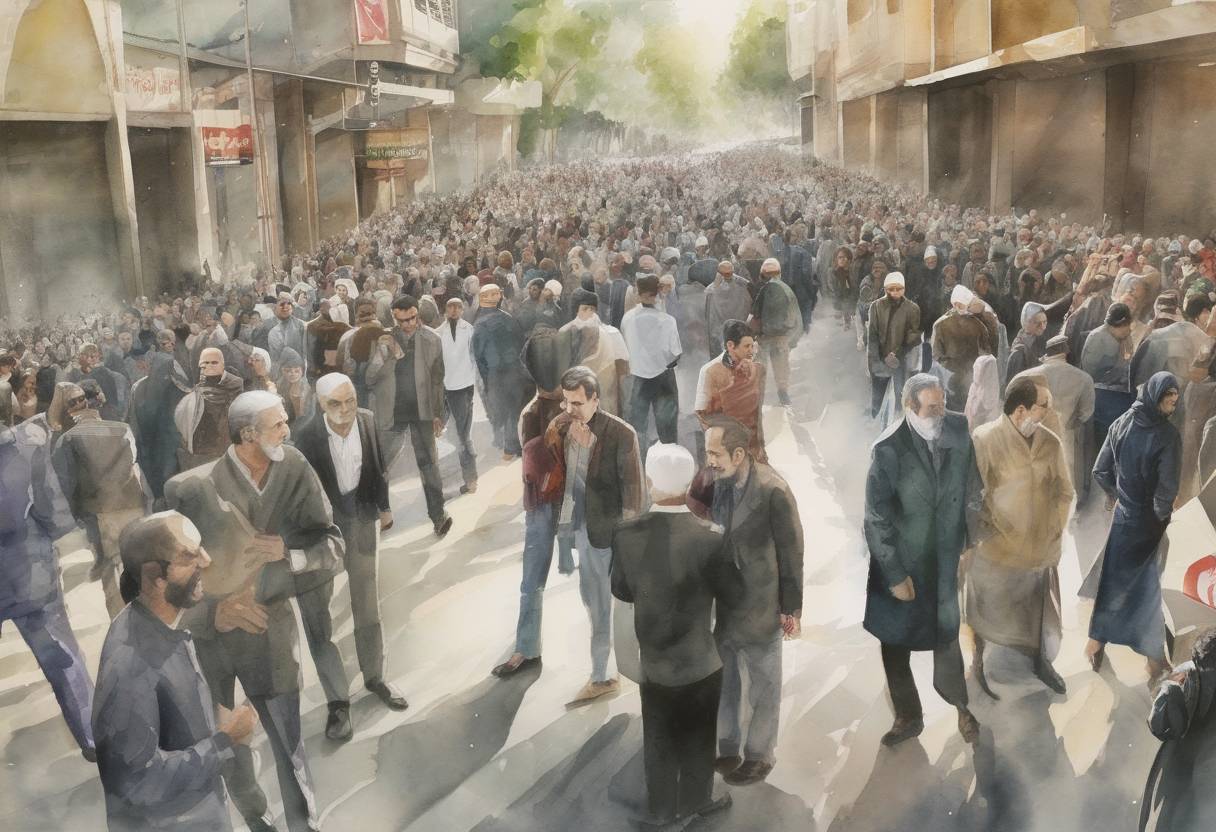
Iranian Presidential Election of June 12, 2009
The Iranian presidential election held on June 12, 2009, was a pivotal moment in Iran’s political history, marked by widespread protests and allegations of electoral fraud. This election saw incumbent President Mahmoud Ahmadinejad running for re-election against several challengers, most notably Mir-Hossein Mousavi, a reformist candidate who garnered significant support from those seeking change in Iran’s domestic and foreign policies.
Context Leading Up to the Election
Leading up to the 2009 election, Iran was experiencing significant political tension. Ahmadinejad’s first term was characterized by a hardline stance on both domestic and international issues, including a controversial nuclear program and strained relations with Western countries. His presidency faced criticism for economic mismanagement and human rights abuses. In contrast, Mousavi, a former Prime Minister, promised reforms, greater personal freedoms, and a more open approach to the West, appealing to younger voters and those disillusioned with Ahmadinejad’s policies.
Key Events on Election Day
On June 12, 2009, millions of Iranians went to the polls in what was expected to be a closely contested election. However, the official results, announced shortly after the polls closed, declared Ahmadinejad the winner with nearly 63% of the vote, while Mousavi received about 34%. The speed of the vote count and the wide margin of victory led to immediate skepticism and allegations of electoral fraud.
Aftermath and Protests
The announcement of the results sparked widespread protests across Iran, particularly in Tehran. These demonstrations, known as the Green Movement, were characterized by their scale and intensity, with millions of Iranians taking to the streets to demand a recount and express their dissatisfaction with the election process. Protesters wore green, the color of Mousavi’s campaign, as a symbol of their demand for change.
The Iranian government responded with a heavy-handed crackdown. Security forces, including the Basij militia, were deployed to disperse the protests, resulting in numerous arrests, injuries, and deaths. The government’s response drew international condemnation and highlighted the deep divisions within Iranian society.
Broader Historical Significance
The 2009 Iranian presidential election and the subsequent protests had significant implications for Iran and the broader Middle East. The Green Movement represented one of the largest challenges to the Iranian regime since the 1979 Islamic Revolution, showcasing the power of grassroots movements and the desire for reform among many Iranians.
Internationally, the events drew attention to issues of electoral integrity and human rights in Iran, influencing the country’s relations with other nations. The crackdown on protesters also highlighted the regime’s willingness to maintain power through force, impacting Iran’s domestic policies and its image abroad.
In the years following the election, the Green Movement’s influence persisted, contributing to ongoing debates about reform and the role of civil society in Iran. While the immediate protests were suppressed, the movement left a lasting legacy on the country’s political landscape.