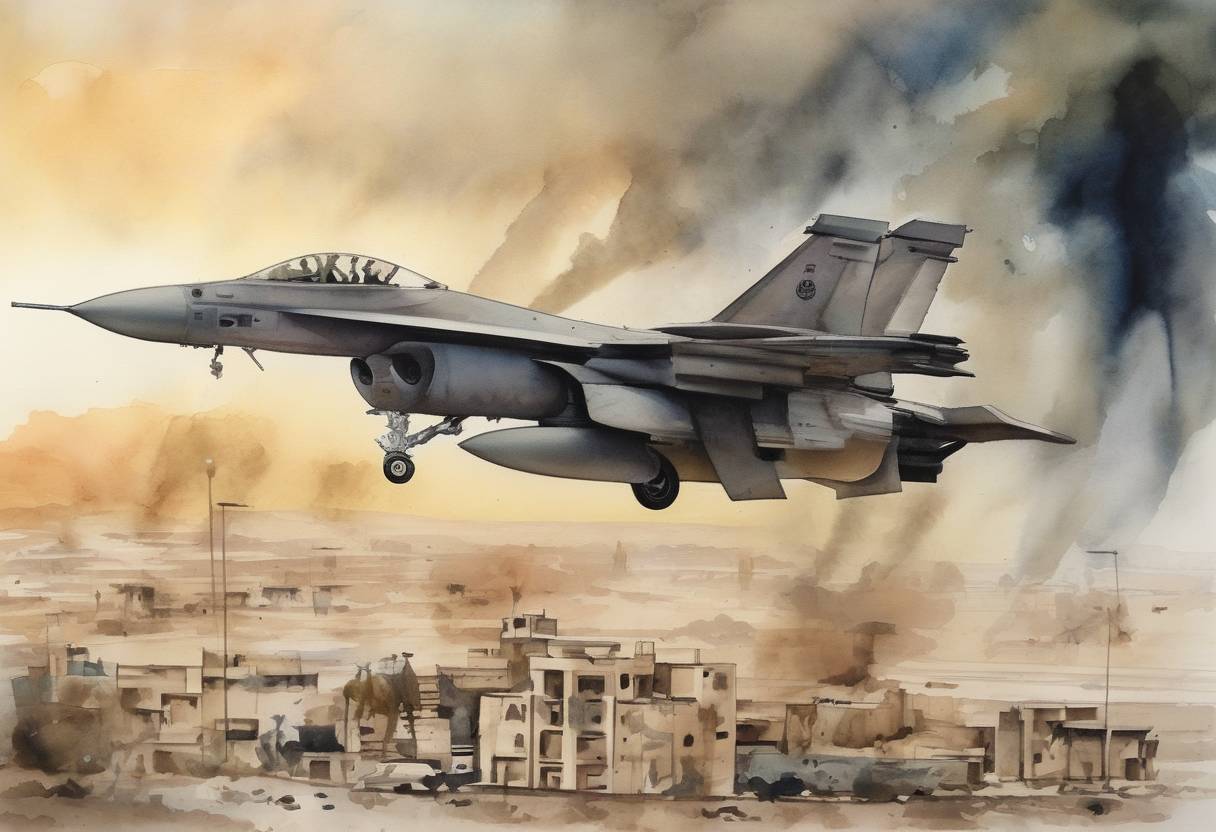
U.S. Airstrikes Against ISIS: September 15, 2014
On September 15, 2014, the United States launched its first airstrikes against ISIS (Islamic State of Iraq and Syria) targets in Iraq, marking a significant escalation in the U.S. military’s involvement in the region. This action was part of a broader campaign to degrade and ultimately destroy the capabilities of the Islamic State group, which had rapidly gained control over large swathes of territory in Iraq and Syria.
Context and Background
Rise of ISIS: The Islamic State, originally an offshoot of al-Qaeda, had gained notoriety for its brutal tactics and rapid territorial gains. By mid-2014, ISIS had captured key cities, including Mosul, Iraq’s second-largest city, and declared a caliphate under the leadership of Abu Bakr al-Baghdadi.
Humanitarian Crisis: The group’s advance led to a humanitarian crisis, with thousands of civilians displaced and minority groups, such as the Yazidis, facing severe persecution.
International Concern: The rise of ISIS posed a significant threat to regional stability and international security, prompting calls for action from the global community.
The U.S. Response
Authorization: President Barack Obama authorized the airstrikes as part of a strategy to support Iraqi and Kurdish forces on the ground. The goal was to weaken ISIS’s military capabilities and halt its advance.
Coalition Building: The U.S. sought to build a coalition of international partners to support the campaign against ISIS, emphasizing the need for a comprehensive approach that included military, diplomatic, and humanitarian efforts.
Key Events on September 15, 2014
Airstrikes Commence: The U.S. military conducted airstrikes targeting ISIS positions, including artillery units and convoys. These strikes were aimed at disrupting the group’s operations and providing support to local forces.
Strategic Objectives: The initial strikes focused on protecting critical infrastructure, such as the Mosul Dam, and preventing further ISIS advances.
Aftermath and Consequences
Broader Campaign: The airstrikes marked the beginning of Operation Inherent Resolve, a sustained military campaign involving airstrikes, intelligence sharing, and support for local forces.
Impact on ISIS: While the strikes initially slowed ISIS’s momentum, the group continued to pose a significant threat, necessitating ongoing military and diplomatic efforts.
Regional and Global Implications: The campaign against ISIS highlighted the complexities of Middle Eastern geopolitics and the challenges of combating non-state actors. It also underscored the importance of international cooperation in addressing global security threats.
Historical Significance
The U.S. airstrikes on September 15, 2014, were a pivotal moment in the fight against ISIS, setting the stage for a prolonged and multifaceted campaign. This military action underscored the international community’s commitment to countering extremist threats and highlighted the evolving nature of global conflict in the 21st century.